High-purity pretreatment
A second pass can provide a cleaner feed for downstream EDI where engineering confirms it.
Two-pass reverse osmosis systems for industrial water duties that require lower conductivity than a single-pass RO route or a cleaner feed for downstream polishing.
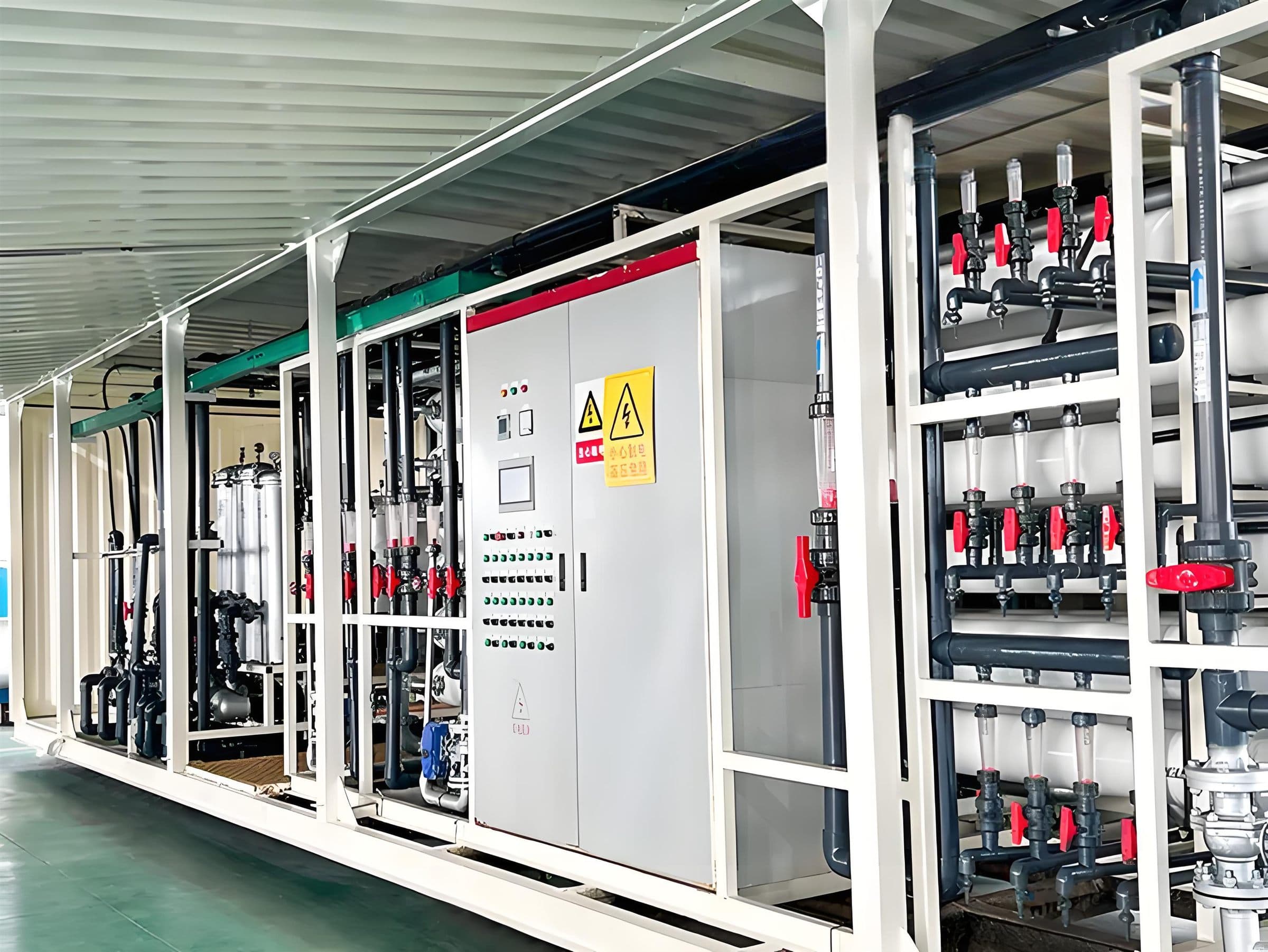
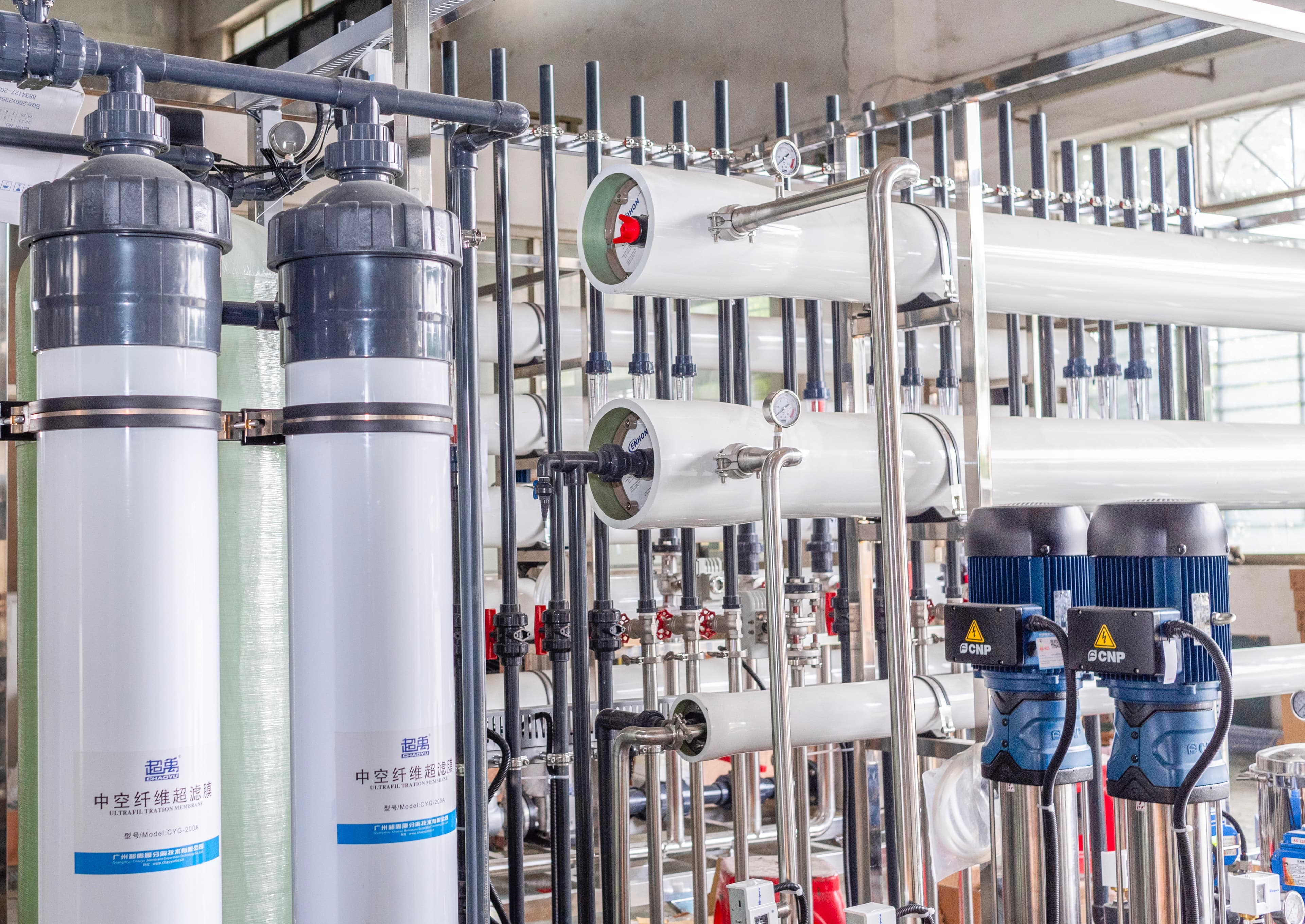
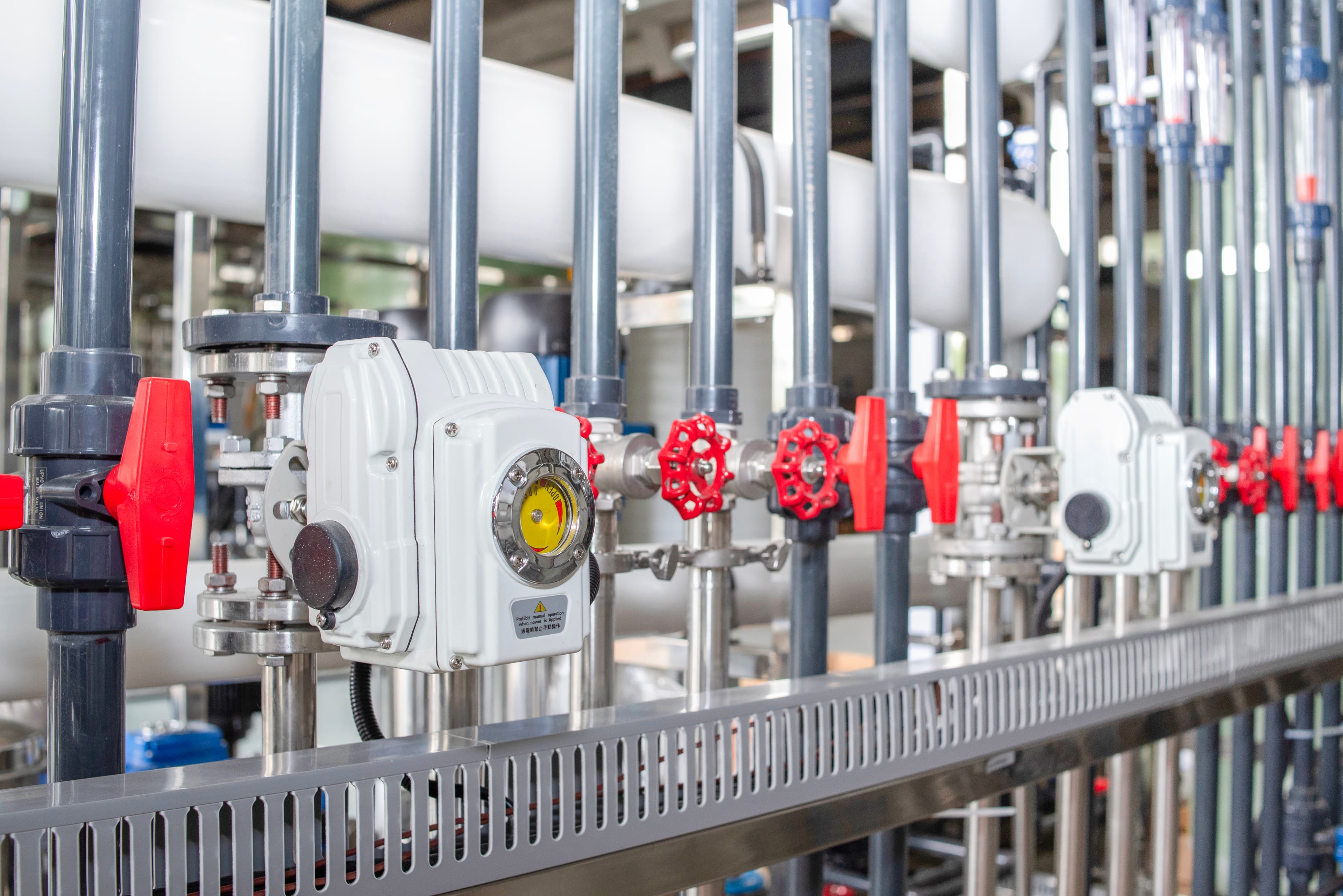
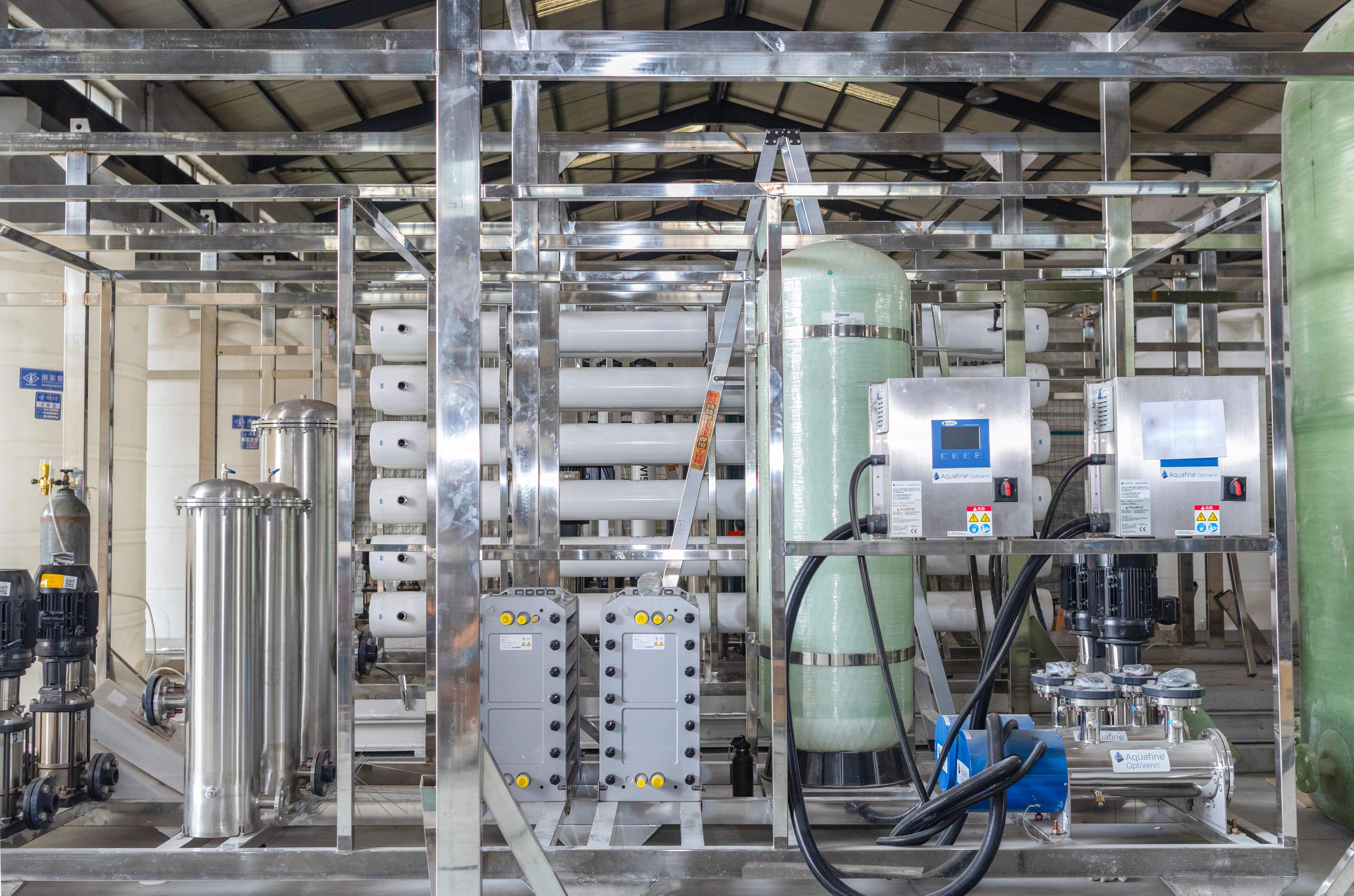
Two-pass reverse osmosis systems for industrial water duties that require lower conductivity than a single-pass RO route or a cleaner feed for downstream polishing.
A second pass can provide a cleaner feed for downstream EDI where engineering confirms it.
Treatment route is selected from the actual process-water requirement.
Lower-conductivity process-water duty configured around approved controls.
Water route and documentation scope are confirmed for the intended application.
Second-pass RO is considered only where the water-quality target justifies it.
A stable intermediate water quality can support selected downstream stages.
The treatment route is selected from the feed-water basis, required product-water quality, capacity and actual operating conditions.
Pretreatment, membrane stages, materials, automation, layout and delivery scope are coordinated into one project-specific engineering package. Final design values are confirmed in the approved technical proposal.
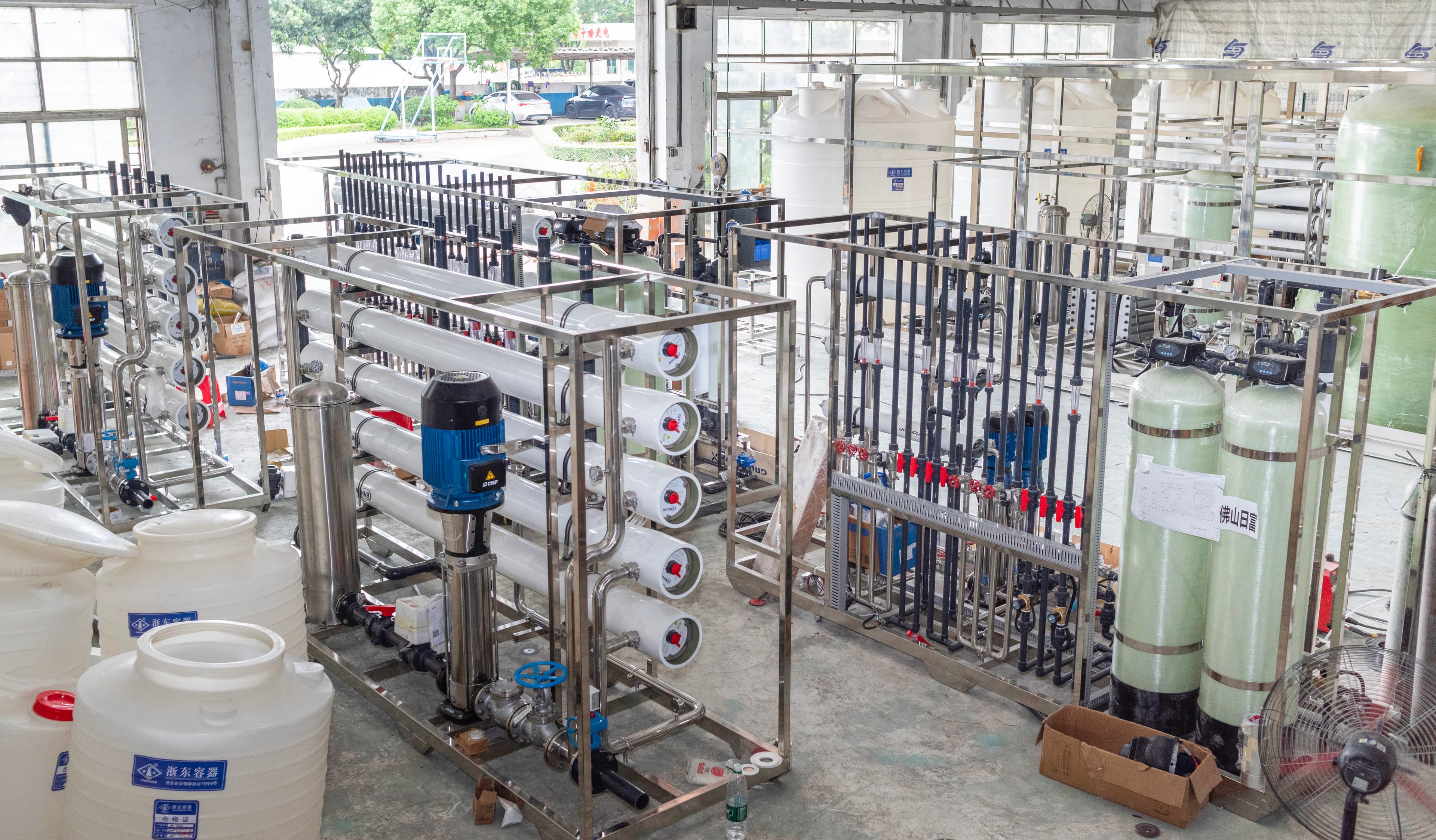
Current water analysis and the required product-water quality establish the practical treatment basis.
| Design Input | Required Information | Why It Matters |
|---|---|---|
| Feed water | Pretreated water | Defines first-pass pretreatment and membrane protection. |
| First-pass permeate | Confirmed during engineering | Sets the second-pass design basis. |
| Final water target | Confirmed by process requirement | Defines whether second-pass RO is appropriate. |
| Conductivity requirement | Project-specific | Guides stage selection and monitoring scope. |
| Capacity and peaks | Project-specific | Defines train size, storage and controls. |
| Downstream polishing | EDI or other stages if required | Selected only from the final duty. |
Each stage is selected to address a confirmed feed-water condition or product-water requirement; it is not a fixed equipment list.
Incoming water is assessed against the approved basis.
Selected to protect first-pass RO membranes.
Provides primary dissolved-salt reduction.
Applied only where needed for the approved route.
Further reduces dissolved ions for the confirmed target.
Storage, monitoring or downstream polishing follows the final use.
A second RO pass is not automatically a substitute for EDI. Each route has a different role in the final water-quality architecture.
Selected where one RO stage can meet the confirmed product-water requirement.
Adds a second membrane stage where the confirmed target needs further dissolved-ion reduction.
Uses EDI where continuous ion-removal polishing is required after correctly conditioned RO permeate. See the technical comparison guide for education-oriented detail.
Final technical values belong in the approved engineering proposal and follow the confirmed project basis.
| Parameter | Typical Option / Range | Engineering Note |
|---|---|---|
| Capacity | Project-specific | Sized from required flow, peaks and operating hours. |
| Feed water | Water analysis required | Defines pretreatment, membrane and material selection. |
| Product water | Confirmed by process requirement | Defines treatment stages and monitoring scope. |
| Process route | Project-specific | Selected from water chemistry and required quality. |
| Materials | Selected for water chemistry | Confirmed in the technical agreement. |
| Controls | PLC / HMI options | Configured around the agreed operating scope. |
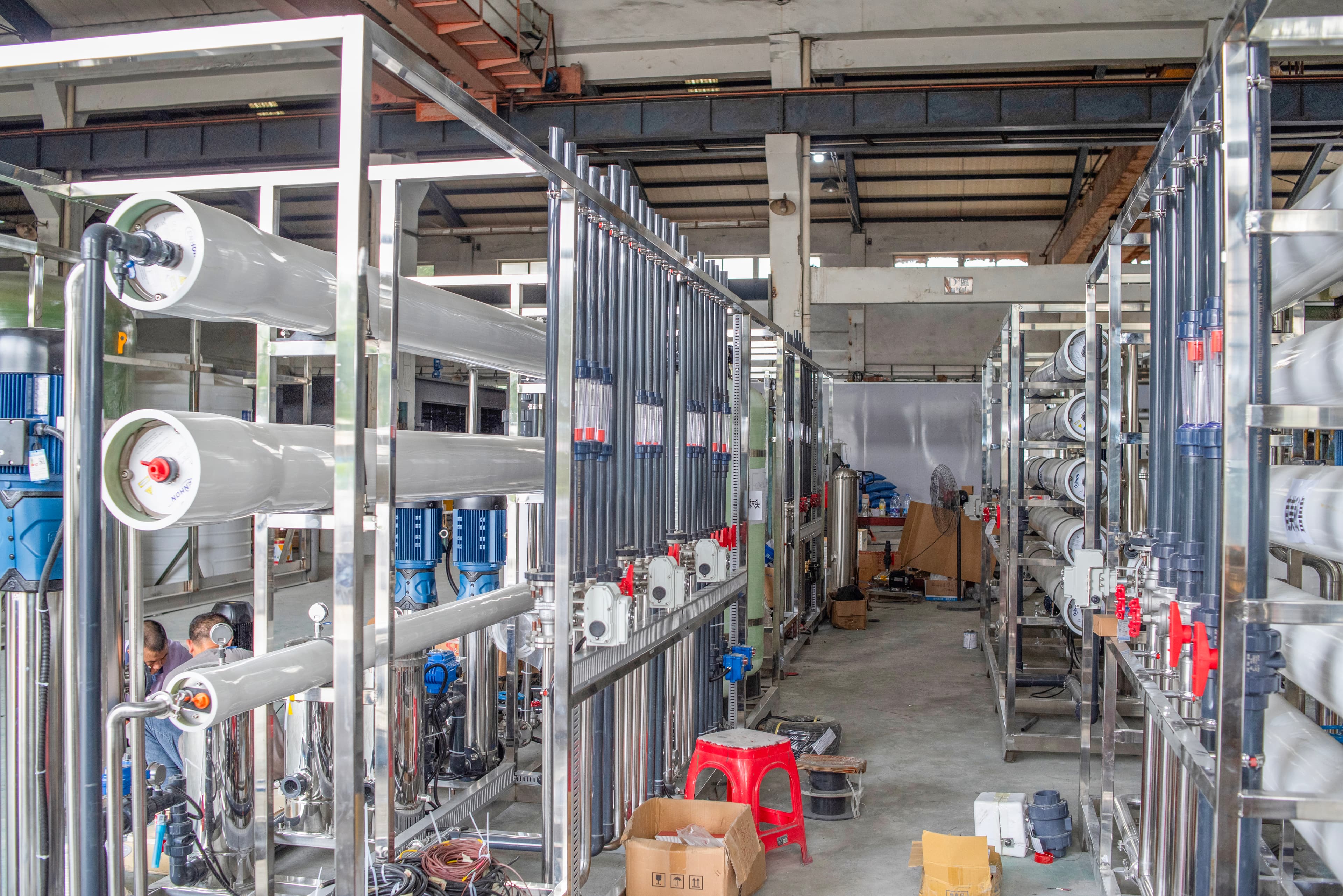
Component and brand selection can be discussed according to the approved project requirements.
Control architecture, instrumentation, electrical standard and reporting requirements are configured around the approved project duty.
Optional equipment is selected from the treatment risk, site conditions, delivery format and agreed technical scope.
Multimedia filtration
Activated carbon
Water softener
UF pretreatment
Chemical dosing
Interstage conditioning
CIP connections
Conductivity monitoring
Product-water tank
EDI interface option
PLC / HMI
Remote monitoring
Material selection
Documentation scope
Containerized layout review
Interfaces, layout, utilities, access and local requirements should be reviewed before fabrication and shipment.
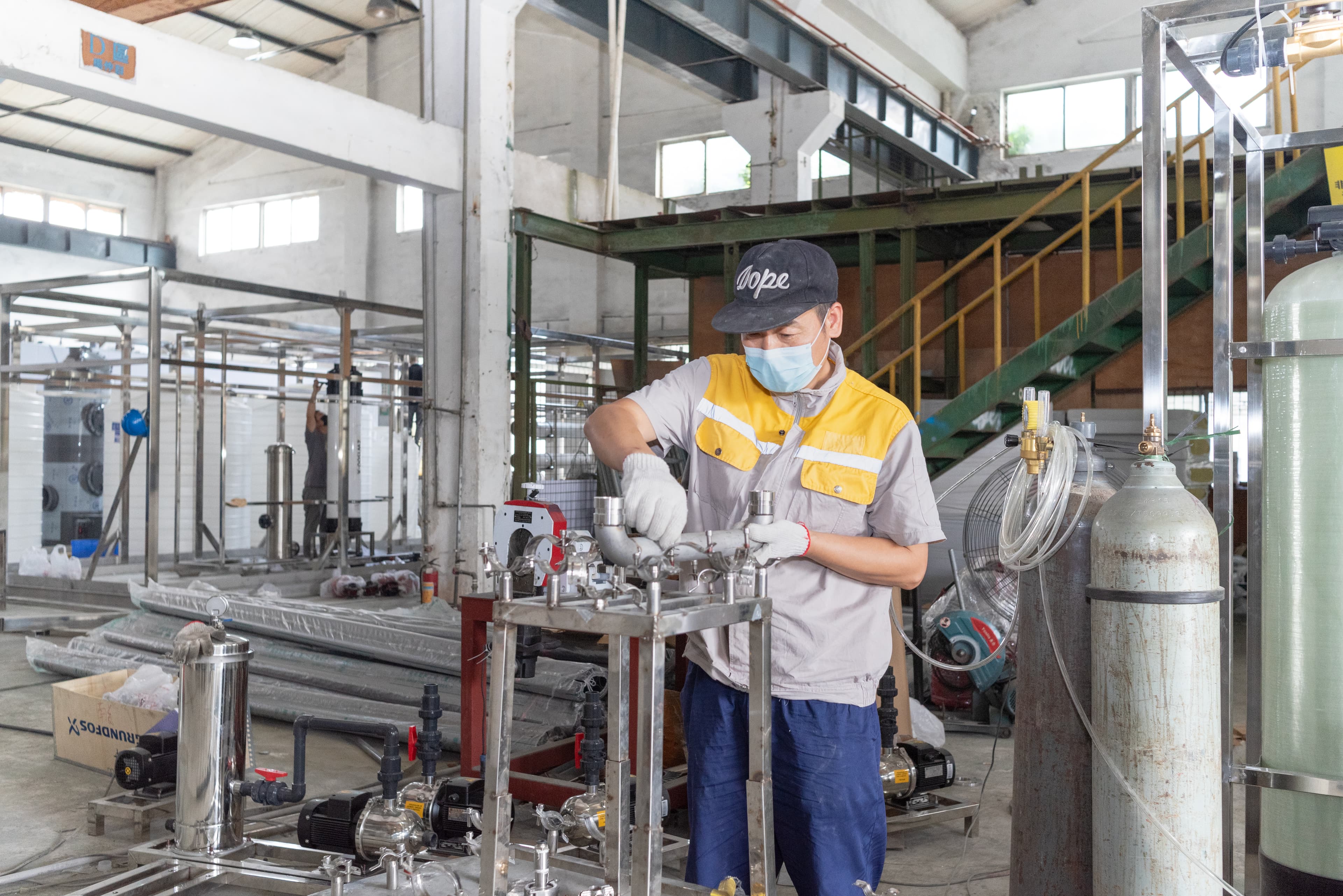
Assembly, inspection and functional review are planned against the approved technical agreement and agreed project scope.
Final FAT scope and acceptance criteria are confirmed in the approved technical agreement.
A project quotation follows the agreed treatment, control, materials, documentation and delivery scope rather than a generic equipment price.
Direct answers for engineering, procurement and project-planning discussions.
A double pass RO system uses a first RO stage for primary desalination and a second RO stage to further reduce dissolved ions where the approved product-water target requires it.
It is considered where a single-pass RO route does not provide the required quality margin or where a cleaner feed is needed for downstream polishing. The decision follows the confirmed water target and feed-water basis.
No. Double-pass RO adds a second membrane stage. RO + EDI uses continuous electrodeionization polishing for correctly conditioned RO permeate. The required final duty determines the route.
Yes, an EDI interface can be reviewed when the final water-quality requirement and suitable RO permeate support that route.
The product page supports project selection. Our industrial RO versus double-pass RO versus RO + EDI technical guide provides the complementary educational comparison.
| System | Single-Pass RO | Double-Pass RO | RO + EDI |
|---|---|---|---|
| Best for | General process-water duty | Lower conductivity / cleaner RO permeate | Continuous high-purity polishing |
| Typical route | Pretreatment → RO | Pretreatment → RO → RO | Pretreatment → RO → EDI |
| Primary mechanism | One membrane stage | Two membrane stages | RO desalination plus EDI polishing |
| Selection driver | Confirmed process-water target | Lower-conductivity requirement | High-purity water requirement |
Reverse OsmosisIndustrial RO systems engineered around feed-water analysis, capacity and product-water duty.
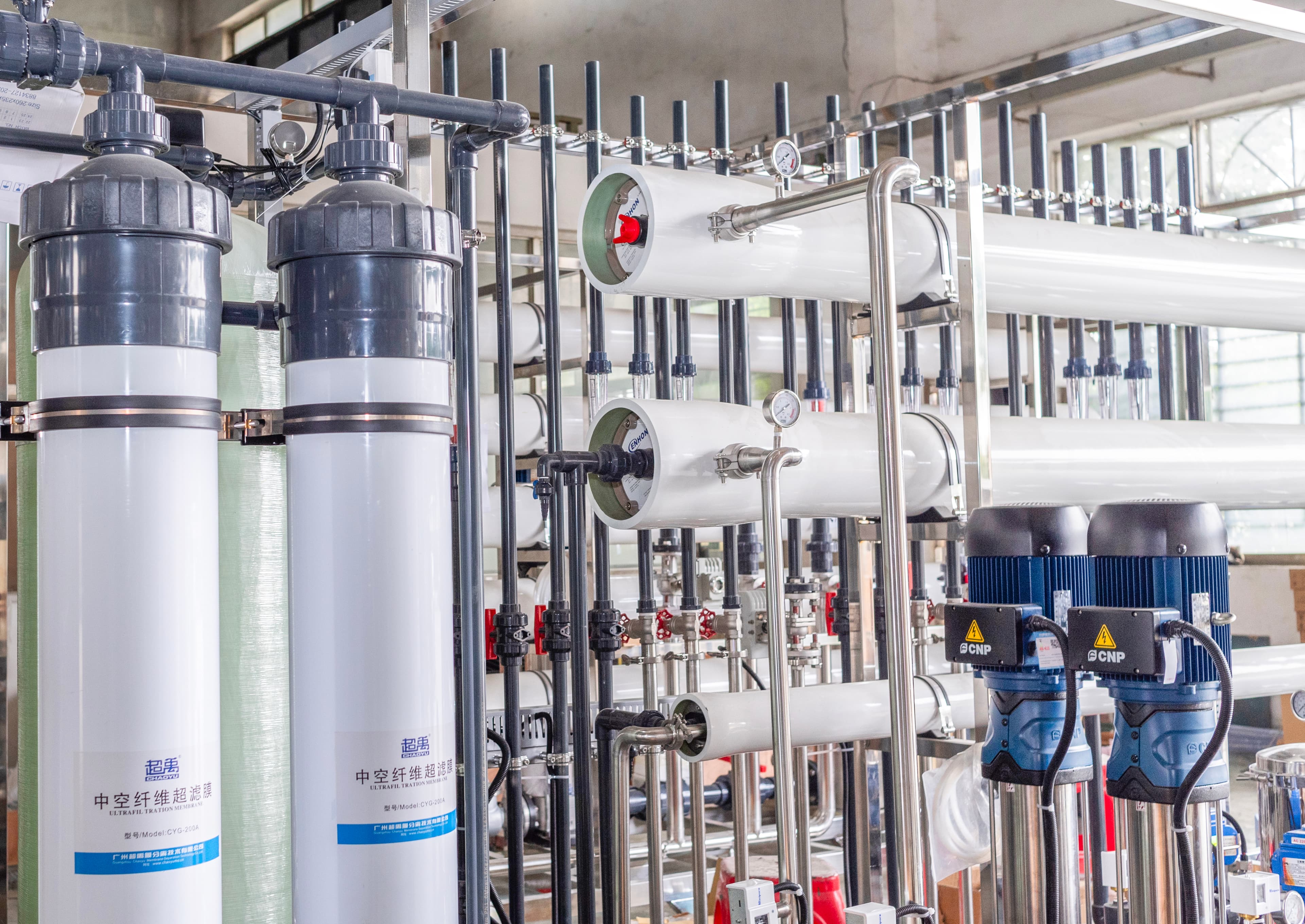 RO + EDI
RO primary desalination with continuous EDI polishing for confirmed high-purity water duties.
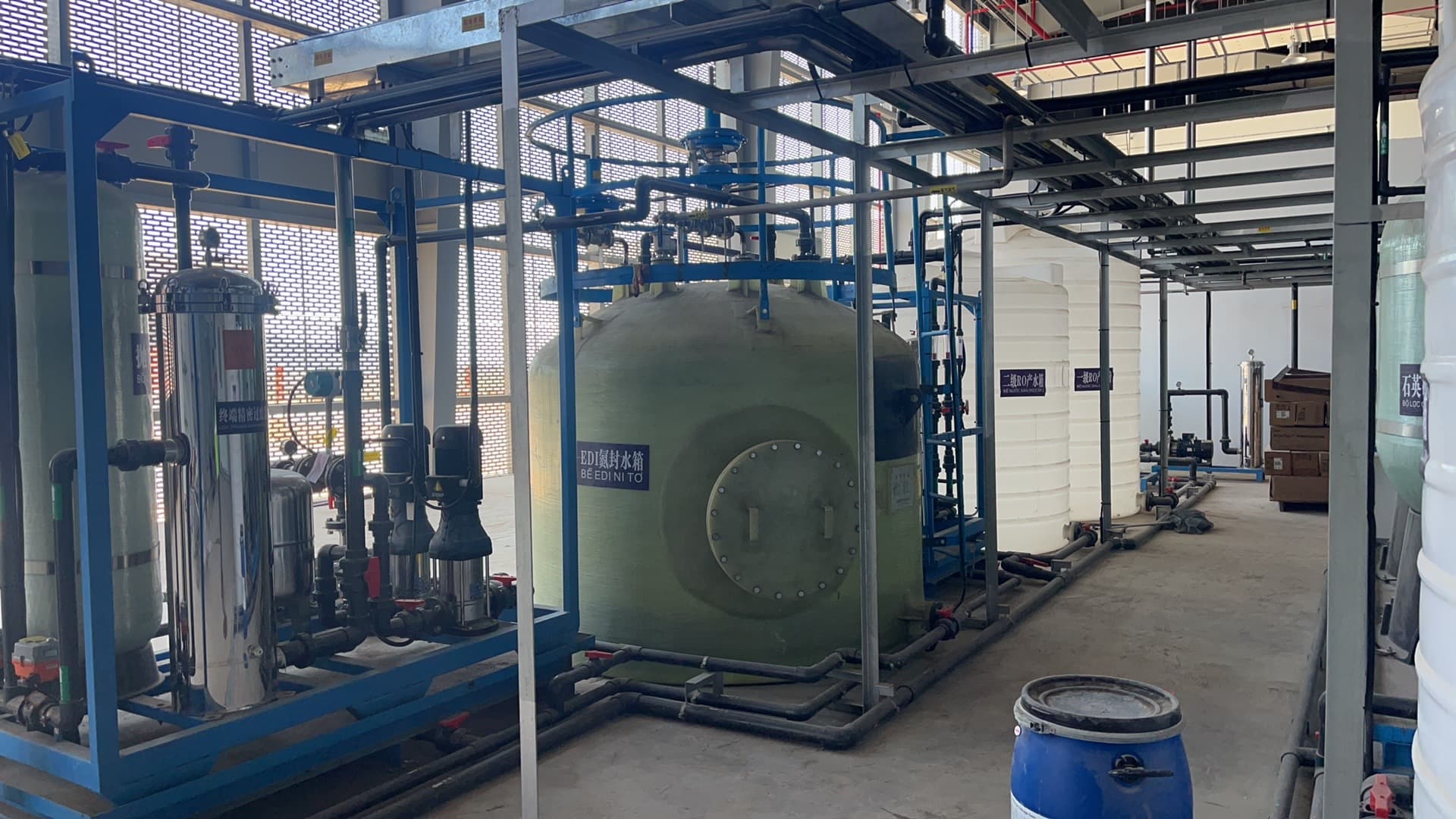 Electrodeionization
Continuous electrodeionization polishing for correctly conditioned RO permeate.
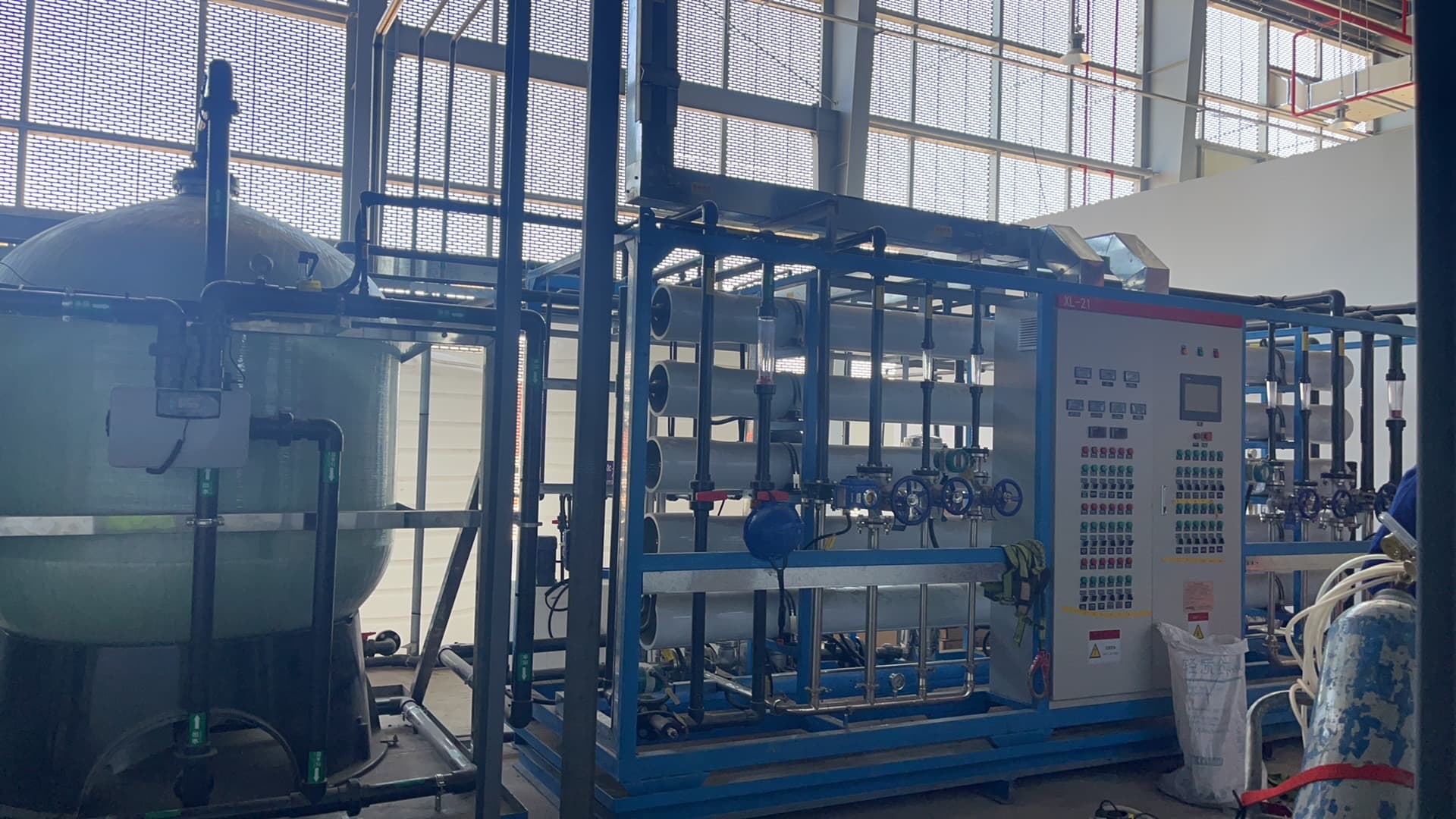 Ultrapure Water
RO, EDI and selected polishing stages for critical industrial water-quality requirements.
Share feed-water analysis, required capacity, target product-water quality and whether downstream polishing is required. Our engineering team will review the suitable RO route.