Semiconductor & electronics
High-purity water quality is reviewed against the actual process controls and point of use.
High-purity treatment routes engineered from confirmed application controls, water analysis and the quality required at the final point of use.
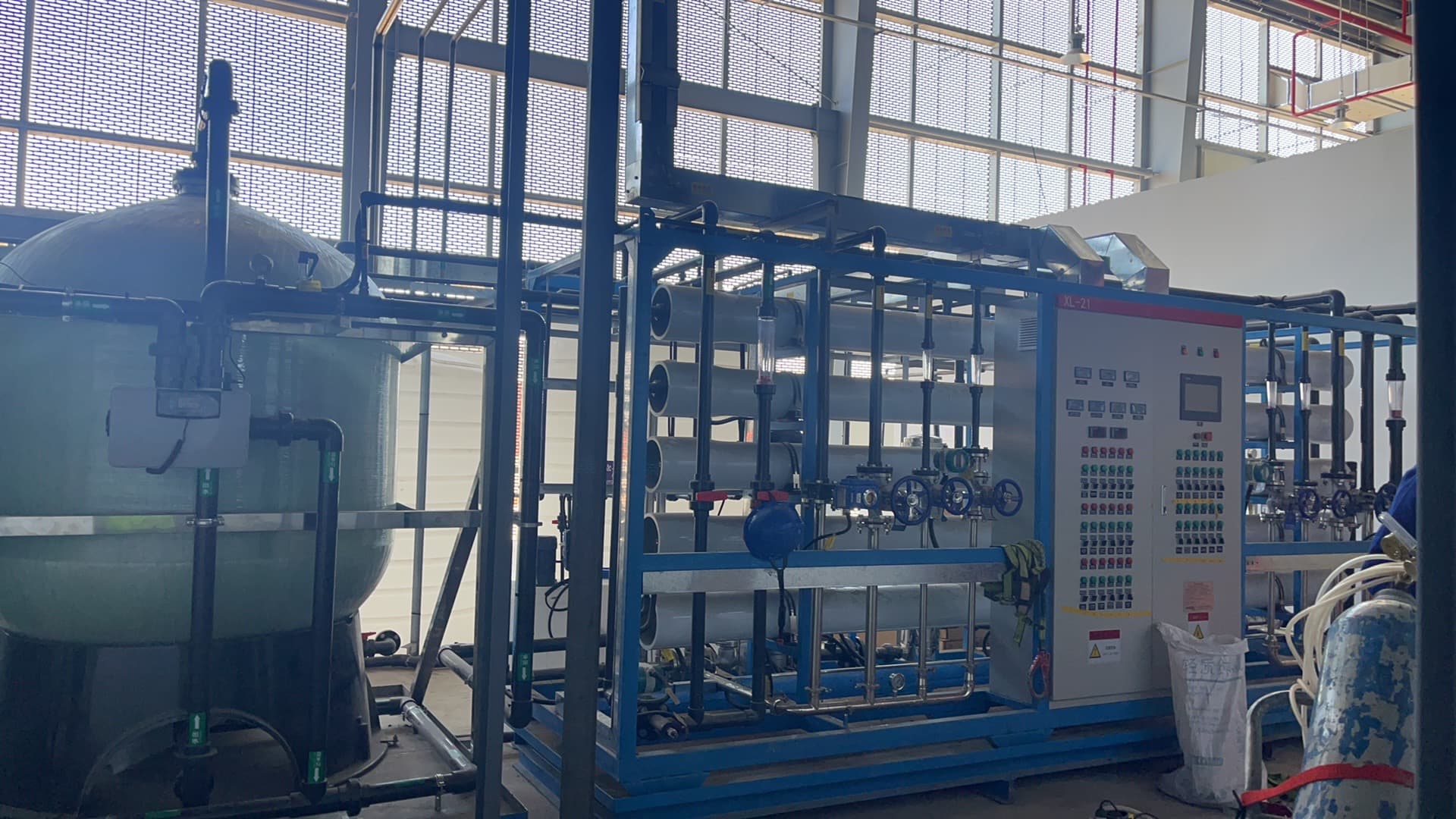
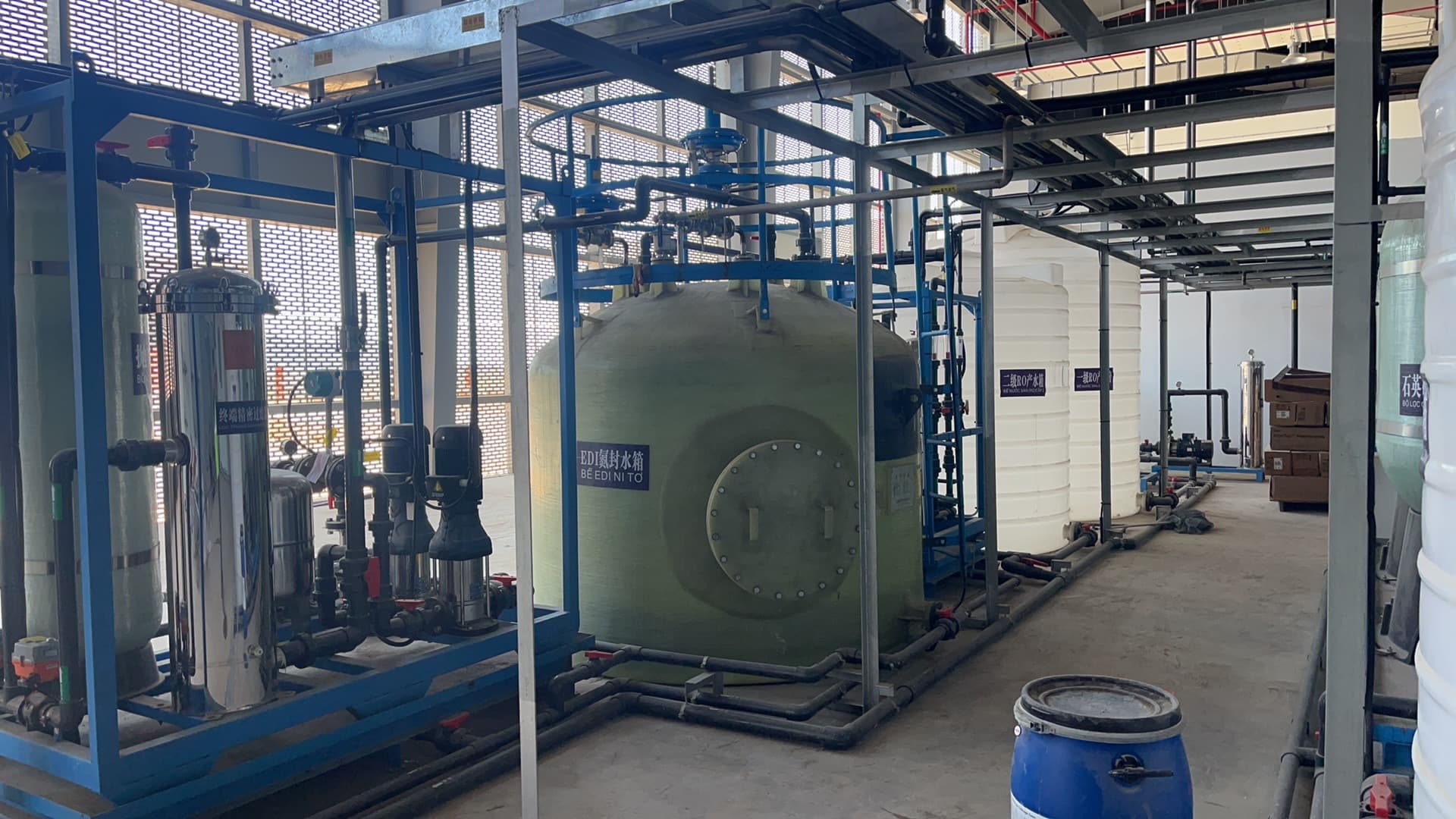
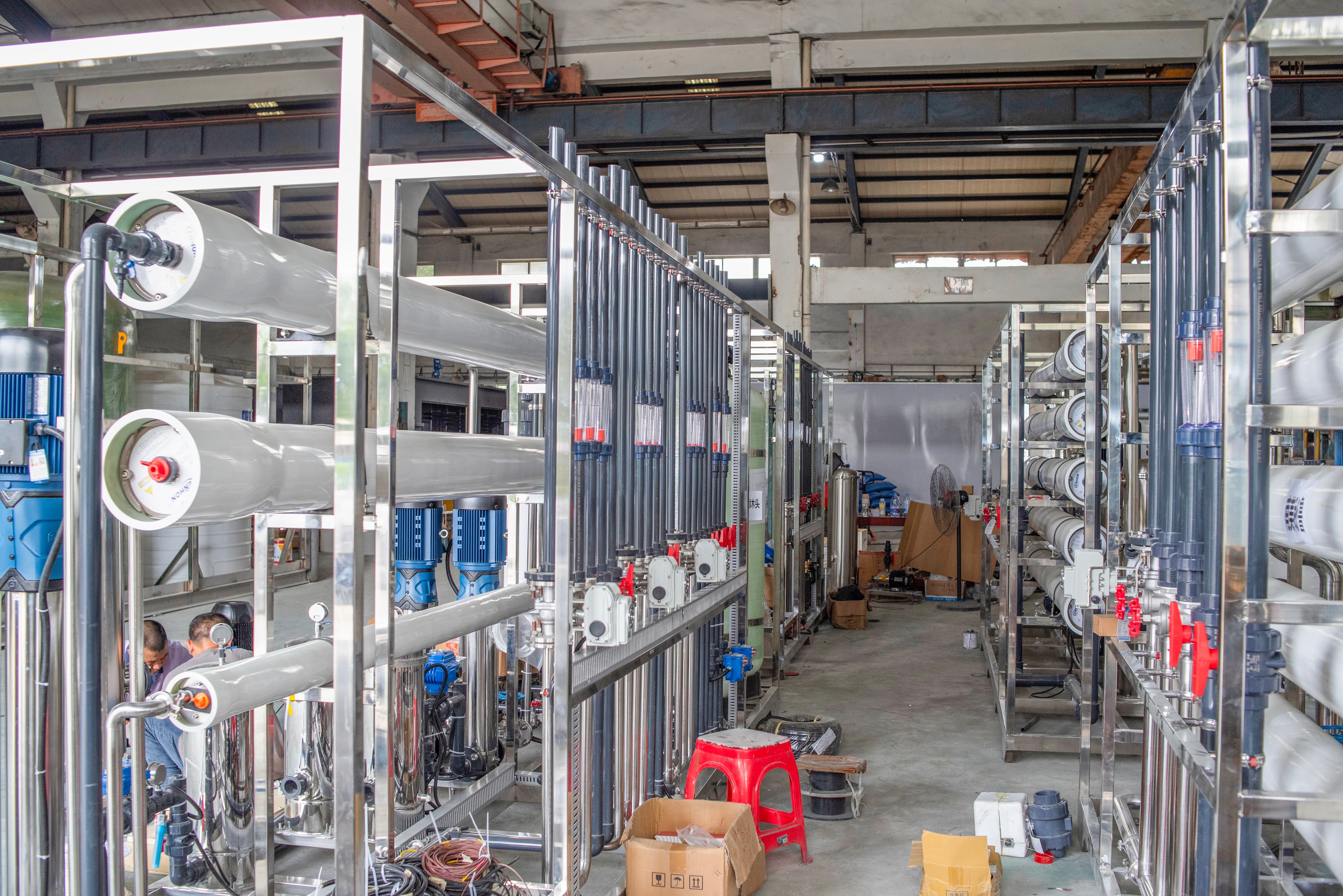
High-purity treatment routes engineered from confirmed application controls, water analysis and the quality required at the final point of use.
High-purity water quality is reviewed against the actual process controls and point of use.
Treatment and distribution are configured to support defined process-water requirements.
Water quality stages are selected for the confirmed analytical or utility duty.
High-purity process water routes are engineered around specified production conditions.
RO, EDI and polishing stages are reviewed against the required production-water quality.
Project scope can include monitoring, materials and documentation considerations.
Ultrapure water is an application-specific treatment route, not a fixed equipment list.
RO, second-pass RO, EDI, UV, polishing, ultrafiltration and distribution controls are chosen only where they support the confirmed process requirement. Where applicable, systems can be designed for resistivity up to 18.2 MΩ·cm depending on process configuration and application requirements.
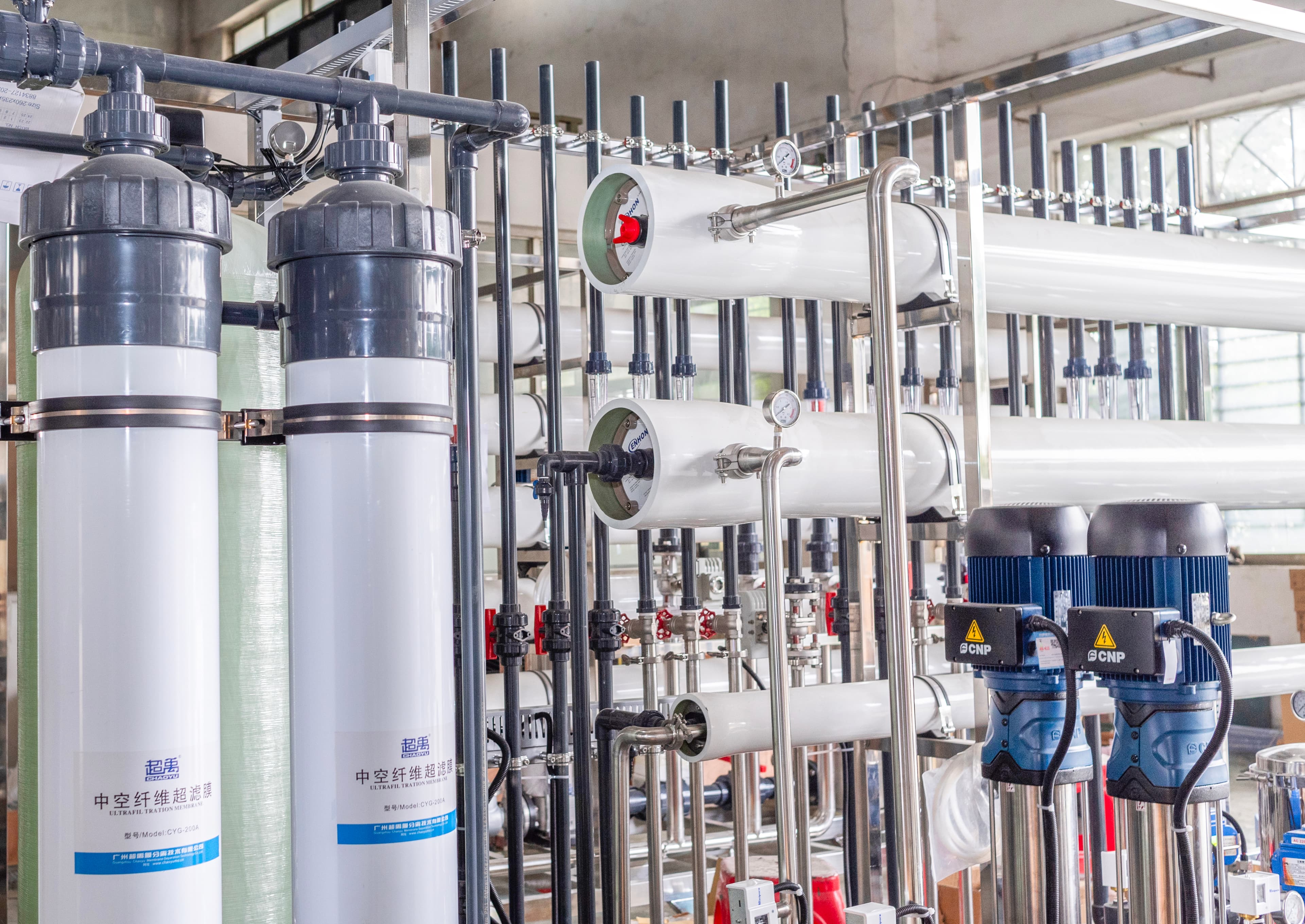
Critical water applications require both a feed-water basis and a clear definition of the quality controls at the final point of use.
| Design Input | Required Information | Why It Matters |
|---|---|---|
| RO permeate quality | Confirmed during engineering | Sets the basis for downstream polishing. |
| Conductivity / resistivity | Application-specific | Defines ion-removal and quality-monitoring requirements. |
| TOC | Confirmed if applicable | May guide UV or oxidation-stage selection. |
| Particles / microbiology | Confirmed if applicable | May guide final filtration, UF or sanitization strategy. |
| Silica | Water analysis required | Can influence polishing-stage selection and monitoring. |
| Point-of-use requirement | Confirmed by process owner | Determines distribution, recirculation and final control philosophy. |
Not every project needs every stage. The final route follows the confirmed application requirement.
Conditions feed water for reliable membrane performance.
Primary desalination stage.
Further reduces dissolved ions where required.
Continuous deionization polishing for suitable RO permeate.
Selected for application-specific organic or ionic controls.
Selected where particle or microbiological control is required.
Delivers monitored water to confirmed use points.
Each stage should solve a confirmed quality risk. The goal is a practical, controlled route—not an automatically maximal equipment list.
RO establishes the primary desalination foundation for the downstream treatment train.
EDI is added where correctly conditioned RO permeate needs continuous ion-removal polishing.
UV, polishing and final filtration are selected only against the actual purity controls required by the application.
Technical performance is application-specific. Final values are confirmed in the approved engineering design.
| Parameter | Typical Option / Range | Engineering Note |
|---|---|---|
| Capacity | Project-specific | Sized from process demand and operating profile. |
| Treatment route | RO / second-pass RO / EDI / polishing | Stages are selected from quality risks and use point. |
| Resistivity | Up to 18.2 MΩ·cm where applicable | Depends on process configuration and application requirements. |
| Conductivity / TOC | Application-specific monitoring | Confirmed from the use-point requirement. |
| Final filtration | UF / final filter as required | Selected where particle or microbiological controls apply. |
| Distribution | Recirculation options | Configured for confirmed use points and operating controls. |
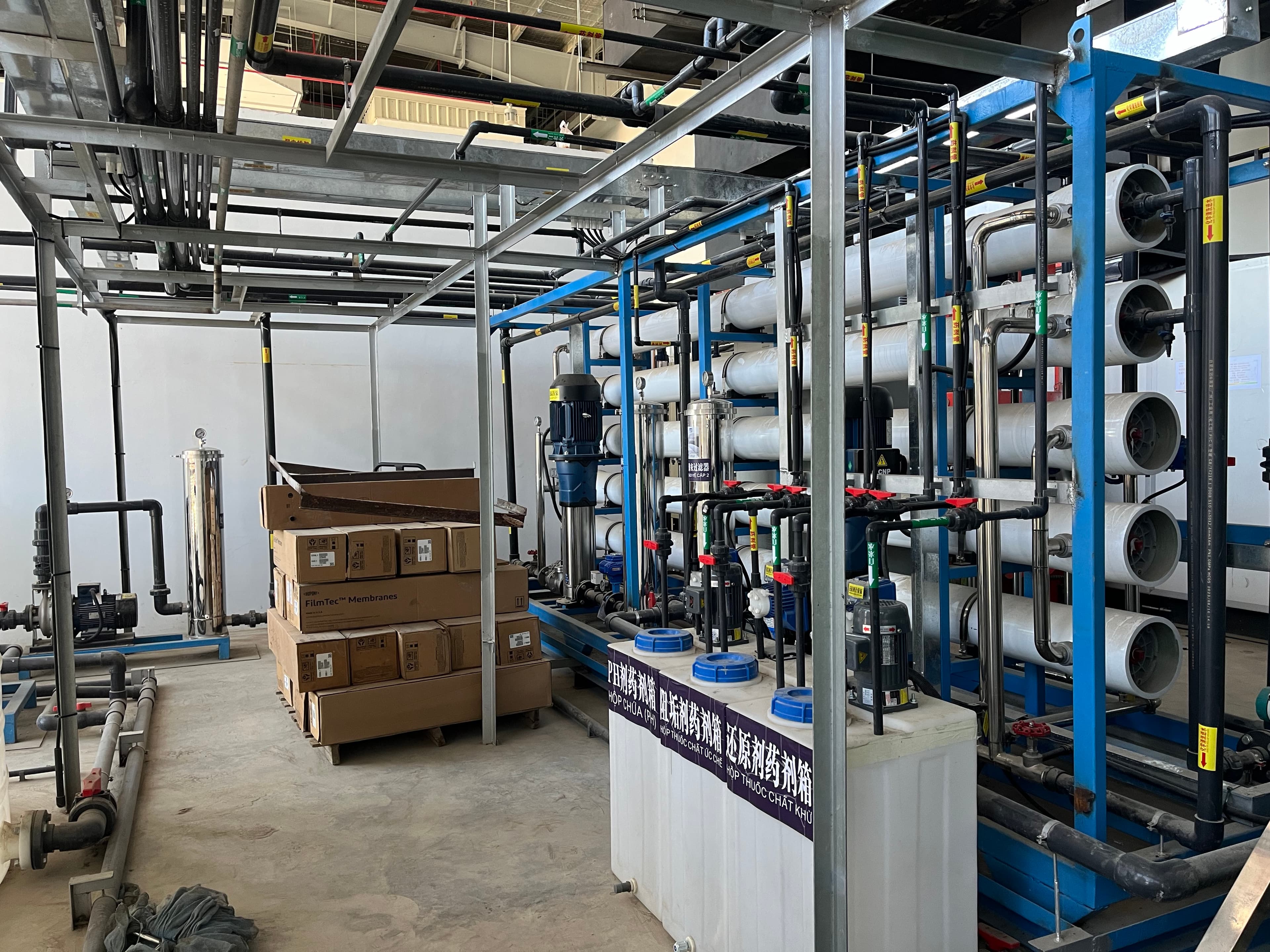
Component and brand selection can be discussed according to the approved project requirements.
Control, monitoring and diversion logic are configured around the quality controls agreed for the application.
Optional stages are selected from the confirmed quality requirement rather than supplied as a standard stack.
Second-pass RO
Membrane degasser
EDI redundancy
DC power supply
Quality diversion
UV
Polishing resin
UF
Final filtration
Distribution loop
CIP
Remote monitoring
Sanitary materials
Documentation scope
Container enclosure
Critical-water projects benefit from early review of utility interfaces, distribution design, access and quality-monitoring points.
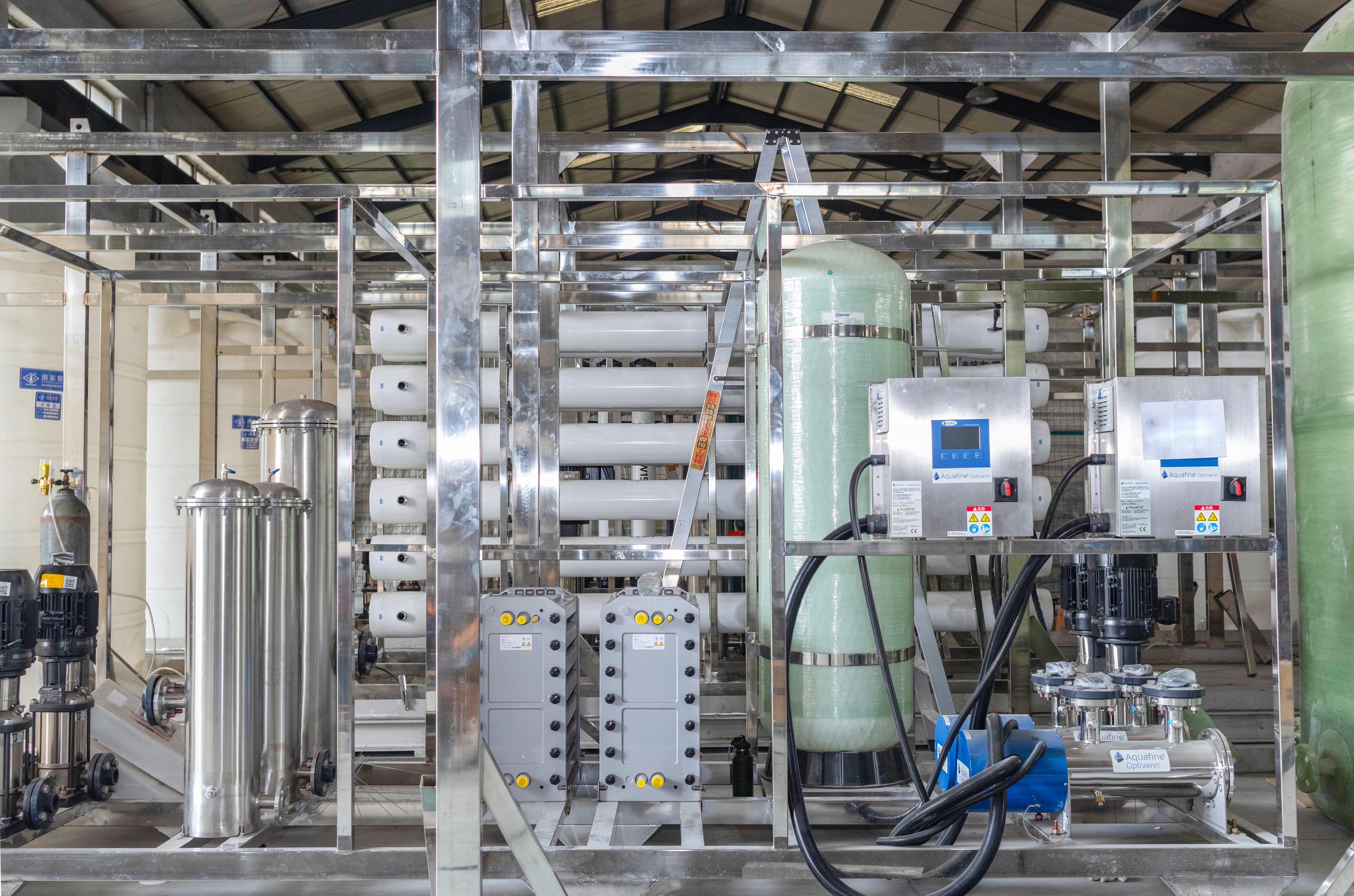
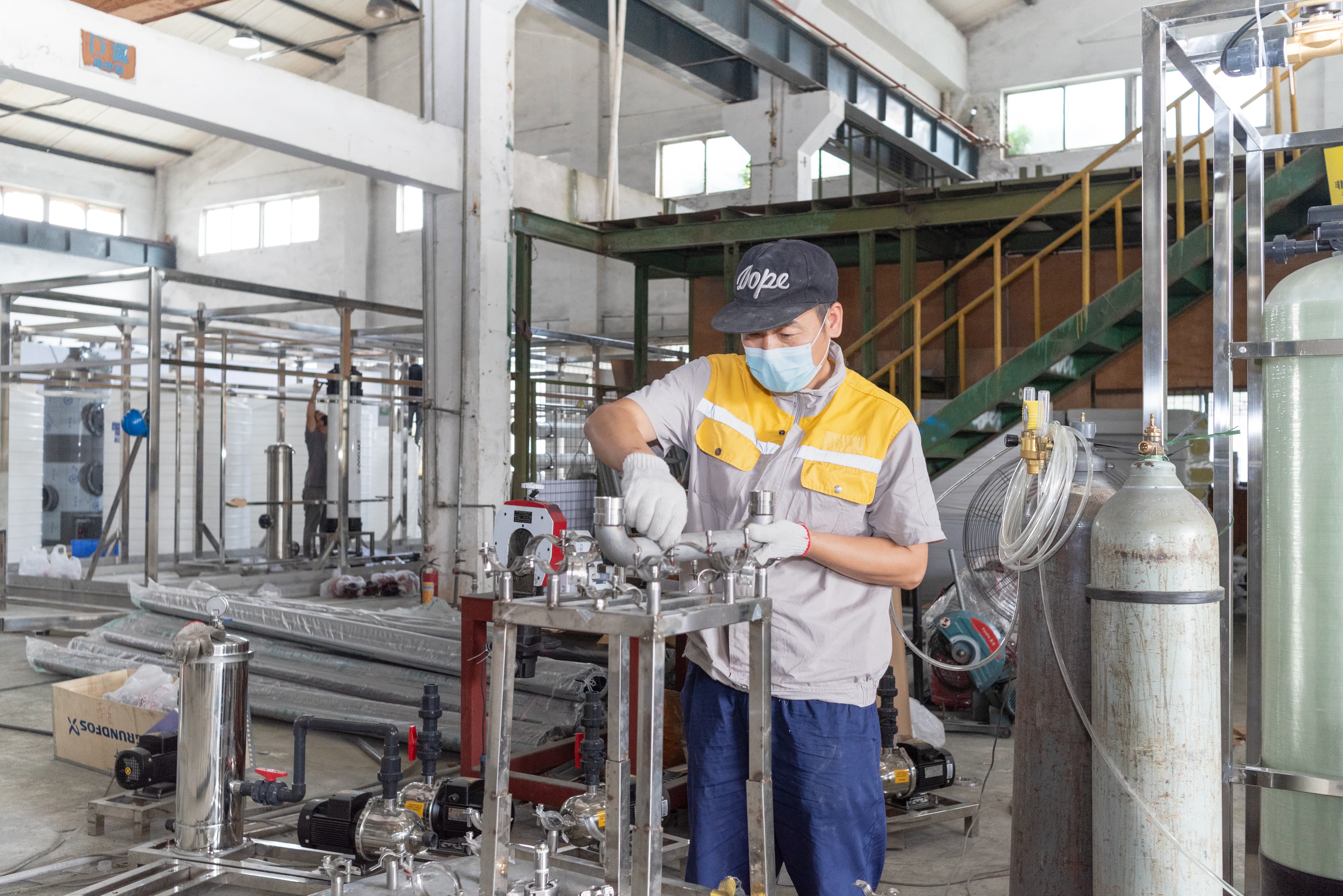
Assembly, inspection and functional review are planned against the approved technical agreement and agreed project scope.
Final FAT scope and acceptance criteria are confirmed in the approved technical agreement.
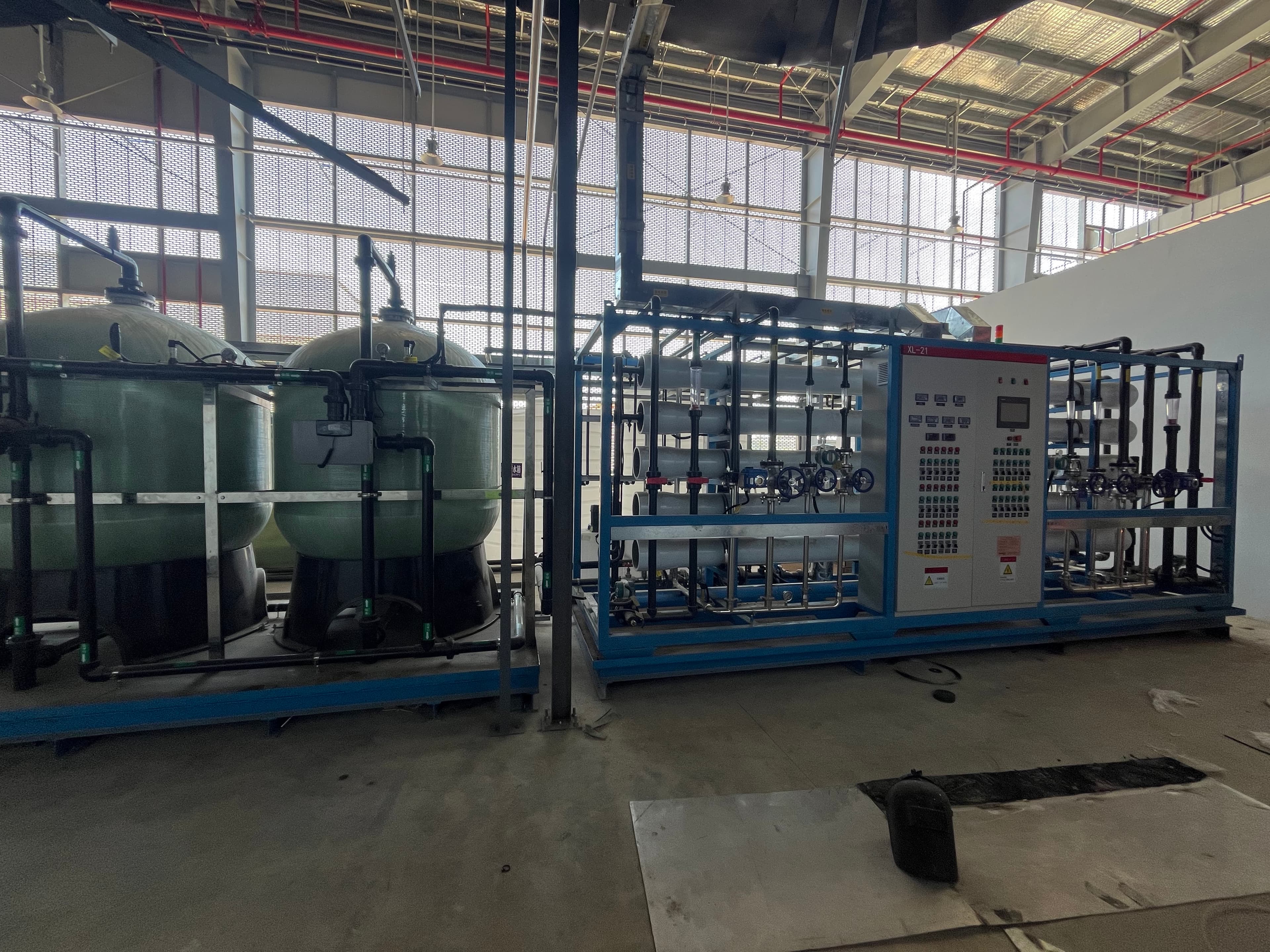
A modular treatment system configured for an overseas battery manufacturing project, with commissioning coordination and operator support in scope.
Cost follows the quality controls, treatment stages, monitoring scope and distribution requirements agreed for the project.
Direct answers for engineering, procurement and project-planning discussions.
No. RO, second-pass RO, EDI, UV, polishing and UF are selected only where the confirmed application requirement justifies them.
Systems may be designed for up to 18.2 MΩ·cm depending on process configuration and application requirements. The applicable target should be confirmed for the project.
Conductivity or resistivity, TOC, particles, microbiology, silica and point-of-use controls should be confirmed where relevant to the application.
No. EDI is a polishing stage for correctly conditioned RO permeate; it is not a substitute for appropriate upstream treatment.
UV, polishing resin, final filtration and UF are selected only when the application specification and distribution risk require those additional controls.
Yes. Storage, recirculation, distribution, monitoring and point-of-use interfaces can be considered in the engineering scope.
| System | Pure water | RO + EDI | Ultrapure water |
|---|---|---|---|
| Best for | Stable production utilities | Continuous high-purity water | Critical purity applications |
| Typical route | RO / double-pass RO | RO → EDI | RO → EDI → polishing stages |
| Quality basis | Confirmed process duty | Lower conductivity with EDI | Application-specific critical controls |
| When to use | When practical utility quality is needed | When EDI polishing is needed | When multiple critical purity controls are needed |
Pure WaterIntegrated treatment for stable industrial process water and production utilities.
RO + EDIRO primary desalination with continuous EDI polishing for confirmed high-purity water duties.
ElectrodeionizationContinuous electrodeionization polishing for correctly conditioned RO permeate.
Share your feed-water analysis, required capacity, target water-quality controls and application. Our engineering team will review a practical treatment route.