Remote industrial sites
Factory-assembled RO packages for projects with controlled logistics and site interfaces.
Pre-assembled containerized RO systems for industrial and remote projects, configured around feed-water analysis, site interfaces, transportation constraints and the approved operating duty.
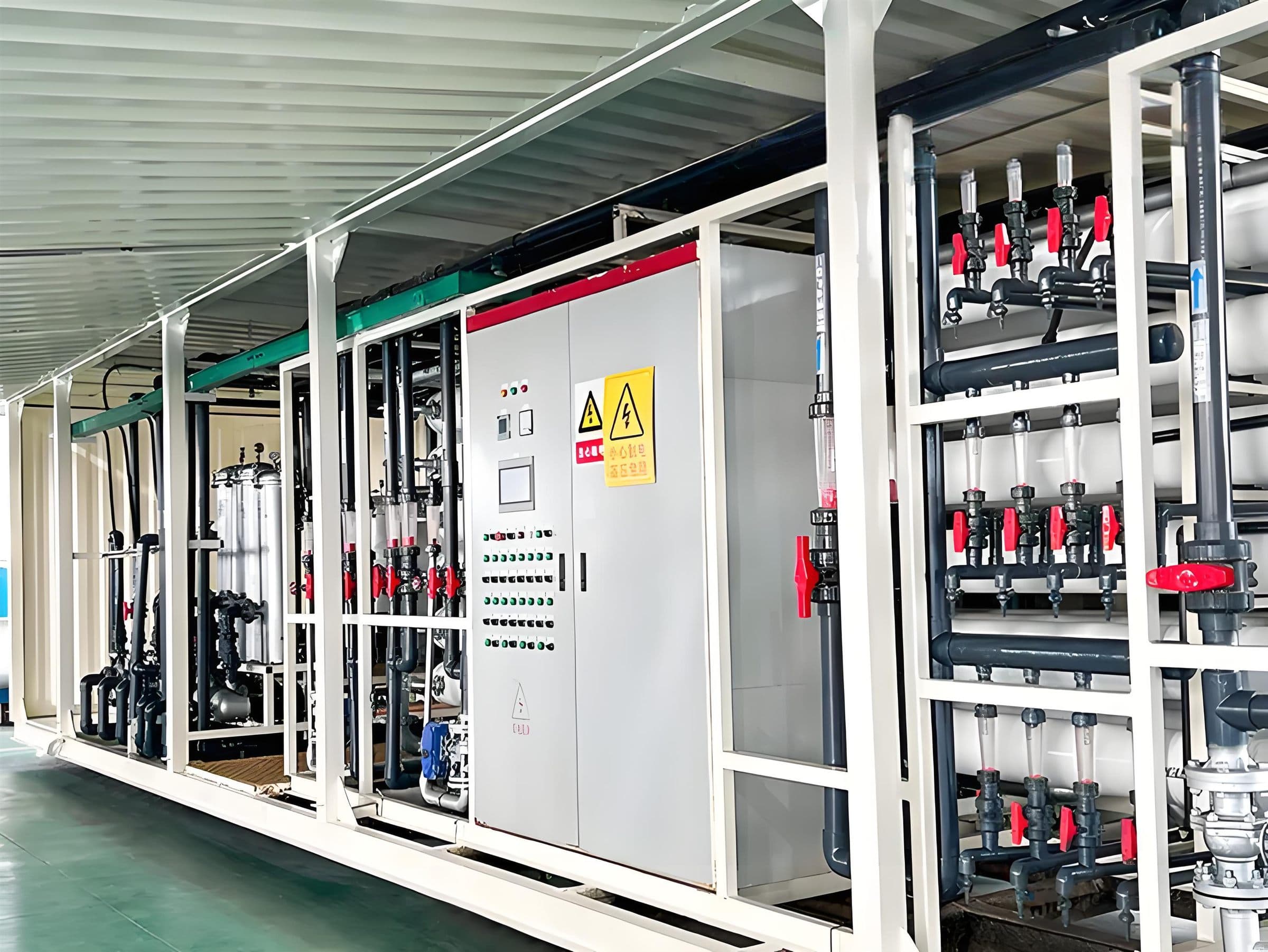
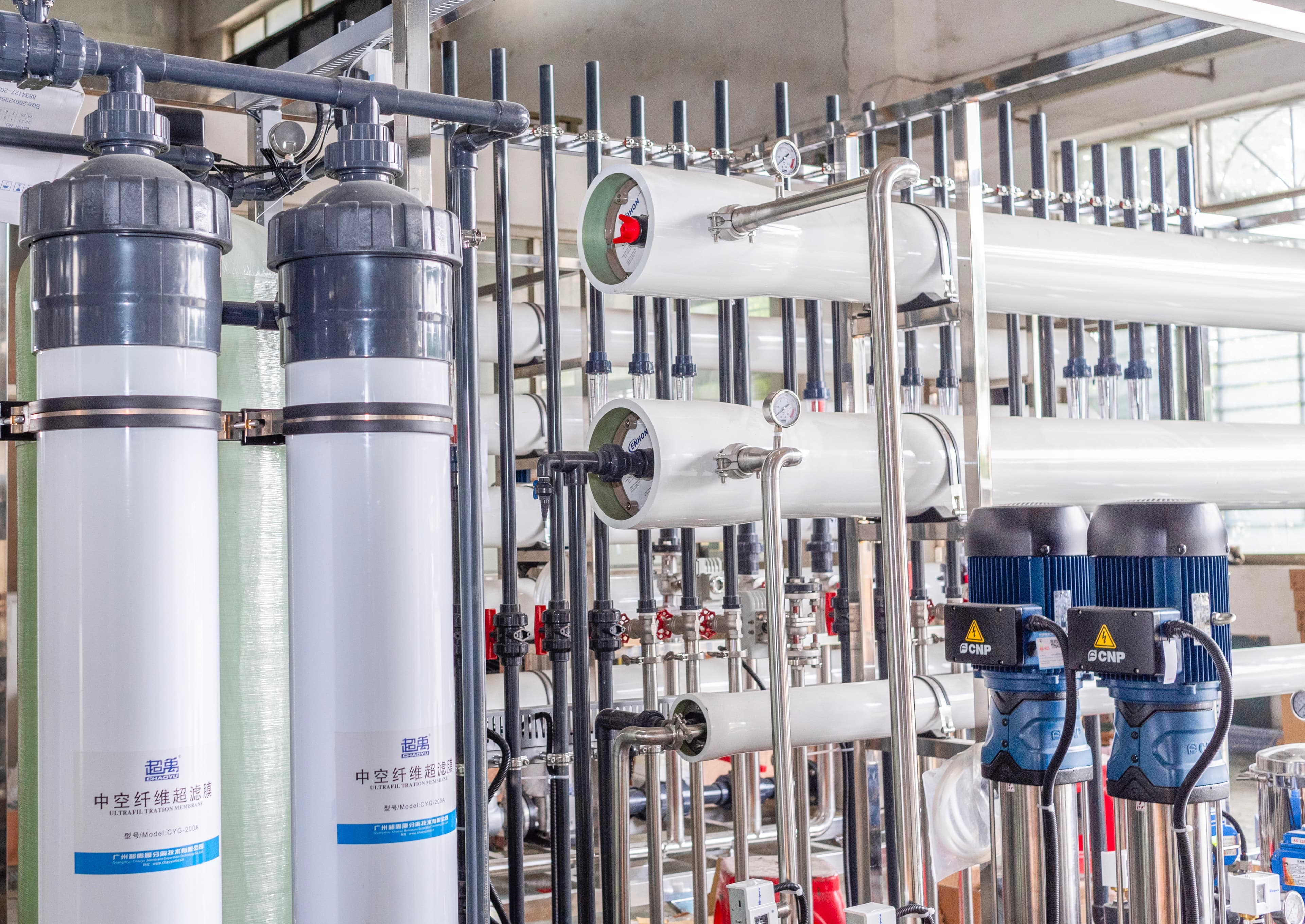
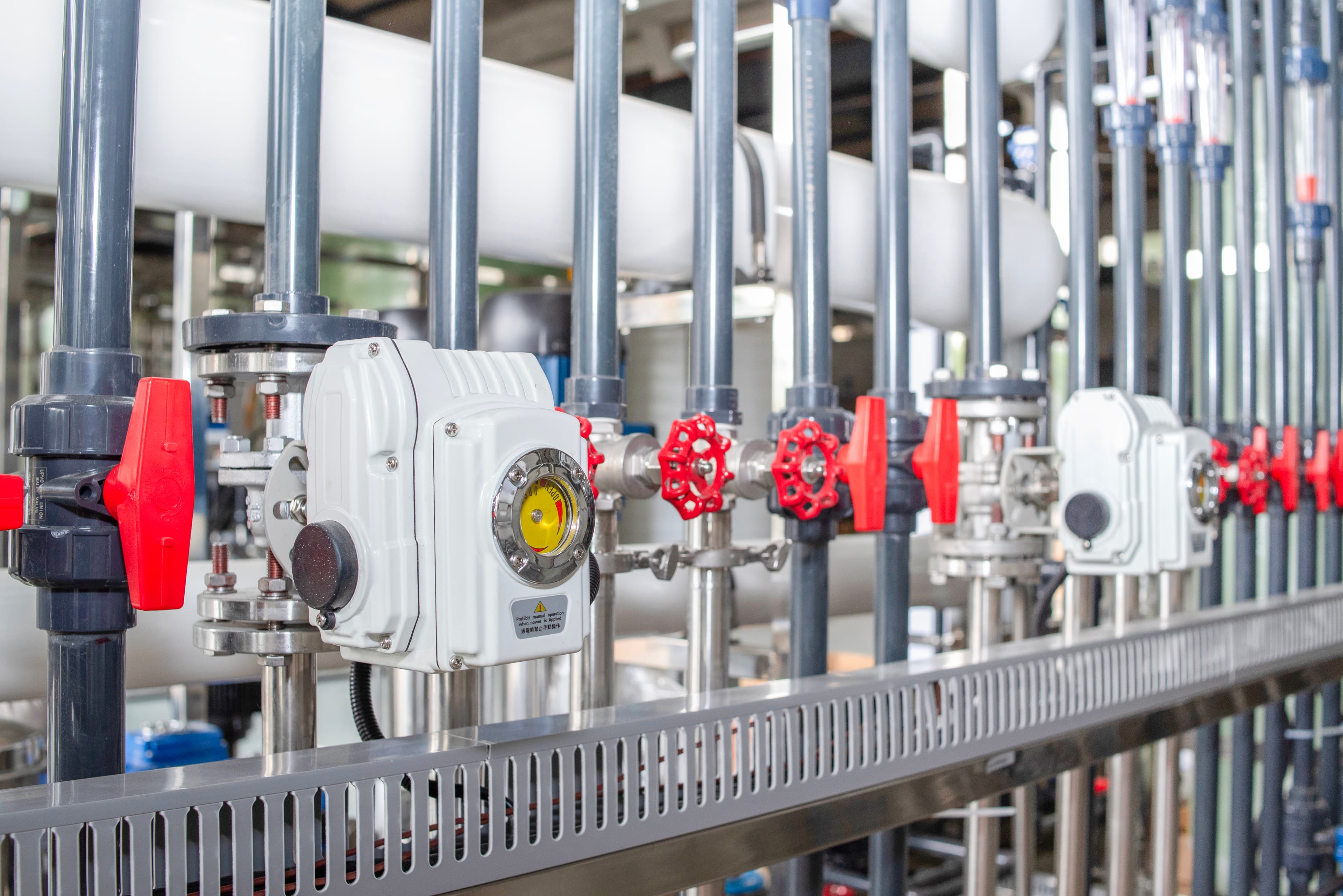
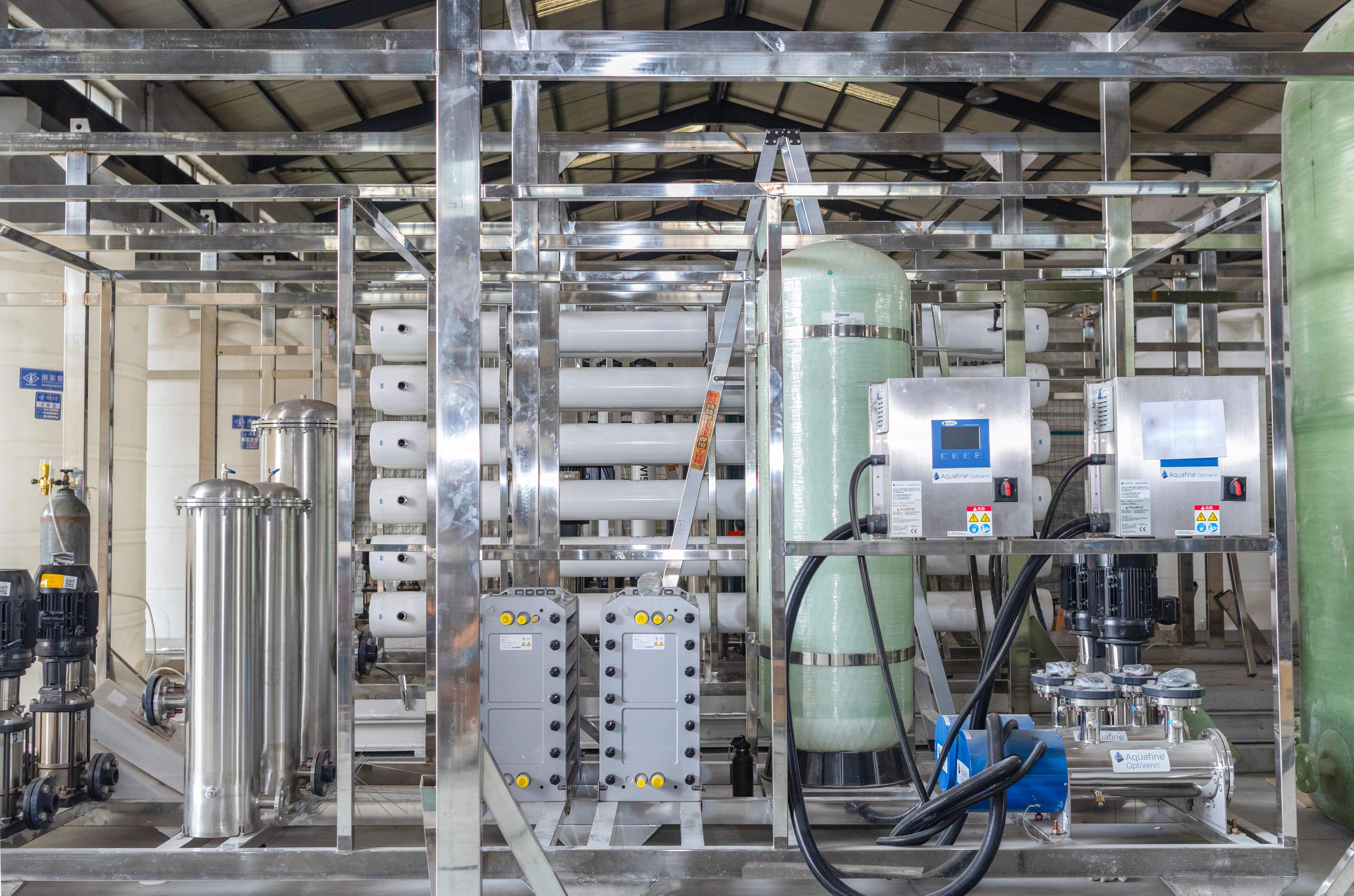
Pre-assembled containerized RO systems for industrial and remote projects, configured around feed-water analysis, site interfaces, transportation constraints and the approved operating duty.
Factory-assembled RO packages for projects with controlled logistics and site interfaces.
Modular deployment can be reviewed around the approved project schedule.
Containerized treatment for defined process or utility-water duties.
Layout and materials are selected from actual environmental conditions.
Transport, electrical standard, documentation and commissioning scope are planned together.
A modular RO package can be reviewed when the site and capacity plan support it.
The treatment route is selected from the feed-water basis, required product-water quality, capacity and actual operating conditions.
Pretreatment, membrane stages, materials, automation, layout and delivery scope are coordinated into one project-specific engineering package. Final design values are confirmed in the approved technical proposal.
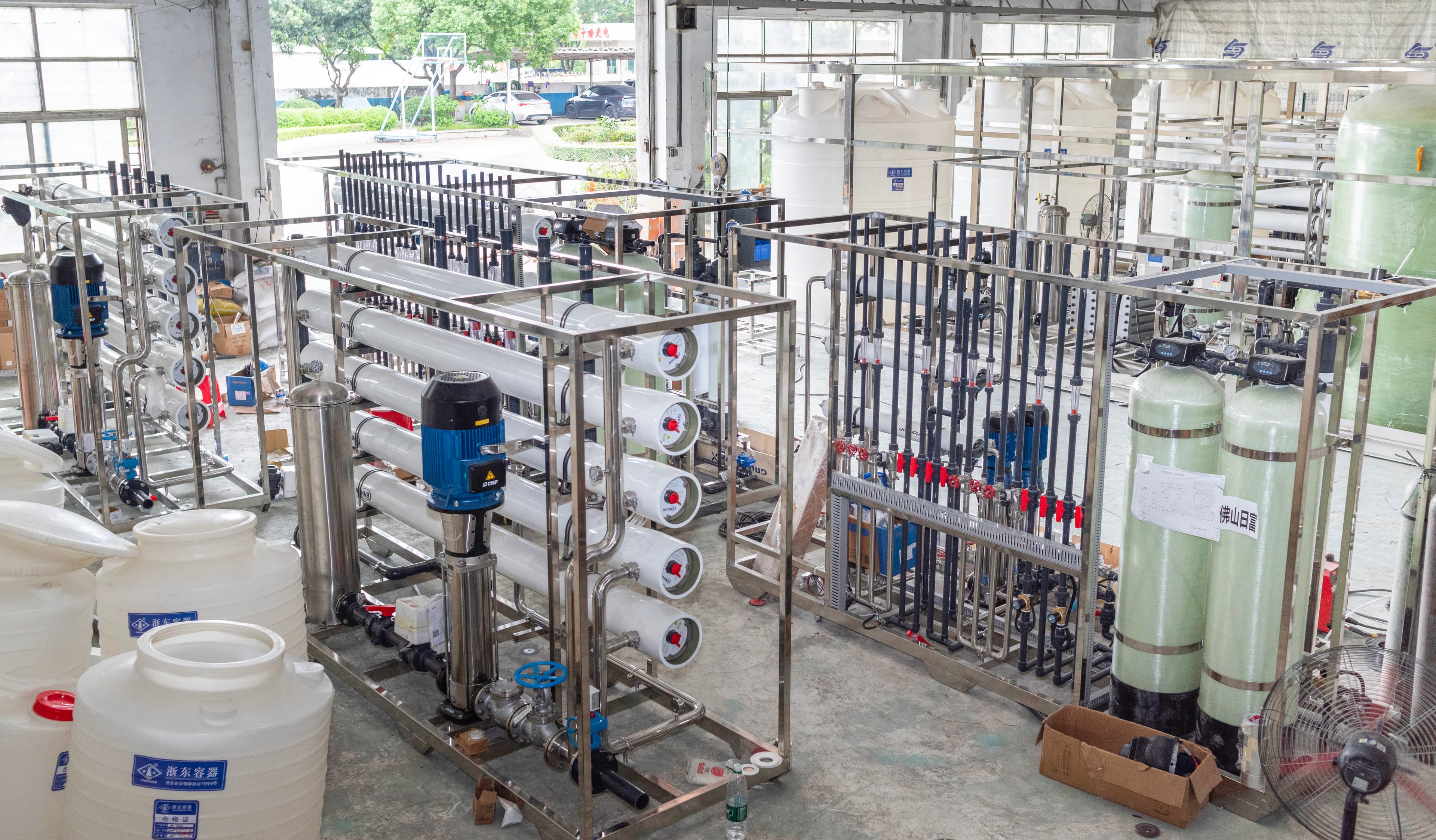
Current water analysis and the required product-water quality establish the practical treatment basis.
| Design Input | Required Information | Why It Matters |
|---|---|---|
| Feed water | Water analysis required | Defines the pretreatment and RO basis. |
| Required capacity | Project-specific | Defines equipment, tank and container layout. |
| Site utilities | Confirmed before fabrication | Defines electrical and connection interfaces. |
| Transport route | Project-specific | Informs container format and loading plan. |
| Product-water target | Confirmed by process requirement | Defines membrane route and monitoring scope. |
| Installation conditions | Confirmed during engineering | Guides access, foundations and commissioning planning. |
Each stage is selected to address a confirmed feed-water condition or product-water requirement; it is not a fixed equipment list.
Water analysis, layout, utilities and logistics are confirmed.
Treatment equipment, piping, electrical and automation are assembled to scope.
Inspection and functional checks follow the agreed FAT scope.
Container layout and shipping interfaces are prepared for the delivery plan.
Utility and water interfaces are completed at the project site.
Start-up support follows the approved scope and site readiness.
Containerization is a delivery and installation choice. The treatment route still follows the feed water and required product-water quality.
A skid layout can suit sites with an available equipment area and defined site interfaces.
A container package combines selected treatment, piping, electrical and automation in one transportable layout.
Multiple modules can be considered where the actual capacity plan and site layout support a staged approach.
Final technical values belong in the approved engineering proposal and follow the confirmed project basis.
| Parameter | Typical Option / Range | Engineering Note |
|---|---|---|
| Capacity | Project-specific | Sized from required flow, peaks and operating hours. |
| Feed water | Water analysis required | Defines pretreatment, membrane and material selection. |
| Product water | Confirmed by process requirement | Defines treatment stages and monitoring scope. |
| Process route | Project-specific | Selected from water chemistry and required quality. |
| Materials | Selected for water chemistry | Confirmed in the technical agreement. |
| Controls | PLC / HMI options | Configured around the agreed operating scope. |
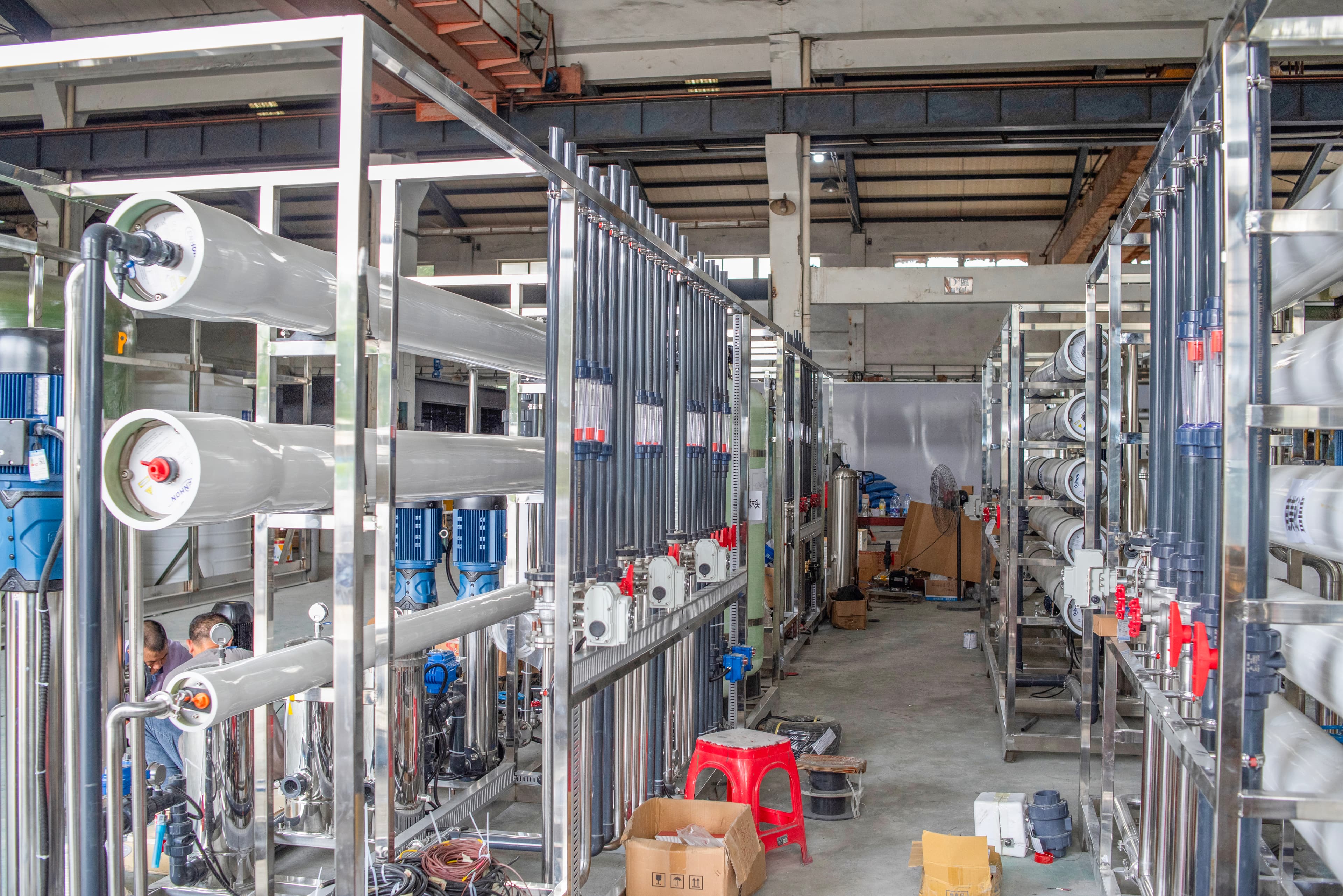
Component and brand selection can be discussed according to the approved project requirements.
Control architecture, instrumentation, electrical standard and reporting requirements are configured around the approved project duty.
Optional equipment is selected from the treatment risk, site conditions, delivery format and agreed technical scope.
Pretreatment modules
Industrial RO
Product-water tank
CIP connections
Quality instruments
Internal piping
Electrical distribution
PLC / HMI
Lighting and ventilation review
Service access layout
Remote monitoring
Site commissioning support
Documentation language
Transport planning
Material selection
Interfaces, layout, utilities, access and local requirements should be reviewed before fabrication and shipment.
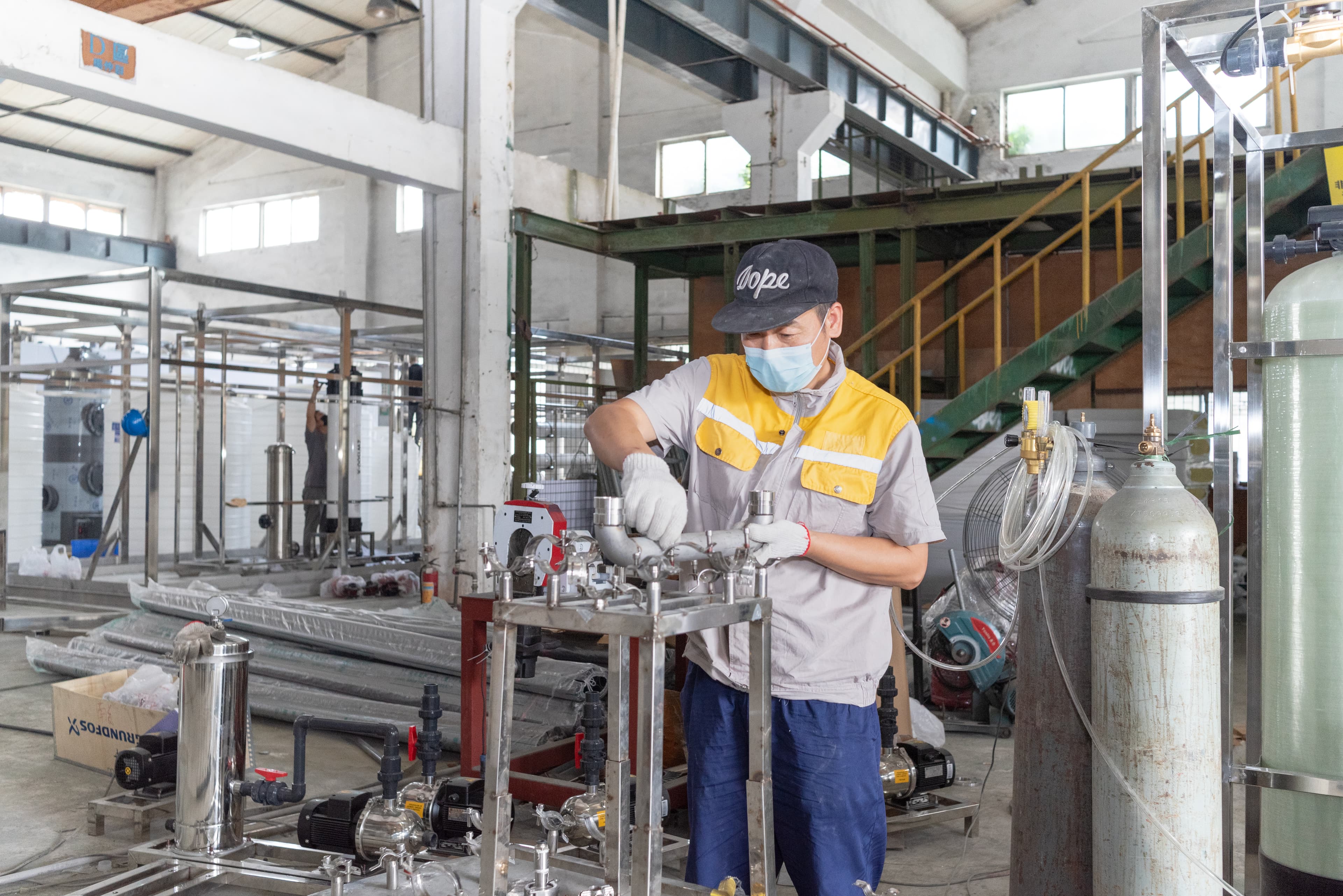
Assembly, inspection and functional review are planned against the approved technical agreement and agreed project scope.
Final FAT scope and acceptance criteria are confirmed in the approved technical agreement.
A project quotation follows the agreed treatment, control, materials, documentation and delivery scope rather than a generic equipment price.
Direct answers for engineering, procurement and project-planning discussions.
Scope can include selected pretreatment, RO equipment, piping, electrical distribution, PLC/HMI controls and container layout. The exact inclusion list is defined in the approved technical proposal.
The package is factory-assembled, but site water, power, drainage, foundation, access and commissioning requirements must still be confirmed for the individual project.
Yes. Transportation, electrical standards, documentation, site access and commissioning scope are reviewed together before fabrication and shipment.
Container format and layout follow the treatment route, capacity, equipment dimensions, service access, transport route and site installation conditions.
Remote monitoring can be included where the agreed automation, communications and operating scope support it.
| System | Skid-Mounted RO | Containerized RO | Modular RO Plant |
|---|---|---|---|
| Best for | Existing equipment room | Remote or logistics-led projects | Phased capacity or site constraints |
| Assembly | Factory skid assembly | Factory assembly in container | Coordinated module assembly |
| Site work | More room integration | Defined external interfaces | Module integration to approved layout |
| Selection driver | Available indoor footprint | Transport and installation plan | Expansion and site strategy |
Reverse OsmosisIndustrial RO systems engineered around feed-water analysis, capacity and product-water duty.
Brackish Water ROBrackish water RO systems engineered around water analysis, scaling risk, recovery review and required product-water quality.
Double-Pass ROTwo-pass RO systems for industrial applications requiring lower conductivity or a cleaner feed for downstream polishing.
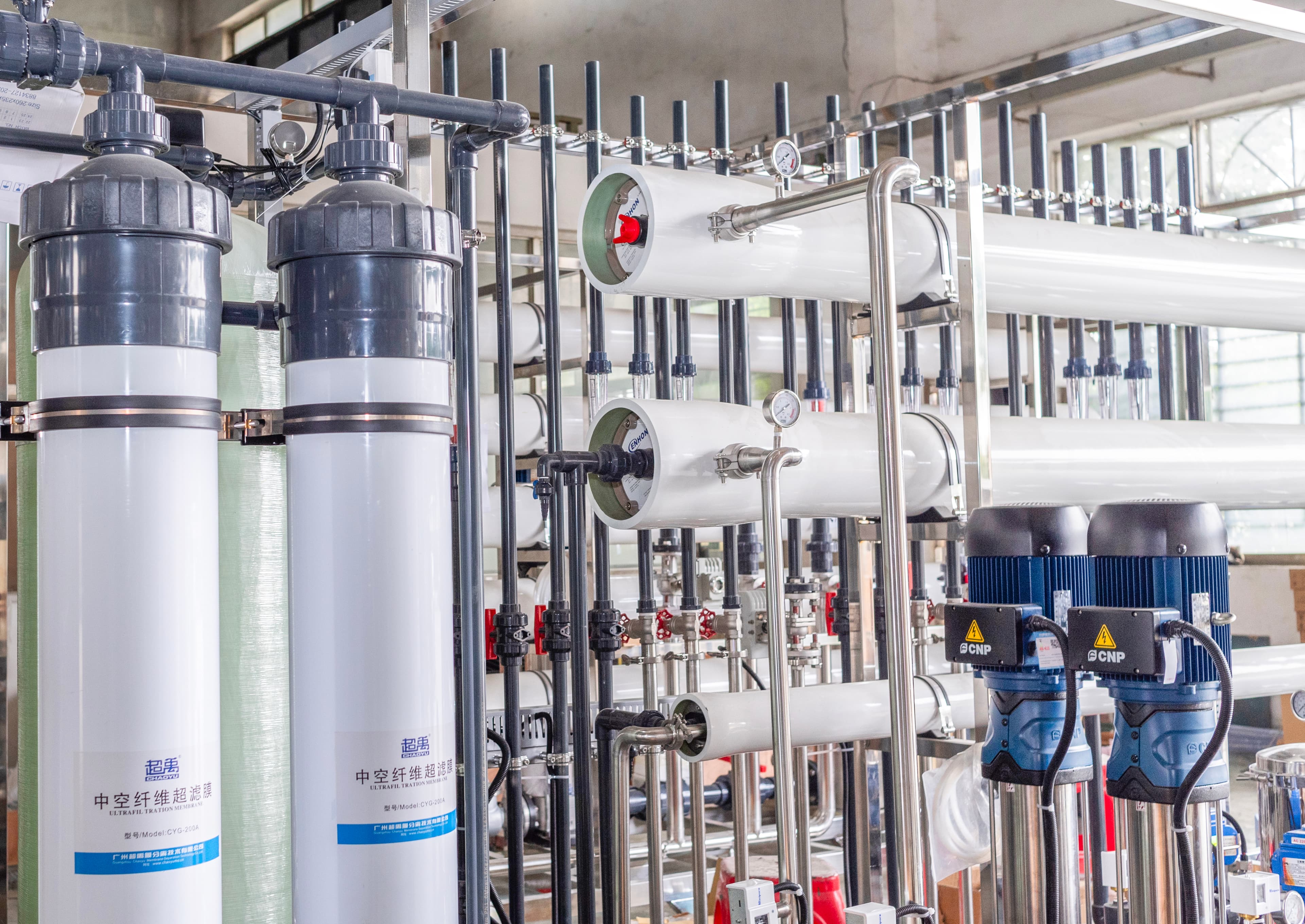 RO + EDI
RO primary desalination with continuous EDI polishing for confirmed high-purity water duties.
Share water analysis, capacity, destination country, site utilities, transport constraints and required product-water quality. Our engineering team will review the suitable containerized RO scope.