Selecting industrial sludge gravity belt thickener requires a defined operating envelope and evidence relevant to the installed duty. This procurement guide addresses drainage trials, belt loading and downstream pumping, with practical boundaries for trials, interfaces, maintenance and acceptance before an industrial buyer commits to the package.
Define the treatment mechanism and selection limits
A gravity belt thickener concentrates conditioned sludge by drainage through a moving porous belt. Its output remains a pumpable sludge where the application permits; it is not automatically a transportable dry cake. Define the concentration and rheology needed by the receiving digester, storage tank or dewatering machine.
For industrial sludge gravity belt thickener, start the inquiry with a boundary drawing and a schedule of operating cases. Show the upstream source, downstream destination and every utility connection. Label information as measured, calculated or provisional so bidders can state which assumptions their offer depends on. Include normal operation, the most demanding credible production condition and a reduced-demand state. This prevents a proposal based on a convenient average from being compared directly with an offer designed for a wider duty. Require unresolved assumptions to remain visible in the technical clarification register until the responsible plant engineer accepts the design basis.
Characterize the operating envelope
Provide feed dry-solids concentration and flow separately, with their variability. Compare hydraulic loading and dry-solids loading rather than choosing belt width from average volume alone. Include intermittent production sludges and chemical precipitation solids that may drain differently from biological sludge.
When comparing industrial sludge gravity belt thickener proposals, ask each bidder to describe the evidence behind the selection and identify the limits of that evidence. Separate manufacturer capability, site measurements and proposed acceptance criteria. A product description explains how equipment works; it cannot establish performance in an untested factory stream. Request the raw observations relevant to drainage trials, belt loading and downstream pumping and retain the test conditions with the result. If the available data do not cover a credible operating case, specify the additional trial or engineering review needed before approving that case rather than inserting an unsupported guarantee into the purchase order.
Send the feed-water analysis, target quality, required capacity and operating profile. We will help structure the next engineering questions.
Send your project inputsSpecify the installed arrangement
Run conditioning and drainage trials with representative sludge. Record polymer type, preparation, dose basis and mixing before comparing results. Strong-looking floc can still drain poorly, and excessive shear between conditioning and the belt can destroy the structure demonstrated in a gentle laboratory test.
Place industrial sludge gravity belt thickener interfaces on the same review agenda as the principal equipment. Assign ownership for supply piping, drains, electrical connections, communication signals and supporting structures. Record the permitted inlet and outlet conditions and how they will be measured at the package boundary. Evaluate startup and shutdown as actual flow paths, not merely controller screen labels. The site team should be able to identify where off-specification liquid goes and how the affected equipment is isolated. Any interface excluded from the vendor scope needs an identified owner and a completion date before commissioning is scheduled.
Resolve instrumentation and operating states
Review feed distribution across the working width, plough arrangement and belt-speed adjustment. Pooling, uneven distribution and side leakage can prevent effective use of the installed area. Include access for inspection and adjustment without assuming an operator can safely reach moving parts during normal running.
For a industrial sludge gravity belt thickener control review, distinguish a valid process reading from a communication value that merely exists. Define the response to missing utilities, invalid measurements and interrupted operation, using the equipment manufacturer instructions as constraints. Record which conditions permit automatic restart and which require an operator inspection. Review alarm text with the people who will respond during a production shift. An alarm should direct them to a condition they can verify, with an approved action and a clear return-to-service criterion. Demonstrate these states in the commissioning plan without deliberately exposing equipment or personnel to the hazardous condition.
Plan maintenance around the actual duty
Specify belt washing pressure and water quality, and separate wash-water demand from process filtrate. Determine whether returned liquid affects the upstream treatment load. A clean belt is necessary for repeatable drainage; an inadequate wash supply can invalidate otherwise promising sizing assumptions.
Budget for the complete maintenance cycle of industrial sludge gravity belt thickener, including isolation, draining, cleaning, replacement and verification before restart. Ask for an access drawing with the removal space and handling route shown, rather than accepting a footprint alone. Identify consumables by an unambiguous specification and keep the approved alternatives under revision control. Agree which measurements establish a useful maintenance baseline for drainage trials, belt loading and downstream pumping. Retain observations before and after intervention so a later engineer can distinguish equipment deterioration from changed feed conditions. Service intervals should reflect the actual duty and supplier guidance instead of an invented universal calendar.
Require evidence for site acceptance
Confirm the thickened-sludge discharge geometry and pump duty at the expected consistency. Acceptance should compare feed, thickened product and filtrate on a solids mass basis. Demonstrate tracking, wash alarms, stop sequences and downstream interlocks as well as the observed concentration.
The purchase specification for industrial sludge gravity belt thickener should contain a test matrix linking each requirement to a method, witness and retained record. Separate factory workmanship checks from site process verification. Mark any trial that uses a substitute fluid or simulated signal and explain what remains to be proven on the installed system. Record deviations openly, including temporary commissioning arrangements that must be removed. Final handover should contain approved drawings, equipment identities, operating limits, settings, maintenance instructions and baseline observations. This makes the acceptance decision traceable and gives the operations team a practical reference when drainage trials, belt loading and downstream pumping changes during service.
Prepare a comparable RFQ and a controlled handover
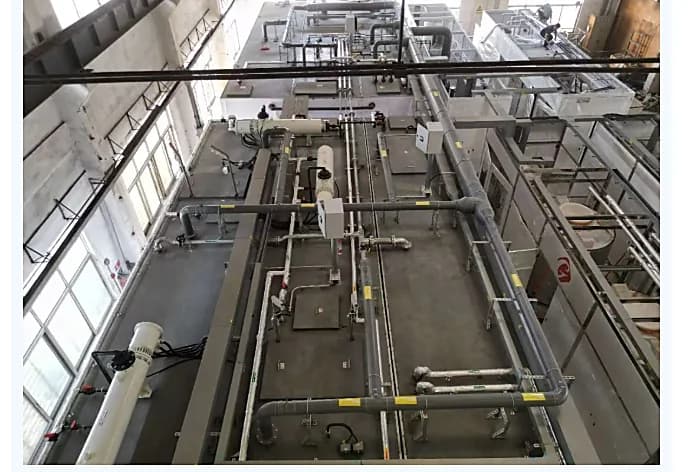
Send Baihuipu the available water analysis, capacity schedule and layout constraints for gravity belt thickeners for industrial sludge. Identify whether the request covers a new plant, retrofit or replacement and include the existing equipment documentation where available. Ask the engineering review to address drainage trials, belt loading and downstream pumping explicitly. Quotations should distinguish included equipment, owner responsibilities, commissioning support and the evidence required for acceptance. The featured photograph provides industrial water-treatment equipment context; it does not establish that the particular component discussed here is shown or that a stated process result has been achieved.
Compare the lifecycle scope before selecting the lowest equipment price for industrial sludge gravity belt thickener. Include consumables, utility demand, planned maintenance access and the cost of managing residual streams where relevant. Request site-specific estimates with their assumptions rather than a universal saving claim. Close technical exceptions before treating the commercial offer as a complete supply agreement. Keep a dated record of the selected operating envelope so subsequent production changes can trigger a review instead of silently moving the installed package beyond its approved duty.
Questions buyers commonly ask
What information is needed to quote industrial sludge gravity belt thickener?+
Provide the operating cases, relevant water analysis, site arrangement and utility boundaries. Identify the required scope for drainage trials, belt loading and downstream pumping and distinguish measured conditions from provisional assumptions so the supplier can explain the basis and limits of its selection.
Can a standard product rating prove industrial sludge gravity belt thickener site performance?+
A standard rating establishes performance only under its stated conditions. Confirm which conditions represent the proposed installation and document any additional trial or site test needed for drainage trials, belt loading and downstream pumping before accepting a project-specific performance commitment.
What should the industrial sludge gravity belt thickener handover include?+
Retain the approved configuration, equipment identification, operating limits, commissioning observations and maintenance instructions. Record unresolved deviations and the permitted response to abnormal conditions, with responsibilities for checking drainage trials, belt loading and downstream pumping after changes in production.
Turn the guide into a project brief.
Final process selection and performance commitments should follow the complete feed-water analysis, application requirements, site utilities and approved technical agreement.