An online TOC analyzer can reveal organic-carbon changes that conductivity alone does not describe. For industrial pure water, its usefulness depends on the analytical method and the sample arriving at the instrument. Compare complete measurement systems, including sampling, response, verification and maintenance, rather than buying only a low detection-limit specification.
Translate the process concern into an analytical duty
Identify why organic carbon matters at the selected water-system boundary. The concern might be a change after polishing, contamination in storage or an unexplained difference between a generation outlet and a distribution return. Define the expected sample matrix and operating range for that location. A pure-water analyzer should not automatically be expected to measure untreated wastewater or concentrated cleaning solutions simply because all three applications use the term TOC.
TOC expresses organic carbon as carbon concentration; it does not identify each compound or establish a microbial count. Describe what further investigation follows an unusual result and which other measurements are needed for the process. Avoid treating one low reading as proof that every water-quality requirement is satisfied. The procurement specification should connect the measurement to a defined industrial use point and a practical investigation plan, without importing unrelated pharmaceutical or drinking-water compliance claims.
Understand the oxidation and detection method
TOC instruments use an analytical process to convert organic carbon into a measurable carbon signal, commonly through oxidation to carbon dioxide. Available instruments differ in oxidation and detection approaches. Ask each bidder to describe the method, expected sample limitations and evidence relevant to the proposed water matrix. The question is whether the method can provide suitable measurements in this application, rather than whether one technology label is universally superior for every industrial water stream.
Veolia's Sievers technical overview distinguishes methods such as infrared and conductometric detection and explains how its selective membrane approach separates carbon dioxide from other oxidation products. Use the selected manufacturer's documentation to understand how inorganic carbon is accounted for and what can interfere with the result. Do not confuse an instrument that internally uses conductivity to detect carbon dioxide with an ordinary conductivity sensor installed in the water loop; they perform different analytical functions.
Send the feed-water analysis, target quality, required capacity and operating profile. We will help structure the next engineering questions.
Send your project inputsCompare useful measurement capability at the decision range
Specify expected normal values, the range requiring investigation and credible upset conditions. Request accuracy, precision, blank behaviour, quantification capability and recovery evidence near the intended decision range. A headline detection limit alone does not describe the uncertainty of a routine result. Ask which specifications apply under the actual sample temperature, conductivity and inorganic-carbon conditions, and identify the standards and procedures used by the vendor to verify the instrument's low-level performance.
Review what happens after a sample exceeds range or contaminates the measurement path. Include recovery to a stable baseline, cleaning requirements and how unavailable data are identified. An analyzer that is suitable during normal production can still have an important limitation following an upset. Agree whether the instrument needs a separate protection or conditioning arrangement, and ensure that arrangement does not remove or change the organic material that the process team intended to measure.
Make the sample representative before adding accessories
Locate the sample connection where it addresses the defined process question. Show the takeoff, tubing route, isolation, pressure control, instrument inlet and discharge on a drawing. Minimize unnecessary residence volume and select wetted materials with the analyzer supplier. At low organic-carbon levels, contamination introduced by tubing, fittings, seals or handling can become a meaningful part of the result. The sample system therefore belongs in the analytical scope rather than being left as miscellaneous site piping.
Confirm the required inlet flow, pressure and temperature for the exact instrument model. If cooling, pressure reduction or filtration is proposed, ask why it is necessary and how its effect on the sample will be assessed. Provide access for flushing and maintenance without creating a stagnant branch that is difficult to restore. A sample-conditioning accessory should have a defined function and documented materials, because extra components can add contamination sources and make a delayed signal harder to interpret.
Calculate the response of the complete measurement chain
Distinguish sample transport time from instrument analysis time and software averaging. The approximate transport delay follows the liquid volume between the takeoff and instrument divided by actual sample flow, provided units are consistent. The practical response can also depend on mixing and surface interactions. Ask the supplier to explain the complete delay expected for the installed arrangement, including any multipoint selector or intermittent sampling sequence, rather than quoting only the instrument's analysis-cycle time.
For several sampling points, define the switching order, flushing interval and evidence used to prevent carryover from one location to the next. Store point identity with each measurement. A trend that blends generation-outlet and return-loop readings without location labels can create false process conclusions. Where rapid upset detection matters, compare dedicated analyzers with multiplexed sampling using the required coverage and maintenance resources. Include the periods when a point is not being sampled in that review.
Specify verification and low-level sampling discipline
Agree calibration and verification responsibilities, the appropriate standards, acceptance criteria and the treatment of blanks. Request procedures suitable for the chosen instrument and measurement range. Handling a low-level standard carelessly can add enough contamination to undermine the exercise. Define container preparation, transfer practices and the point where a verification sample enters the system. A successful instrument check may not test the field sample line, so identify separately how that line will be assessed.
If laboratory comparison is required, agree how samples will be collected, transported and analyzed, with attention to sample stability and contamination. Online and laboratory results can differ because they represent different times or handling conditions, even before method differences are considered. Document those conditions before using disagreement as evidence of analyzer failure. Keep as-found and as-left records after maintenance, and retain enough information to identify whether a changed baseline followed a process event or an analytical intervention.
Integrate valid data and maintenance states into operations
Specify the signals and communications needed by the plant system, including measured TOC, sample-point identity, instrument status and fault indications. Distinguish a valid measurement from calibration, rinse, maintenance and loss of sample flow. Do not freeze the last good value on the operator display without a clear stale-data indication. Record timestamps and units consistently so the analyzer trend can be compared with production events, tank operations and maintenance on the same time basis.
List consumables and periodic tasks for the selected technology, which may include lamps, reagents, tubing or other model-specific items. Request service access, replacement procedures and the expected instrument state during those tasks. Compare ongoing sample-water consumption and waste routing as well as purchase cost. A suitable analyzer requires a realistic ownership plan: trained personnel, available spares, standards and a process for investigating abnormal results rather than simply acknowledging alarms until the trend returns to normal.
Prepare the analyzer RFQ and commissioning evidence
Provide suppliers with the water-system diagram, sample-point purpose, expected matrix, decision range, utilities, data interface and site layout. Request a method explanation, sample-system drawing, guaranteed specifications under stated conditions, consumable schedule and verification plan. Ask bidders to state exclusions and assumptions explicitly. The acceptance package should show installation compliance, sample flow and condition, valid status reporting, method checks and a baseline recorded under identified operating conditions, without claiming an unsupported plant-quality outcome.
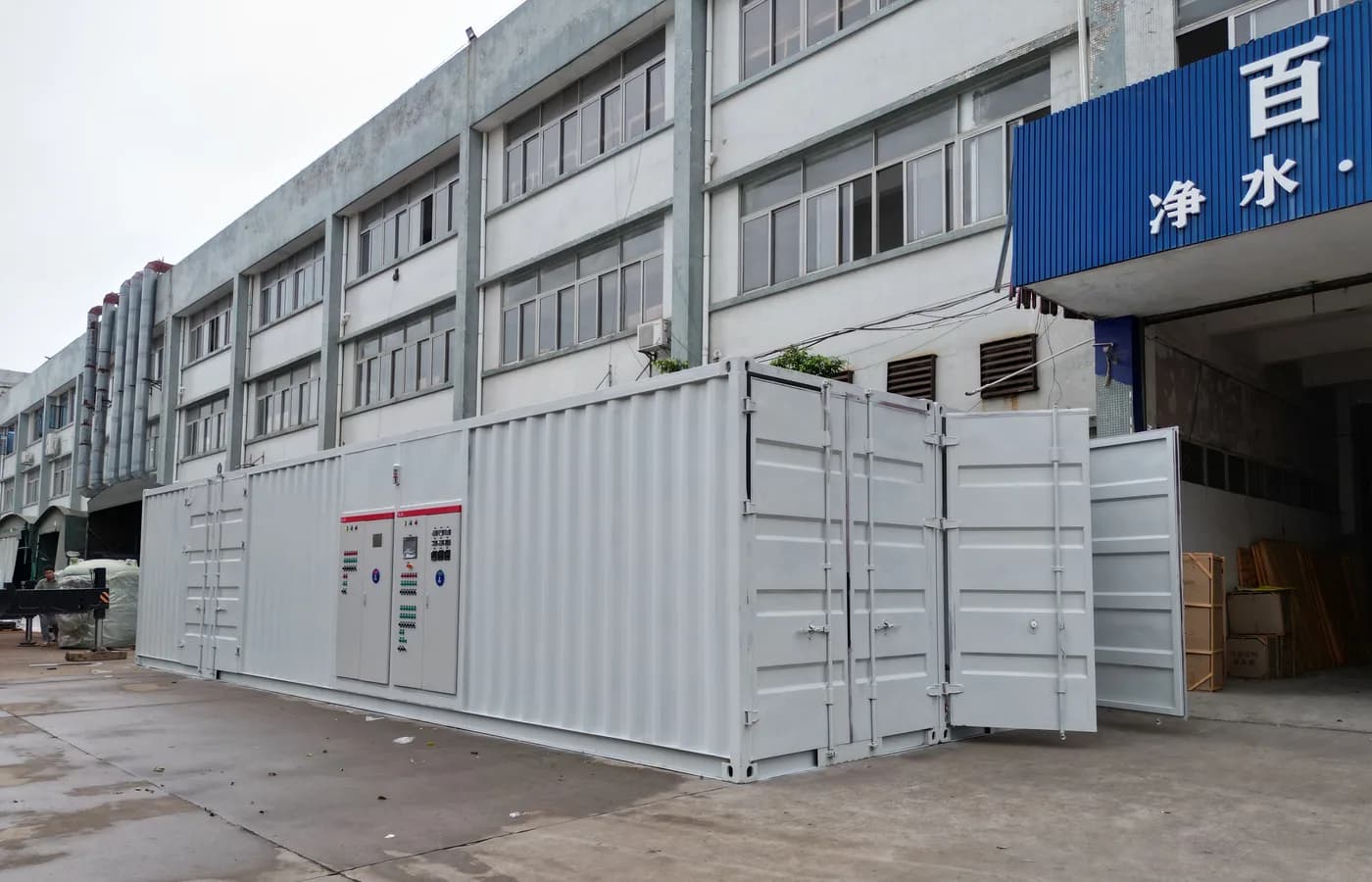
The featured image is a generic high-purity equipment reference, not a photograph of a supplied TOC analyzer. Send Baihuipu the required organic-carbon measurement range, sample conditions, generation and distribution layout, and existing quality data for an integrated review. A useful scope will identify both the analyzer vendor's responsibility and the site sampling interfaces, allowing the buyer to compare the complete analytical duty and understand what evidence the installed system can actually provide.
Questions buyers commonly ask
Can pure-water conductivity replace TOC measurement?+
They measure different attributes. Conductivity describes ionic conductance, while TOC assesses organic carbon through an analytical method. Select both measurements from the water-use requirements.
Does TOC identify a specific contaminant?+
TOC is an aggregate carbon measurement. An unusual result can trigger investigation, but identifying a particular compound may require other analytical techniques and process information.
Why is the sample line part of analyzer selection?+
It affects contamination risk, sample condition and transport delay. Its materials, volume, flow and maintenance provisions determine whether the instrument receives a representative sample.
What should be compared beyond detection limit?+
Review performance near the decision range, sample-matrix limitations, response, carryover recovery, verification procedures, status signals, consumables, maintenance access and the complete sample-system scope.
Turn the guide into a project brief.
Final process selection and performance commitments should follow the complete feed-water analysis, application requirements, site utilities and approved technical agreement.