An ozone sanitization proposal needs two explicit boundaries: where ozone is required during sanitization and where it must be absent before water reaches production. Specify materials, monitoring, destruction and release controls together, then validate the operating modes against the factory’s actual water-quality requirements.
Define the sanitization objective and boundary
Identify the tank, loop and branches included in the proposed sanitization mode. State the industrial application, production schedule and quality requirements at each receiving process. Decide whether the project is considering tank conditioning, periodic loop sanitization or another approved operating concept. These are different service boundaries. The enquiry should show the intended water path during sanitization and normal supply, with every production connection accounted for before equipment is selected.
Agree the microbiological and chemical acceptance requirements with the process owner and responsible specialist. Ozone equipment alone does not establish hygienic performance or suitability for a regulated water grade. This guide concerns industrial package specification and does not claim pharmaceutical qualification. Where a regulated application is intended, its validation and documentation obligations need a separate approved scope. Avoid applying terminology such as sterile or compliant without evidence for the complete installed system and its use.
Separate generation from delivered residual
Ask the vendor to explain the proposed ozone generation method and the associated utilities. Identify injection or generation location, mixing, transfer and any gas-handling interfaces. A generator's nominal output is different from the dissolved residual achieved at a defined water location. Water chemistry, demand, hydraulic arrangement and losses affect that relationship. Specify the measured operating condition the system must demonstrate, and require the supplier to identify assumptions rather than equating equipment capacity with effective treatment.
BWT describes a storage-and-distribution concept that uses ozone and subsequent UV destruction in its own equipment. That example supports considering separate sanitization and residual-removal functions; it does not establish a design or performance guarantee for another industrial loop. Request project-specific calculations and testing for the proposed arrangement. The package boundary should identify who supplies generation, contacting, residual measurement, destruction and the final release decision, so an essential function cannot disappear between contractors.
Send the feed-water analysis, target quality, required capacity and operating profile. We will help structure the next engineering questions.
Send your project inputsReview every exposed material and component
List the wetted materials exposed during normal operation and sanitization, including tanks, piping, valves, seals, sensors, sample assemblies and point-of-use components. Obtain compatibility information for the actual exposure conditions from the relevant manufacturers. A suitable piping material does not establish that a valve seat, instrument membrane or flexible connection is suitable. Record limitations in the design review and resolve them before sanitization becomes an accepted plant operating mode.
Review components outside the water circuit where relevant to the selected generation system. Identify ventilation, off-gas management, drains and maintenance isolation using the supplier's instructions and the site's engineering assessment. Do not assume that ozone disappearing from a water sample proves acceptable gas conditions in a room or tank headspace. The purchased system needs an explicit environmental and service interface, with suitable monitoring and protective functions specified for its actual installation.
Specify dissolved-ozone measurement locations
Locate sensors to answer specific control questions, such as residual in storage, return conditions or confirmation after destruction. Define the measurement range, reporting limit and response characteristics required at each point. An ozone sensor in one part of the loop cannot automatically represent every branch. Review sample delay and sample integrity where a sidestream arrangement is used, and identify when flow or temperature conditions make the measurement invalid.
Ask the instrument supplier to document calibration, verification, maintenance and interference considerations for the chosen water. Emerson's dissolved-ozone sensor documentation illustrates a dedicated measurement technology; instrument selection still requires an application review. Test how invalid or stale measurements appear in the controller and historian. A displayed last-good value should not silently authorize production release after sample flow stops or during sensor service. Define the plant's action when reliable residual evidence is unavailable.
Define destruction and process release
Where the process requires ozone removal before use, specify the destruction technology and its verified boundary. If UV is selected, require the equipment supplier to establish the relevant duty and monitoring for that purpose. A UV unit chosen for another task is not automatically adequate for the proposed dissolved-ozone load. Show the highest credible inlet condition, flow range and instrumentation needed to support the release decision at the receiving process.
Connect residual confirmation, equipment health and valve action in the cause-and-effect document. Test the complete response to loss of destruction capacity, an invalid sensor and an interrupted supply. Agree where water goes while the system is recovering and who can authorize return to service. A controller command that enables a UV unit is not proof of successful ozone removal. Acceptance should demonstrate the final measured condition and the actual routing of unsuitable water.
Make sanitization modes visible to operators
Define normal supply, sanitization, rinse or recovery, standby and fault modes as applicable to the selected design. State which production users are isolated in each mode and how valve positions are confirmed. Show active mode, release status and relevant alarms clearly on the operator interface. A sanitization sequence should not depend on someone remembering which downstream tool is connected or manually closing an undocumented branch before starting the programme.
Review mode transitions with production scheduling and maintenance. An interrupted sanitization may require an approved recovery decision rather than simply resuming the remaining timer. Define how power loss, pump trip, low tank level and failed valve feedback affect the sequence. Retain a timestamped record of mode changes, measured conditions and operator intervention. These records help distinguish a completed sequence from a partially executed cycle when the process owner evaluates whether water can be released.
Verify the installed loop through a defined test plan
Develop the acceptance programme around actual operating modes and the agreed sampling strategy. Include locations that represent the tank, return and relevant use boundaries, with suitable analytical methods and timing. Record the conditions under which samples were collected. A single satisfactory sample after commissioning does not establish ongoing sanitization effectiveness across changing demand, maintenance or standby. Define the evidence and review responsibilities with the plant's quality and engineering personnel before testing begins.
Separate control demonstrations from water-specific verification. Factory testing can prove sequence logic, alarms and simulated signal response, while site tests establish installed hydraulics and measured water conditions. Verify the destruction interlock at the actual release valve and retain the results with drawings and sensor records. If an acceptance condition fails, investigate the boundary and operating state rather than changing the release requirement to fit the available equipment. Keep any revised procedure under documented approval.
Prepare an ozone-system enquiry
Send Baihuipu the loop drawing, water composition, application requirements, operating schedule and intended sanitization boundary. Include exposed materials, available utilities, receiving-process sensitivity and existing monitoring. Request a specialist assessment covering generation, residual measurement, destruction, modes, service access and acceptance evidence. Ask suppliers to state which parts of qualification or routine monitoring remain with the owner. The comparison should be based on a complete controlled-water duty, without unsupported sanitization percentages or universal residual settings.
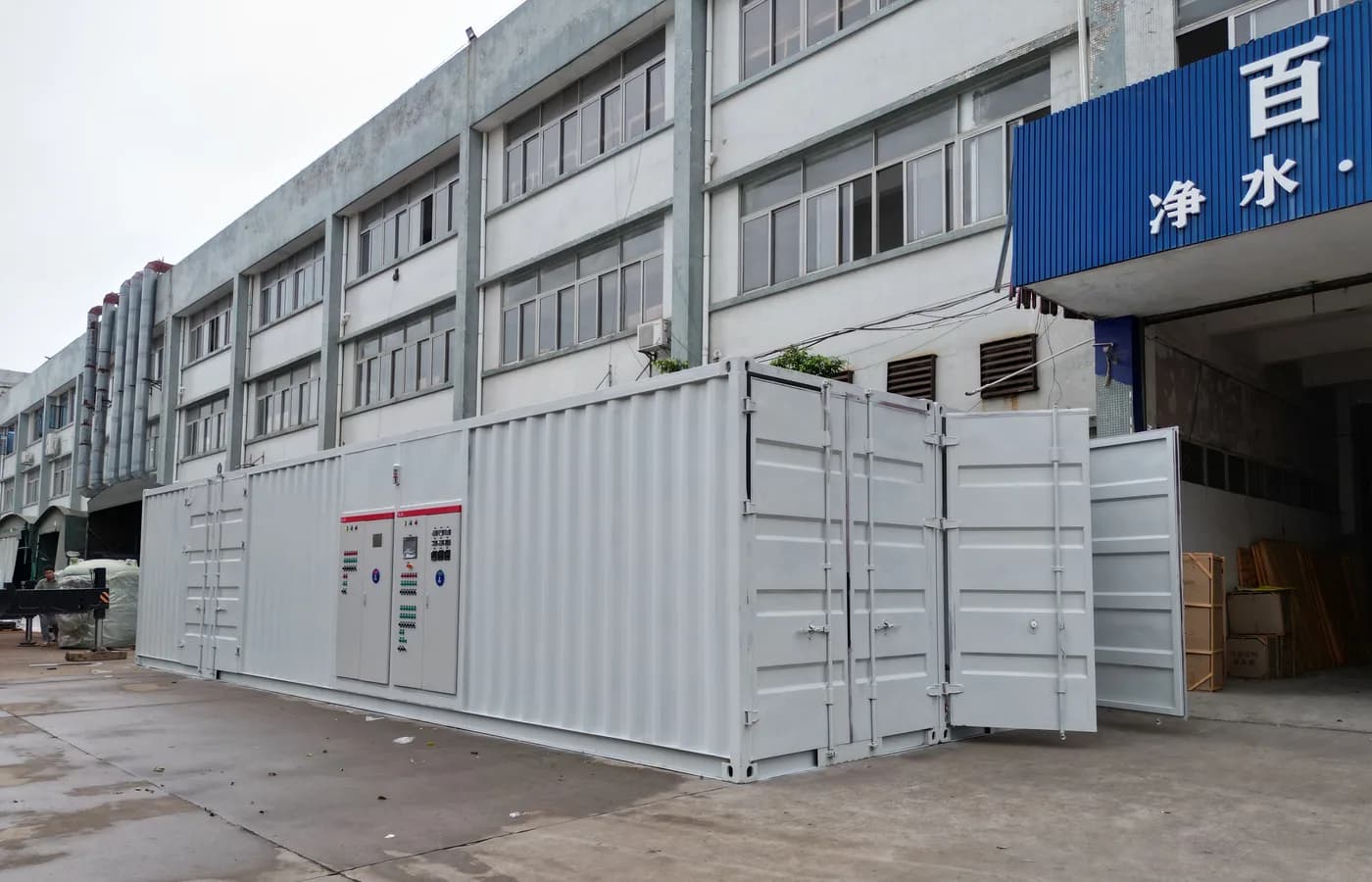
The featured photograph shows high-purity treatment equipment, tanks and a control panel; it does not identify an ozone generator or prove a sanitization cycle. Use it as system context alongside the linked storage and UV guides. A sound purchase establishes where treatment is applied, how its condition is measured and when water is safe for the defined industrial process to receive. That clarity supports maintainable operation while leaving unverified hygienic and compliance claims out of the project record.
Questions buyers commonly ask
Does generator output establish the dissolved ozone residual?+
No. Verify residual at the defined water boundary under the actual hydraulic and water-quality conditions.
Can ozone be allowed to reach every production user?+
Determine compatibility and the process-water requirement. Where removal is required, specify destruction and verified release controls.
Is any UV reactor adequate for ozone destruction?+
No. Have the supplier establish the duty and acceptance basis for the actual ozone load and flow range.
Does this equipment specification establish pharmaceutical qualification?+
No. A regulated water application needs its own approved design, validation and documentation scope.
Turn the guide into a project brief.
Final process selection and performance commitments should follow the complete feed-water analysis, application requirements, site utilities and approved technical agreement.