Raw RO production figures change with feed and operating conditions as well as membrane condition. A useful monitoring package retains reliable measurements and applies a documented comparison method, giving operators evidence for investigation before cleaning, replacement or a change in operating settings is proposed.
Define the operating question before buying software
Decide which decisions the monitoring system is expected to support. Examples include recognizing a persistent change in train behaviour, prioritizing a pretreatment investigation or preparing evidence for a membrane supplier review. Identify the responsible reviewer and expected response. A dashboard without an agreed decision process can accumulate attractive trends while operators continue to rely on unrecorded impressions. The purchase scope should connect each reported indicator with a practical review action and a clear data boundary.
Separate process control from performance assessment. Protective interlocks still need their approved real-time instruments and logic; a maintenance trend should not silently replace them. State whether the monitoring tool is advisory or authorized to influence operation, and document any interfaces. Avoid promising automatic diagnosis of every fouling mechanism. Several equipment or water-quality changes can produce similar trends, so the system should support investigation with evidence rather than display an unsupported root-cause conclusion.
Collect measurements from defined locations
Prepare an instrument map covering the pressure, flow, temperature and water-quality observations required by the selected assessment method. Mark sample and pressure locations relative to pumps, stages, valves and permeate backpressure. Identify units and signal scaling in a shared tag list. A pressure reading from an ambiguous point can make a calculation appear precise while representing the wrong hydraulic condition. The supplier should review the installed arrangement before committing to an analysis scope.
Record membrane models, element quantities, staging and relevant system configuration. Include changes to recycle, bypass, blending and quality diversion where they affect the measured streams. Data from a changed flow path should not be compared to an earlier configuration without explanation. For double-pass systems, separate each pass and identify transfer or storage effects. Ask the supplier to state which measurements are essential and which assumptions would be used if an existing instrument is unavailable.
Send the feed-water analysis, target quality, required capacity and operating profile. We will help structure the next engineering questions.
Send your project inputsSynchronize and qualify the operating data
Define how readings are collected together and how the system identifies a stable operating period. Start-up, flushing, cleaning, diversion and interrupted production may require exclusion or separate classification. Retain those events, but do not mix them indiscriminately with routine performance data. Specify timestamps, clock synchronization and data age. A calculation combining a current pressure with yesterday's laboratory result needs its limitations visible, particularly when feed conditions have changed between observations.
Include checks for missing, stale, implausible or manually substituted signals. The historian should preserve original readings and make corrections traceable. Review measurement uncertainty and calibration arrangements with the instrument owners before setting sensitive alerts. An apparent deterioration may originate in a drifting conductivity sensor or an incorrect flowmeter scale. A reliable package exposes these limitations and routes questionable data for review rather than turning every incoming number into an authoritative performance score.
Document the normalization method and reference
Normalization adjusts the comparison for specified operating-condition effects using an approved model or procedure. Require the selected membrane supplier's applicable method or a validated equivalent, with inputs, reference conditions and limitations documented. Do not substitute an unexplained spreadsheet factor for a traceable calculation. The aim is a consistent comparison of equivalent operation, while retaining enough original data for another engineer to reproduce the result and understand the assumptions.
DuPont's RO Operations Advisor describes data mapping and normalization within its own monitoring workflow. That is an example of an established approach, not a requirement to use a particular commercial platform. Compare available tools on the method, compatible equipment, data handling and support. Require the vendor to demonstrate the calculation using agreed reference cases. Keep software versions and configuration records so a later change in the reported trend can be distinguished from a real change in plant behaviour.
Establish and protect a meaningful baseline
Choose baseline data from a defined, stable and accepted operating condition. Record the membrane state, water analysis, calibration status and configuration at that time. A commissioning date alone does not prove that the chosen period is representative or that every instrument was correct. Agree who approves the baseline and how its limitations are noted. Preserve that evidence with the original dataset so the comparison remains understandable after staff or service providers change.
Set rules for reviewing the baseline after membrane replacement, major cleaning, instrument changes or a revised operating arrangement. Do not automatically reset the reference simply because current results look worse. Keep the earlier baseline and document the reason for any new comparison period. Where several trains differ in configuration or duty, avoid ranking them using a single unqualified reference. The monitoring scope should support comparable conditions rather than force all equipment into one simplified score.
Link alerts to investigation steps
Agree alert conditions with the membrane supplier and plant engineer using the selected method and operating context. Distinguish an invalid calculation from a persistent change in a valid trend. Define confirmation, notification and review responsibilities. A universal percentage copied from an unrelated system may trigger unnecessary work or overlook an important change. The purchased tool should make thresholds and their approval visible, with access controls and a history of later adjustments.
Use a structured investigation that first checks data quality, operating configuration and feed changes. Review pressure-loss patterns, production and product quality together before selecting a maintenance action. Correlate events such as cartridge changes, dosing interruptions, source switching and abnormal shutdowns. An indicator can justify further assessment without proving a particular deposit or membrane defect. Keep the recommendation and its supporting observations separate, so cleaning or replacement decisions can be evaluated against the available evidence.
Specify data ownership and maintainable access
State who owns the raw data, calculated results, configuration and event history. Require a usable export format and define retention, backup and restoration. If a remote service is proposed, coordinate access with the site's approved information-security process and limit it to the agreed function. Avoid a monitoring purchase that becomes unusable when a subscription ends or an individual leaves. The handover should explain how the plant can retrieve its records and continue reviewing performance.
Define support responsibilities for instrument mapping, calculation errors and software updates. Request operator instructions and a maintenance guide that covers changing an instrument without losing tag meaning or history. Test restoration using an agreed backup rather than merely accepting a file labelled backup. Confirm that essential plant control remains available if the advisory platform is offline. These practical requirements determine whether the monitoring package remains useful after the initial demonstration and commissioning period.
Demonstrate the workflow before acceptance
Use an agreed dataset to verify tag mapping, units, timestamps, invalid-data flags, reference cases and exported results. Demonstrate a stable operating period and representative excluded events. Test an interrupted signal and show how the tool prevents its use in a misleading calculation. Walk through an alert from observation to engineering review, including the retained evidence. Acceptance should show that another authorized person can understand and reproduce the decision path.
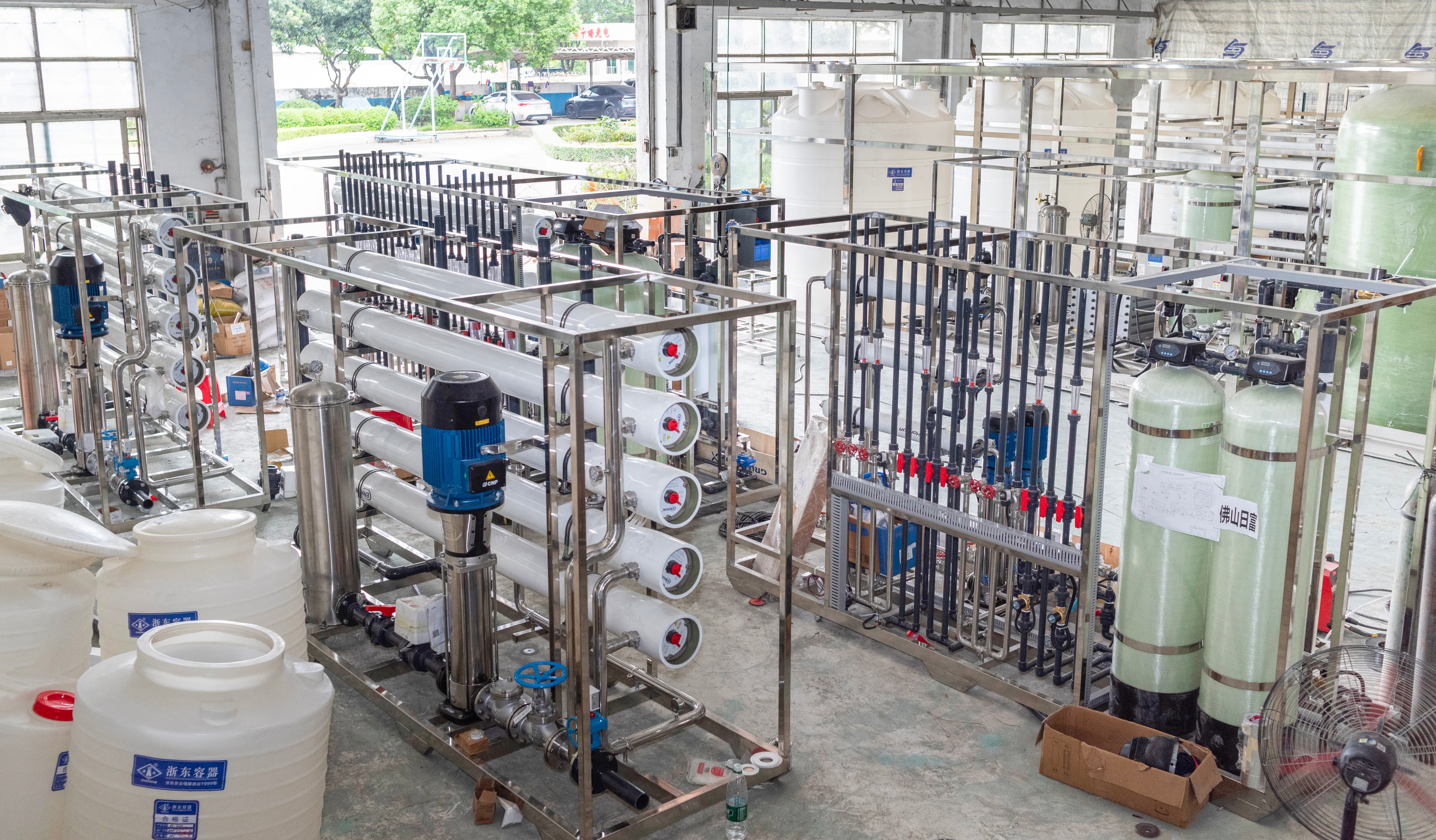
Send Baihuipu the membrane arrangement, available tag list, operating history and maintenance questions for a monitoring-scope review. Request a documented method, baseline plan, data-quality controls and acceptance demonstration. The featured image shows an industrial RO train, not a monitoring dashboard or measured improvement. Use the linked instrument articles to resolve measurement gaps. A useful monitoring investment provides trustworthy comparisons and a practical review process, without inventing savings, membrane-life extensions or diagnostic certainty.
Questions buyers commonly ask
Is lower raw permeate flow proof of fouling?+
No. Review temperature, pressure, feed composition, configuration and instrument quality using an appropriate comparison method.
Can normalization replace protective interlocks?+
No. Advisory performance assessment and real-time equipment protection have separate functions and acceptance requirements.
When should the monitoring baseline change?+
Use a documented engineering review after relevant equipment or operating changes, preserving the earlier baseline and justification.
What data should the buyer retain?+
Retain raw measurements, timestamps, configuration, method version, baseline, event records and traceable corrections.
Turn the guide into a project brief.
Final process selection and performance commitments should follow the complete feed-water analysis, application requirements, site utilities and approved technical agreement.