Residual chlorine monitoring before RO is an instrument and sample-system decision. The selected measurement must match the oxidant risk, and the installed response must account for sample transport, analysis time and the action taken when the signal is unavailable.
Define the oxidant measurement before selecting hardware
List oxidants and disinfectants that can enter the RO feed across normal operation, cleaning and source changes. Ask the membrane supplier for applicable exposure limits and the required protective philosophy. Free chlorine, total chlorine and other oxidant measurements describe different analytical targets. Do not choose one because it is familiar on a previous site. State the intended analyte, reporting convention and the decision that the result must support in the instrument specification.
Identify whether chloraminated source water or occasional chemical cross-connections are credible. An analyzer configured for one target should not be credited with detecting every possible oxidant. Keep an oxidation-reduction potential trend separate from a direct chlorine result; they can provide different information. Where several risks exist, agree the measurement coverage and remaining limitations with the process and membrane suppliers. This prevents an apparently complete monitoring package from leaving an important exposure unmeasured.
Compare measurement methods on the actual matrix
Hach describes the CL17sc as using DPD colorimetric chemistry for free or total chlorine monitoring. That establishes a measurement-method example, not a selection rule for every industrial feed. Ask each bidder to explain the offered method, relevant interferences, range and maintenance requirements. Consider colour, suspended solids, pH, temperature and other chemicals in the actual sample. Request a documented basis for suitability rather than relying only on a broad industrial application label.
For an electrochemical alternative, obtain its requirements for sample flow, pressure, chemistry and sensor conditioning. For reagent-based measurement, define reagent handling, consumption, storage and waste routing. Compare useful response under the proposed installed conditions, not merely the fastest catalogue signal. If the target concentration is near the lower end of a range, discuss how validation and uncertainty will be handled. Avoid treating a displayed zero as proof that every oxidant is absent.
Send the feed-water analysis, target quality, required capacity and operating profile. We will help structure the next engineering questions.
Send your project inputsEngineer the sample point and transport path
Locate the sample so it represents the water whose release or diversion is controlled. Show the distance and pipe path between the sample tap, analyzer and protected membrane inlet. Minimize avoidable stagnation and document any sample conditioning. A long sample line can delay detection even when the analyzer itself responds correctly. Review material compatibility and avoid components that change the analyte before measurement without a documented reason.
Calculate transport delay from the actual flowing sample volume and flow, then add any measurement cycle and signal processing time. Include the hydraulic travel time of the main process stream between detection and the protective valve. These relationships determine what a signal can protect. If the available action time is insufficient, revisit sample location, process holding or another engineered response. Do not assume that a lower alarm threshold compensates for an unexamined transport delay.
Specify sample hydraulics and waste interfaces
Provide minimum and maximum process pressure and identify the analyzer's required sample conditions. Include pressure reduction, flow indication, drainage and an approved way to verify continued flow. A healthy electrical signal from an analyzer with a stagnant sample can mislead the control system. Ask how low or interrupted sample flow becomes a distinct unavailable-measurement condition. Define maintenance isolation so technicians can work without accidentally leaving the protective function appearing normal.
Route reagent-bearing or conditioned sample waste to an appropriate site destination. Distinguish this from a clean utility drain where their acceptance differs. Include the waste flow and any backpressure limits in the installation drawing. Check access to tubing, pumps, cells, sensors and consumables. A compact panel that cannot be maintained safely at its installed height can undermine routine monitoring even when its nominal method and range are technically suitable.
Build a defensible comparison and verification plan
Choose a suitable reference method for the analyte and concentration range, and agree how paired samples are obtained. Time matters when the online result represents an earlier process condition. Record sample collection time, online cycle time and any handling delay. Avoid comparing a fresh grab sample with an online value drawn from a long stagnant branch. Investigate disagreement through sampling and method limits before changing calibration simply to make readings coincide.
Define how verification is repeated after reagent replacement, sensor work or changes to sample conditioning. Keep raw results with operating conditions and maintenance history. A standard check may confirm the analytical instrument while leaving the process sample path untested. Separate those questions in acceptance. Include a suitable controlled demonstration of signal response and interlocks without intentionally exposing the membranes to an unapproved oxidant condition. The process owner should approve the test method and recovery steps.
Make protection independent of a plausible number
Define high residual, invalid result, sample-flow failure, instrument maintenance and lost communications as separate states. Decide which conditions require stopping feed, diverting water or using an approved alternative supply. The correct response depends on the site's actual capacity and membrane protection plan. Specify how an unavailable analyzer is indicated and who can authorize any temporary operating mode. A last valid number must not silently remain a current permission to run indefinitely.
Review the time between an adverse reading and the physical completion of the protective action. Include valve travel, controller delays and any water already downstream of the detection point. Establish how the plant verifies that the requested action occurred. The interlock should be demonstrable with the installed signals and equipment. Keep this discussion focused on the measurement boundary; the linked dechlorination guide addresses the different choice of chemical or carbon removal upstream.
Plan consumables and maintenance continuity
Ask for initial and recurring consumables, shelf and storage requirements, calibration materials and local service options. Include spare tubing, cells or sensors appropriate to the offered method. Review whether routine work interrupts the measurement and how protection remains available during that period. A redundant instrument arrangement needs its own sample-path and disagreement strategy; adding a second display does not automatically create an independent or continuously validated protective function.
Assign ownership of checks, records and return-to-service approval. Trend maintenance events alongside residual observations so an apparent process improvement is not confused with an instrument problem. If the source chemistry changes, require a review of analytical suitability. Keep the approved method, range, signal configuration and alarm basis in controlled documentation. These records allow future staff to understand why the instrument was selected and which changes require process review before implementation.
Send a complete chlorine-monitoring enquiry
Send Baihuipu source disinfectant information, membrane requirements, sample conditions, pipe distances, process flow states and the intended protective actions. Request an integrated proposal for measurement, sample handling, consumables, waste and controls. Agree acceptance for both analytical suitability and the response of the installed protective path. Ask bidders to identify remaining analytes or conditions outside their stated coverage rather than implying that one chlorine instrument resolves every oxidant risk.
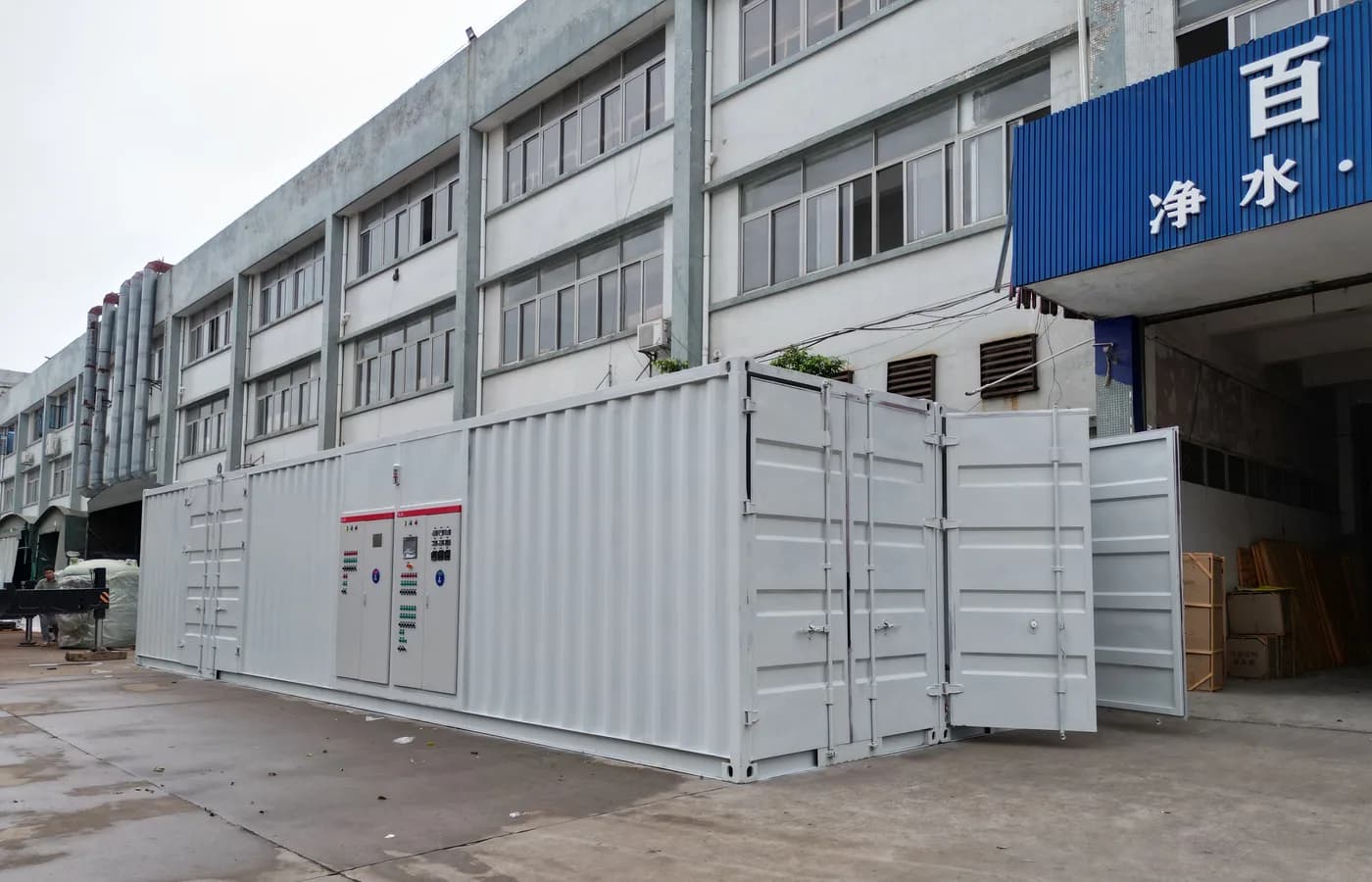
The photograph depicts industrial treatment equipment and a control panel as context; it does not show a validated chlorine instrument or prove membrane protection. Assess the actual offered analyzer through its method documentation, approved drawings and test evidence. An effective procurement package makes signal validity and sample delay visible to the operator. Those details are often as important as the range printed on the instrument's front panel.
Questions buyers commonly ask
Are free chlorine and total chlorine interchangeable measurements?+
No. Define the analyte from the source chemistry and membrane protection requirement, then select and validate an appropriate method.
Can ORP automatically replace a chlorine analyzer?+
Do not assume equivalence. ORP and direct chlorine methods measure different properties; establish their respective roles with the process designer.
What if the analyzer continues displaying a number after sample flow stops?+
Treat sample availability as a separate validity condition. Specify an explicit fault state and an approved response in the protective logic.
Does a fast analyzer guarantee fast protection?+
No. Account for sample transport, analytical cycles, controller timing, valve travel and the location of water already downstream.
Turn the guide into a project brief.
Final process selection and performance commitments should follow the complete feed-water analysis, application requirements, site utilities and approved technical agreement.