A polymer preparation package must deliver usable flocculant solution when the downstream process needs it. Matching a tank volume to a dosing flow is insufficient unless wetting, maturation, solution age and the chosen polymer grade are also defined.
Start from the selected polymer and conditioning duty
Identify whether the proposed flocculant is supplied as powder, emulsion or another liquid formulation. Obtain its preparation instructions and compatibility information from the chemical supplier. Product forms are not interchangeable merely because they produce solutions with a similar visual appearance. Record the downstream sludge or clarification duty, required solution delivery and acceptable concentration range. Establish who approves the grade so the equipment supplier is not expected to infer chemistry from a pump capacity.
Separate active polymer mass from commercial-product mass and prepared-solution volume. Use a consistent basis in the enquiry, trial records and operating display. A change in product concentration can otherwise make the same pump setting appear to represent an unchanged treatment dose. Provide the expected minimum and peak demand, including startup and production campaigns. The preparation system should be evaluated against that demand profile rather than an average daily consumption alone.
Define preparation and maturation separately
ProMinent's manual ULTROMAT description distinguishes powder wetting, mixing and a maturation period before dosing. This is useful context for the preparation sequence, not a universal recipe for every polymer. Ask the selected chemical supplier to approve the actual wetting method, concentration, mixing and time requirements. Document the sequence explicitly so the preparation equipment can be reviewed against the same chemistry used during conditioning trials.
Distinguish tank residence calculated from nominal volume from the age of the solution actually withdrawn. In a continuous arrangement, poor separation between compartments can allow newly introduced material to reach the outlet too early. In a batch arrangement, define the point at which the maturation timer starts and the conditions that invalidate it. Require drawings and a control narrative that explain how usable solution is distinguished from material still being prepared.
Send the feed-water analysis, target quality, required capacity and operating profile. We will help structure the next engineering questions.
Send your project inputsMake wetting and product feeding reliable
For powder, review feeder calibration, hopper conditions and the method used to distribute material into water. Poor initial wetting can leave agglomerates that remain troublesome downstream. Include the effects of humidity, packaging and operator handling in the layout review. Request safe access for replenishment and a method to detect interrupted feed. A turning screw or an enabled feeder command does not necessarily demonstrate that the intended mass of product entered the wetting system.
For emulsions, clarify the supplier-approved activation and dilution arrangement, transfer-pump compatibility and any requirements for handling concentrated product. Do not assume that the powder equipment's mixing sequence suits an emulsion. Specify what happens after a long idle period and how lines are cleared when the approved procedure requires it. Compare the exact preparation boundary across offers, including any proprietary activation device, rather than selecting solely from the volume of the final tank.
Review dilution water as a process input
Provide water quality, available pressure, temperature range and supply continuity at the preparation connection. Ask the chemical supplier whether the proposed water affects solution preparation or stability. If a pressure reducer, strainer or flow-control device is needed, include it within a named scope. Record the actual water addition so concentration can be verified. A nominal supply pipe size does not establish the flow achieved while other users are drawing from the header.
Define responses to low water flow, interrupted water supply and an incomplete fill. Prevent product addition from continuing into a condition that produces an unusable mixture or blocks the wetting route. Where post-dilution is required, distinguish it from initial preparation and identify the quality and pressure of that second supply. Include dilution and flushing water in the overall wastewater balance so a seemingly small chemical package does not add an unaccounted continuous hydraulic load.
Size for demand, age and operating continuity
Calculate useful prepared volume from approved solution concentration and downstream demand, then check the entire preparation cycle. Include filling, wetting, mixing, maturation, transfer and any cleaning time. Consider what happens when a batch is rejected or a tank is unavailable. Additional storage can provide continuity, but it also increases solution age. Resolve that tradeoff against the selected polymer's instructions instead of treating maximum stored volume as automatically beneficial.
Ask suppliers to show minimum usable inventory, reserve capacity and the boundary between a low-level warning and an inability to dose. In multiple-tank systems, define which vessel prepares, matures and supplies solution at each stage. Demonstrate changeover without feeding immature material. For continuous systems, explain how the offered geometry and controls address short-circuiting. The quotation should identify the actual useful output at peak demand, not only a theoretical tank turnover calculation.
Protect solution quality through delivery
Review mixers, transfer pumps, dosing pumps and connecting pipework with the chemical supplier. The goal is an operable preparation and delivery path consistent with the chosen product, rather than an assumed universal high-speed mixing strategy. Show where concentration is established and where any final dilution occurs. Include sampling points that permit inspection without exposing operators to uncontrolled spill or creating a stagnant branch that is difficult to clean.
Define flushing, drainage and cleaning procedures for tanks and lines. Polymer spills can create difficult housekeeping conditions, so contain foreseeable leaks and provide an approved cleanup method. Check seals, wetted materials and access for removing accumulated material. Specify how operators identify a batch that has exceeded its approved holding condition. An apparently full tank should not remain available for automatic dosing when its preparation history is missing or its suitability is uncertain.
Require batch records and meaningful fault tests
Record product identity, preparation concentration, water addition, mixing status, maturation completion and release to service. Link those records to downstream conditioning observations where practical. This helps distinguish a change in sludge from a preparation fault. A useful operator display identifies the current tank's state and the reason it is unavailable. Avoid a single ready indication that conceals whether a batch is incomplete, immature, too old or isolated for maintenance.
At acceptance, test missing product, low dilution water, failed mixing, interrupted power and an unavailable downstream pump. Check what happens if power returns during maturation or during transfer between tanks. Verify the physical sequence with the actual valve positions and level signals. Where a simulated test cannot demonstrate polymer preparation quality, state that limitation and complete the necessary wet test using the approved product before process acceptance is signed.
Prepare a polymer-package RFQ
Send Baihuipu the approved product information, conditioning trials, active-mass dosing basis, solution concentration, demand profile and site water data. Include replenishment methods, operator access, cleaning destination and required operating continuity. Request a proposal that explains the complete cycle and its usable output, supported by a state diagram and instrument list. Agree which chemistry decisions remain with the polymer supplier and which mechanical and control responsibilities belong to the package vendor.
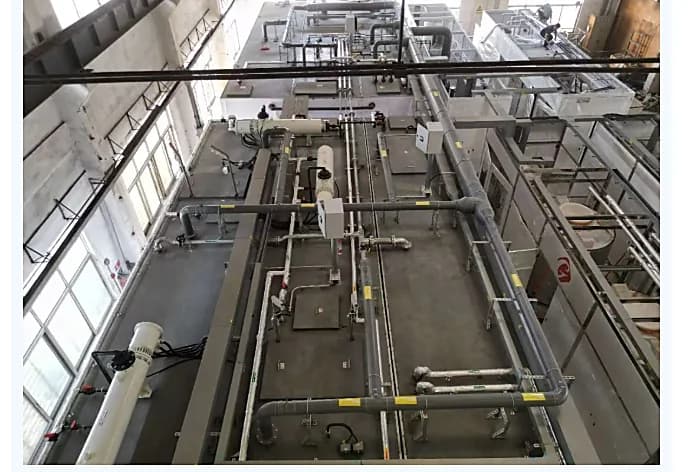
The image shows industrial wastewater equipment as manufacturing context; it does not identify a polymer preparation model or demonstrate floc quality. Confirm the selected package through its drawings and preparation tests. The related sludge and coagulation guides concern the receiving process, while this enquiry defines the quality and timing of the reagent supplied to it. Keeping that interface explicit makes later conditioning trials easier to interpret and equipment offers easier to compare.
Questions buyers commonly ask
Can every polymer use the same maturation time?+
No. Obtain approved preparation conditions for the selected grade and formulation. Do not transfer one product recipe to another without review.
Why is nominal tank residence insufficient?+
Actual solution age depends on the flow path and sequence. Show how the package prevents immature solution from reaching the dosing outlet.
Should dosage be expressed as solution volume only?+
Keep active mass, commercial-product mass and prepared volume distinct. Use the same basis in design, trials and operating records.
What happens to an incomplete batch after power failure?+
Define a recoverable state and release procedure. The system should preserve or re-establish preparation history before the batch becomes available for dosing.
Turn the guide into a project brief.
Final process selection and performance commitments should follow the complete feed-water analysis, application requirements, site utilities and approved technical agreement.