A cooling-water corrosion-monitoring package should connect its results to known alloys, representative water and a documented exposure history. Coupons and online probes provide different evidence, so procurement should define their installation, operating conditions and interpretation before readings are used to adjust a treatment programme.
State what the monitoring result must support
Identify the cooling-water circuits, equipment materials and decisions the monitoring programme will inform. Record current treatment chemistry, operating temperatures and known failure concerns. A general request for a corrosion meter leaves the supplier unable to assess whether the method and location address the actual question. Distinguish routine trend monitoring from investigation of a local failure or assessment of a particular alloy, because those objectives can require different evidence and interpretation.
Establish the plant team's responsibilities for reviewing results and making treatment changes. A monitoring skid measures conditions at its own exposure boundary; it does not automatically certify the condition of every heat exchanger or buried pipe. Include relevant inspection and operational evidence in the wider programme. Avoid using one convenient reading as a universal statement about equipment life. The procurement objective should be a repeatable source of useful corrosion evidence with clearly stated limits.
Distinguish coupon and online-probe evidence
Metal Samples describes coupon assessment through controlled exposure and subsequent weight-loss analysis. The result reflects metal loss over the recorded exposure interval. Online linear-polarization-resistance measurements provide a different time-dependent response within the method's suitable application conditions. Ask the supplier to identify exactly what each offered method reports, its units and its assumptions. Do not treat a short-term probe reading and an interval coupon result as interchangeable measurements simply because both displays use a corrosion-rate label.
Use complementary methods where the programme justifies them, with a plan for investigating disagreement. A changing process can make an interval average differ from the latest online observation without either being a simple calibration failure. Include localized attack and deposits in the interpretation where relevant. An average metal-loss rate can conceal features that matter to the asset. Define which observations, inspections or additional analyses are needed before the team makes an operational or maintenance decision.
Send the feed-water analysis, target quality, required capacity and operating profile. We will help structure the next engineering questions.
Send your project inputsChoose representative takeoff and return locations
Provide the cooling-water flow diagram, chemical injection points and the intended monitoring location. Review whether the sampled water represents the materials and service being assessed. A connection near a chemical injection point may experience a local concentration different from the main circuit. A stagnant branch may develop its own condition. Ask the supplier and treatment specialist to evaluate the proposed takeoff and return rather than selecting a convenient spare nozzle without reviewing its process meaning.
Specify the required bypass flow range and a practical way to observe it. Include pressure variation, branch resistance and the consequences of a closed valve or blocked line. Define whether the flow is continuous during the intended exposure period. A coupon record should show interruptions that change its representativeness. The monitoring boundary needs reliable circulation, but its hydraulic state should also remain appropriate to the approved method rather than be adjusted simply to produce a more favourable result.
Match coupons and holders to the programme
Specify the alloys and documentation needed to connect each coupon to the intended material assessment. Record identification, preparation, initial measurements and exposed area using the approved method. Review holder compatibility, orientation and isolation details. Avoid assuming that any piece of nominally similar metal provides equivalent evidence. The monitoring programme needs a controlled specimen and exposure record so differences between periods can be interpreted against the actual material, installation and handling conditions.
Establish coupon insertion and removal responsibilities, access and appropriate procedures for the installed pressure and temperature. Request an achievable replacement schedule based on the programme's objectives and analytical method. Include transport and handling after removal. A coupon can lose evidential value if it is unidentified, damaged or cleaned without a controlled procedure before analysis. Procurement should cover the complete measurement chain, not only a rack delivered with untraceable pieces of metal already installed.
Check online-probe application limits
Ask the supplier to assess LPR suitability for the actual water conductivity, chemistry and expected condition. Obtain the required electrode materials, configuration and instrument settings. Define what indicates an unsuitable measurement or maintenance state. The method's electrical response needs an appropriate application basis; a stable numeric output should not be accepted without understanding the conditions under which it can be interpreted as useful corrosion information for this cooling-water circuit.
Review installation, cleaning and electrode replacement against the offered manufacturer's requirements. Include deposits, electrical interference and hydraulic changes in the application review where relevant. Establish how the control system receives measurement validity and how it displays unavailable data. If the probe is proposed as an input to automatic chemical adjustment, define and justify that role with the responsible treatment specialist. Do not allow an isolated or invalid reading to cause unrestricted reagent changes without an approved response strategy.
Make analysis and records defensible
Agree coupon cleaning and post-exposure assessment with a qualified laboratory or service provider. Record exposure start and end, interruptions, operating observations and the condition of the specimen before cleaning. Weight-loss interpretation depends on appropriate preparation and removal of corrosion products without an uncontrolled change to the underlying material. Include photographs or additional examination where the programme requires them, and preserve results with the coupon identity rather than a generic monthly number.
Record water chemistry, operating conditions and treatment changes alongside coupon and probe observations. Keep units and calculation basis consistent. A treatment change midway through an exposure interval complicates attribution of an average result, so document it explicitly. Compare periods with awareness of season, load and operating duration. The aim is useful interpretation of measured evidence, not a numerical league table whose apparent improvement could result from a changed location, alloy, flow or incomplete exposure record.
Define control, maintenance and acceptance
Specify bypass isolation, flushing, drainage and any temperature or pressure constraints affecting routine service. Include the consequence of a leak and the route for removed water. Review access without interfering with nearby operating equipment. If the monitoring circuit is temporarily shut down, identify its unavailable state in the plant records. A retained online value or an unmarked stagnant coupon exposure should not be presented as representative ongoing information about the actively circulating cooling-water system.
Acceptance should establish correct materials, identification, installed flow, signal mapping and measurement-validity handling. Separate those installation checks from the time needed to obtain meaningful exposure results. Do not demand an immediate coupon corrosion outcome at mechanical handover. Agree the later analytical review and the operating evidence required for it. A complete acceptance plan defines how the package begins a reliable monitoring programme and who owns interpretation after sufficient representative exposure has actually occurred.
Prepare the corrosion-monitoring enquiry
Send Baihuipu circuit drawings, alloy information, chemistry and operating histories, monitoring objectives and existing failure observations. Include takeoff conditions, flow requirements, available space and analytical-service expectations. Request an integrated rack, specimen, probe, signal and documentation scope. Identify which decisions each measurement supports and which remain dependent on broader asset evidence. This gives bidders a common monitoring boundary and prevents a low equipment price from concealing specimen analysis or service responsibilities.
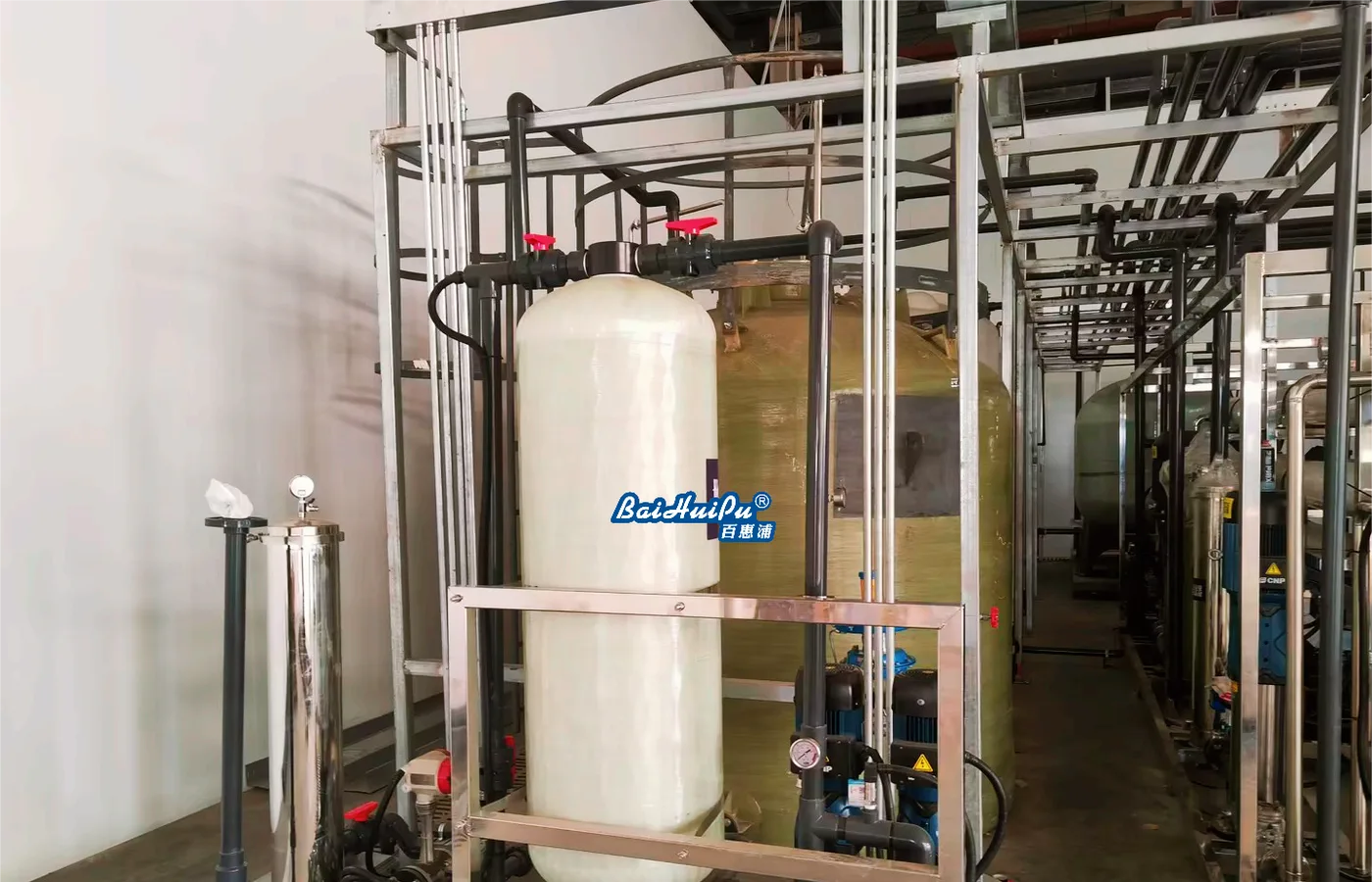
The featured photograph shows industrial water-treatment equipment and piping as context, not a corrosion rack or proof of metal-loss performance. Use the offered materials, installation records and measured exposure results for assessment. The linked cooling-water guides address solids and reuse boundaries. Keeping those duties distinct helps the purchaser connect filtration, chemistry and corrosion observations without implying that one monitoring value proves future equipment life or guarantees that every part of the cooling circuit is free from localized attack.
Questions buyers commonly ask
Are a coupon result and an instantaneous LPR reading equivalent?+
No. They represent different measurement mechanisms and time boundaries. Interpret them with their operating and exposure records.
Can one bypass represent every cooling-water asset?+
Do not assume it. Review water location, alloys, temperature, flow and local conditions against the monitoring objective.
Why record shutdowns during coupon exposure?+
Interrupted or stagnant conditions can change representativeness and complicate comparison with periods of continuous circulation.
Does a low average corrosion rate rule out local damage?+
No. Localized attack, deposits and asset-specific conditions may require additional examination and interpretation beyond an average rate.
Turn the guide into a project brief.
Final process selection and performance commitments should follow the complete feed-water analysis, application requirements, site utilities and approved technical agreement.