A hot-water sampling panel must deliver a representative, suitably conditioned stream while controlling its thermal and pressure hazards. Procurement should cover the full inlet envelope, cooling-water utility, pressure-reduction arrangement, protective shutoff and the actual conditions required by each receiving analyzer.
Define the full source and analyzer boundary
Provide the actual sample source, normal and maximum pressure, temperature and phase conditions. Include startup, shutdown and abnormal utility states that the panel must accommodate. Identify the analytes and the measurements each receiving instrument requires. A description such as boiler-water sample does not establish a mechanical or thermal design envelope. The supplier needs the source conditions and desired outlet state before selecting a cooler, pressure-reduction device or instrument branch arrangement.
Define whether the panel serves continuous instruments, grab sampling or both. Include the intended sample-flow range and the source-to-panel distance. The panel must condition the sample without losing the property of interest or delivering unsuitable conditions to instruments and operators. Avoid assuming that a general water connection can serve as a safe and representative sample point merely because it provides enough flow. The complete route and receiving decision should determine the proposed design.
Establish the thermal duty for real utilities
Calculate cooling duty from the source conditions, sample flow and required outlet condition. For relevant sources, include phase change and the actual thermodynamic state rather than treating every sample as low-temperature liquid. Obtain the offered supplier's calculations and operating limits. Sentry identifies sample cooling as a necessary part of delivering suitable conditions to water-analysis systems. Use project-specific inlet and coolant data to select equipment rather than transferring one published example to a different utility plant.
Provide cooling-water inlet temperature, pressure, quality and available flow across seasons. Include simultaneous demand at a multi-line panel. A cooler capable of meeting the target with unusually cold water may not establish acceptable operation during the site's hottest cooling-water condition. Request the achievable outlet envelope and identify whether secondary conditioning is required. Keep predicted thermal duty separate from demonstrated site performance, and record which conditions remain dependent on the owner supplying the defined utility.
Send the feed-water analysis, target quality, required capacity and operating profile. We will help structure the next engineering questions.
Send your project inputsCoordinate cooling and pressure reduction
Ask the supplier to show the order and purpose of sample isolation, cooling, pressure reduction, flow control and instrument distribution. Review flashing and two-phase conditions through the proposed arrangement with the responsible engineers. Do not improvise pressure reduction by throttling an isolation valve that was selected for another purpose. Each component should be suitable for the pressure, temperature and function at its actual location in the panel and during the relevant operating transitions.
Obtain materials, ratings and the basis for any staged conditioning. Include the consequence of a blocked sample outlet and the behaviour of trapped liquid. Review connections and support for thermal movement. A small sample tube can still carry high-energy water, so its apparent size should not be used to dismiss the source design envelope. The quotation should explain the complete mechanical boundary and identify any owner-supplied protective provisions needed beyond the panel's inlet and outlet connections.
Define cooling-water-side protection and drainage
Review cooling-water loss, restricted flow and inappropriate pressure with the offered cooler design. Include the potential effect of a sample-side leak on the cooling-water boundary and the appropriate protective measures determined by the design. Ask who supplies relief, isolation and drainage components. The cooling circuit should not be treated as a simple low-risk accessory independent of the high-energy stream with which it exchanges heat. Obtain a coordinated arrangement and clear installation instructions.
Provide practical drainage and discharge locations for cooling water, sample waste and approved maintenance activities. Include the temperature and flow the receiving route must accommodate. Avoid an open-ended instruction to connect everything to a nearby drain without checking the site's actual receiving capacity. Review maintenance isolation and the condition left inside the cooler. The panel needs an operable way to stop, inspect and return to service while preserving its designed thermal and pressure boundary.
Specify protective thermal shutoff
Identify the maximum permitted sample temperature for the downstream equipment and access arrangement. Request the manufacturer's proposed thermal shutoff or other appropriate protective design, including sensing location, action and restart requirements. Distinguish a temperature alarm displayed on the control system from a device that actually interrupts unsuitable sample delivery. Define what remains pressurized or hot after operation so the protective state is understood by maintenance and operating staff.
Agree approved testing or simulation of cooling loss and high-temperature response. Include restoration of cooling and any required manual review before sample flow resumes. A protective device should not be bypassed simply to keep an analyzer supplied during an unresolved cooling problem. Record the actual configuration and its service requirements. The purchase should make the installed response reviewable without relying on unproven assumptions that an operator will always notice an abnormal displayed temperature in time.
Preserve the analytical property of interest
Review sample-line materials, residence time and handling against each analyte. Oxygen, trace contaminants and other measurements can be sensitive to air entry, contamination or transport effects. The linked analyzer guides address those specific duties. A sample panel that safely cools water can still deliver analytically unrepresentative water if the route changes its composition. Ask the analytical specialist to review the complete conditioned path rather than accepting mechanical suitability as proof of measurement quality.
Define how instruments share a sample and whether one branch can disturb another. Include flow requirements, backpressure and waste routing. Distinguish process response delay from analyzer response, and record which delay applies to the control decision. If a grab-sample branch opens to atmosphere, assess its effect on the other measurements. The receiving system should know when a sample has stopped or become unsuitable instead of treating a steady historical reading as a current description of the industrial utility.
Make operation and service observable
Specify the pressure, temperature and flow indications needed to establish an acceptable sample state. Provide access for setting and checking those conditions without exposing staff to an unreviewed discharge. Identify valves and instruments clearly and include the approved operating sequence. A panel with many small components needs documentation that matches its actual tubing and tags. Otherwise, local adjustments can undermine the coordinated cooling and pressure conditions on which downstream measurements and protection depend.
Review cooler cleaning, deposit inspection and component replacement against water quality and manufacturer instructions. Include spare parts and the checks needed after service. Acceptance should verify source and utility conditions, installed outlet state, signal mapping and protective responses under an approved test plan. Separate mechanical completion from analyzer calibration and analytical validation. These activities support each other, but successful operation of one branch or one temperature indicator does not establish every measurement and operating condition across the complete panel.
Prepare the sampling-panel enquiry
Send Baihuipu source conditions, analytes, required instrument flows, outlet limits and cooling-water histories. Add source-to-panel routing, drain capacity, access constraints and the plant monitoring interfaces. Request a coordinated thermal, mechanical and analytical boundary with explicit owner utilities. Agree commissioning cases and retained calculations for untested extremes. The useful offer is a complete conditioning and protection arrangement with evidence appropriate to the actual source, rather than a list of coolers sized against unstated assumptions.
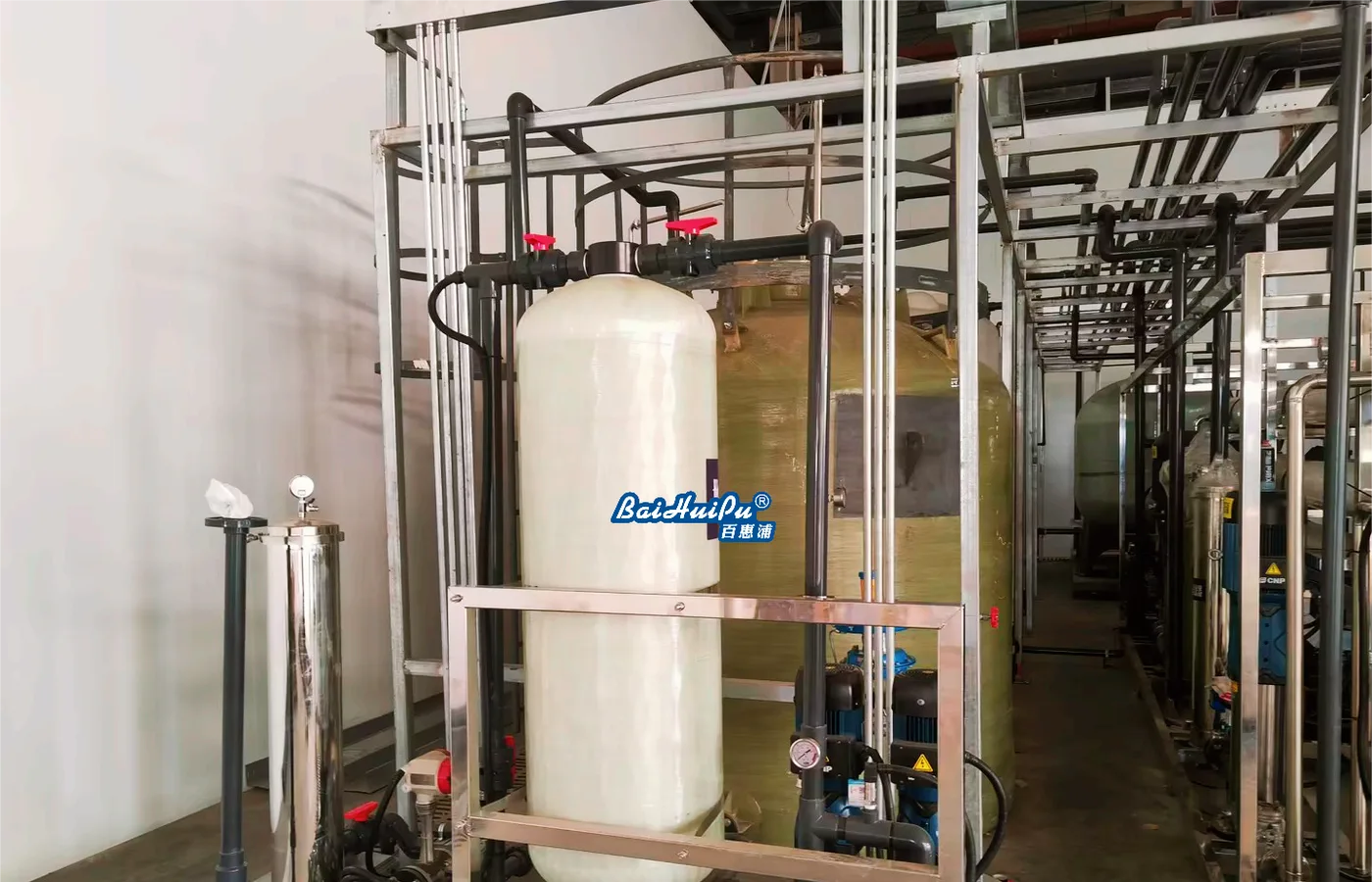
The featured photograph shows industrial water-treatment piping as context, not a high-energy sampling panel or proof of a thermal protective function. Use offered component records and installed test evidence for acceptance. The linked silica and dissolved-oxygen articles describe different analytical questions after conditioning. Connecting those requirements to the panel's thermal and pressure design helps the purchaser obtain representative information while avoiding unsupported claims that a cooled sample automatically preserves every analyte or is suitable for every instrument.
Questions buyers commonly ask
Can a sample cooler be selected from inlet temperature alone?+
No. Include pressure, phase, sample flow, outlet requirement and the available cooling-water envelope.
Is a displayed high-temperature alarm the same as shutoff?+
No. Define the actual protective action, sensing location, remaining conditions and restart requirements for the offered design.
Does safely cooled water automatically provide a valid oxygen sample?+
No. Sampling materials, air entry, residence and analyzer conditions can alter the property being measured.
Why review shared instrument branches?+
Flow and pressure changes or an open grab-sample route can disturb other measurements. Verify the complete sample-distribution arrangement.
Turn the guide into a project brief.
Final process selection and performance commitments should follow the complete feed-water analysis, application requirements, site utilities and approved technical agreement.