Industrial RO shutdown planning should define what protects the membranes while the plant is inactive and what evidence permits a restart. An outage date alone is not a preservation specification. Establish the membrane condition, approved layup method, monitoring duties and restart sequence before maintenance, seasonal shutdown or delayed commissioning leaves the system unattended.
Classify the inactive period before selecting a method
Identify whether the system is entering a short production pause, prolonged standby, transport after testing or storage before commissioning. Record the anticipated duration, site temperature range and availability of power, suitable water and trained personnel. These conditions determine what procedures are practical. A method that depends on regular attendance or automatic flushing should not be selected for an unattended location without checking that the required utilities and supervision will remain available throughout the inactive period.
Obtain current written guidance for the exact installed membrane model and distinguish unused packaged elements from elements already wetted or operated. DuPont's FilmTec manual addresses shutdown and preservation separately from storage of new elements. Its procedures are product-specific. Use that distinction to frame the review, while having the selected membrane supplier approve the actual duration limits, fluids and conditions. Do not transfer instructions between membrane types merely because both are used in reverse osmosis.
Establish membrane condition and preserve the operating baseline
Before shutdown, collect the available operating record, feed-water conditions, flow, pressure, temperature and quality measurements. Identify existing alarms, leaks and unresolved performance changes. Where normalized performance records are available, retain them with the outage file. This gives the owner a defensible comparison after restart and avoids attributing a longstanding problem to preservation work. Record the membrane model, loading arrangement and any recent replacement or cleaning that affects the interpretation of that baseline.
Ask the supplier whether the membranes require cleaning before the approved layup procedure. Preservation should not be assumed to remove existing deposits or restore lost performance. If cleaning is needed, agree it as a separate preparation activity with its own procedure, acceptance and waste handling. Record completion and the permitted interval before preservation begins. A signed checklist should identify the actual starting condition, including any uncertainty, instead of declaring the train clean solely because production has stopped.
Send the feed-water analysis, target quality, required capacity and operating profile. We will help structure the next engineering questions.
Send your project inputsDefine the physical preservation boundary and connections
Mark the membrane stages, associated piping and equipment included in the layup scope on a controlled drawing. Identify connections to upstream pretreatment, product-water storage, cleaning equipment and drains. Show where isolation is required to prevent unwanted transfer between preserved and operating sections. Each side of the boundary needs a clear operating state. For example, another train remaining in production must not inadvertently refill, dilute or pressurize equipment that has been placed under a separate preservation procedure.
List the approved filling, circulation, venting, sampling and draining connections required by the method. Check whether existing cleaning connections are suitable rather than assuming they provide complete coverage of the preservation volume. Ask how the supplier will establish that the intended membrane sections are reached and unwanted trapped volumes are addressed. Include compatible temporary hoses, labeling and connection control in the work scope, with a plan for their removal or secure isolation after the task is complete.
Specify fluids and compatibility without generic recipes
Have the membrane and system suppliers approve the preservation fluid, preparation water, concentration, condition limits and renewal criteria for this duty. Include seals, pumps, instruments and any connected equipment in the compatibility review. The fact that a chemical is familiar elsewhere in water treatment does not establish that its formulation, grade or use condition is appropriate for membrane layup. Require a written preparation and verification procedure rather than an informal instruction to add a quantity to a tank.
For the selected method, identify the measurements used to verify the prepared fluid and monitor it during storage. DuPont's FilmTec guidance includes controls for its specified preservation solution and the protection of membranes during inactivity. Follow the applicable current supplier procedure for the installed elements instead of treating an example as a universal recipe. Chemical handling, containment, ventilation and disposal must also follow the site's approved arrangements and the relevant product information for the actual materials used.
Assign monitoring tasks for the entire shutdown
Make the preservation plan an ongoing responsibility, not only a completion certificate on the first day. Define inspection frequency, required measurements, permissible conditions, renewal triggers and the person authorized to respond. Include a record of dates, observations and corrective actions. State which checks require site attendance and how access will be maintained during a factory holiday, construction delay or contractor handover. A plan that has no named owner after the commissioning team leaves is incomplete.
Address loss of utilities, leakage, unexpected temperature exposure and an outage that becomes longer than originally planned. Define who is contacted and which supplier review is required when approved conditions cannot be maintained. Use the manufacturer's current storage limits and monitoring instructions for the equipment. Do not assume that an isolated skid remains protected indefinitely or that a previous service visit establishes its condition weeks later without evidence from the intervening period.
Protect the site interfaces and prevent unintended operation
Coordinate preservation with the plant's isolation, lockout and maintenance controls. Identify automatic starts, remote commands and connected pumps that could disturb the inactive equipment. Show the preserved state clearly at the operator interface and on relevant physical connections. A tank-level signal or production request should not be able to start an unreviewed preserved train. Any retained automatic function must have a defined purpose and be compatible with the approved method and site safety procedure.
Review where displaced water, used preservation fluid and restart flushing water will go. Provide capacity and an approved disposal route before work begins, especially where production drains or treatment facilities will also be unavailable during shutdown. Keep the product-water system protected from unintended chemical transfer. Document the isolation and restoration steps so different contractors do not work from conflicting assumptions about which lines contain process water, cleaning fluid, preservation fluid or an empty volume.
Write restart acceptance before the plant is laid up
Agree a restart checklist covering preservation records, equipment condition, restored utilities, valve alignment, instruments and removal of temporary arrangements. Obtain the manufacturer's approved flushing and startup procedure and define how the absence of unacceptable carryover will be established for the process. Product release should follow the site's water-quality requirements and valid measurements. A satisfactory appearance or a single conductivity reading should not be assumed to address every relevant property of a previously preserved train.
Record the feed conditions and stable operating measurements after restart, then compare them with the retained baseline using the supplier's recommended interpretation. Investigate discrepancies before changing production settings to force the old flow rate. Check instrument condition, operating temperature, actual valve alignment and upstream water changes as part of that review. Retain the restart record with the outage file, including unresolved items, quality-release authorization and any follow-up service recommended by the membrane or system supplier.
Procure a complete layup and restart service scope
Provide bidders with membrane details, system drawings, operating history, expected outage conditions, utility availability and the site attendance plan. Request separate scope for assessment, preparation, preservation, periodic checks, consumables, disposal and restart support. Ask for supplier approval of the method and a clear allocation of tasks between contractor and owner. Compare proposals over the whole inactive period; a low initial service price may exclude the repeated measurements or return visits that the selected method requires.
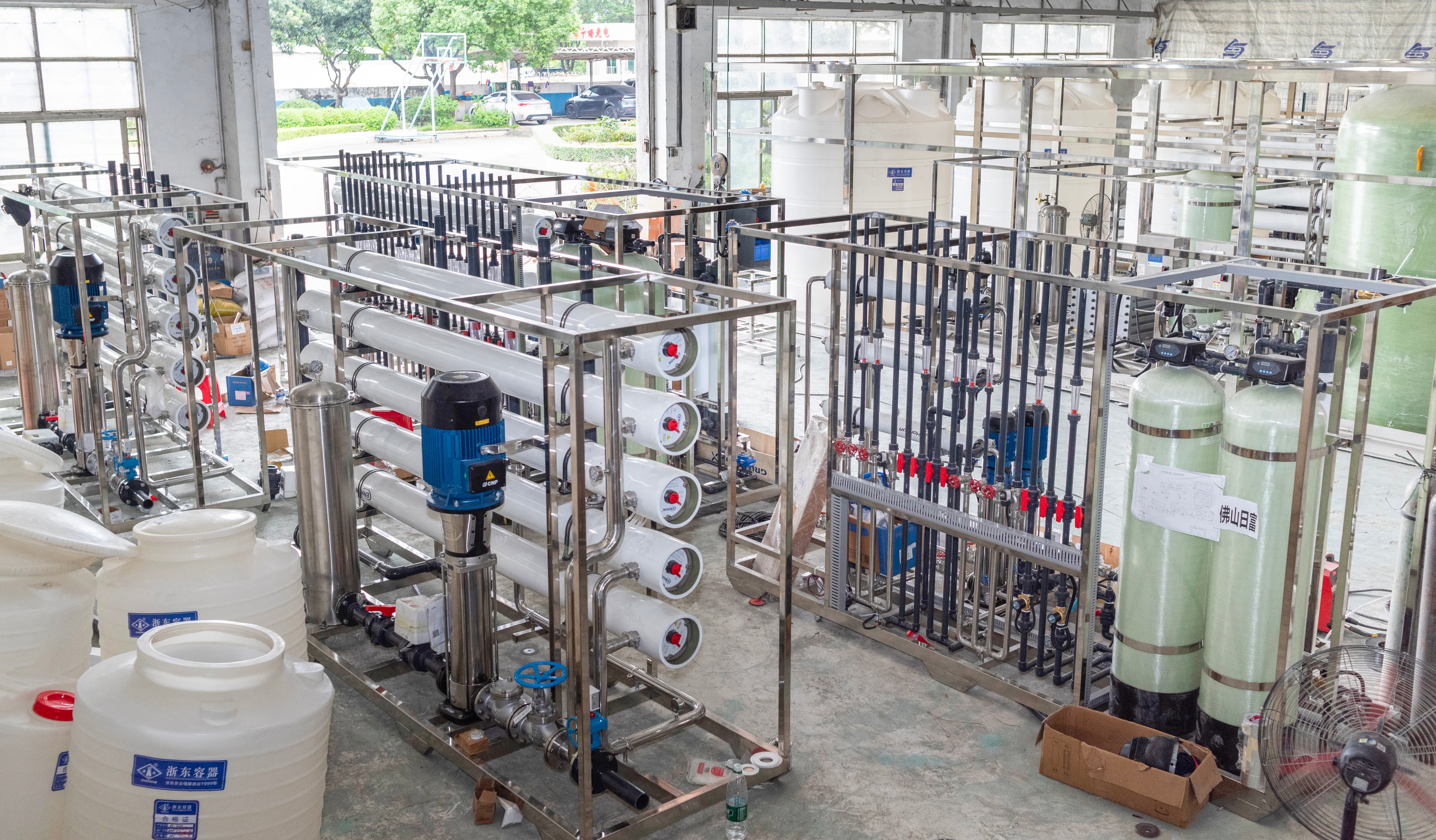
The featured industrial RO image illustrates membrane-system context rather than proving the condition or preservation status of a particular installation. Send Baihuipu your membrane model, planned shutdown dates, water analysis, available operating baseline and site utility restrictions for a coordinated review. A practical proposal should identify the approved method, responsibilities, evidence to retain and restart criteria. That makes preservation a controlled maintenance scope and gives operations a clear basis for deciding when the train can return to service.
Questions buyers commonly ask
Is RO membrane preservation the same as cleaning?+
No. Cleaning addresses deposits under an approved procedure, while preservation protects the membrane during inactivity. The supplier may require cleaning as preparation before a particular layup method.
Can one preservation recipe be used for every RO membrane?+
Use the current instructions for the exact membrane and review compatibility with the full system. Fluid formulation, water quality, temperature, duration and monitoring requirements can differ.
Who should inspect an RO system during a long shutdown?+
Name an owner or contractor responsible for the checks, records and response required by the approved plan. Confirm access and attendance for the entire shutdown, including extensions.
What evidence is needed before releasing water after restart?+
Use the approved restoration and flushing procedure, acceptable instrument status, the relevant water-quality checks and documented release criteria. Retain restart measurements and compare them with the pre-shutdown operating baseline.
Turn the guide into a project brief.
Final process selection and performance commitments should follow the complete feed-water analysis, application requirements, site utilities and approved technical agreement.