A thermal deaerator should be specified from the combined makeup-water and returned-condensate duty, available steam and boiler-feed arrangement. The package needs an agreed gas-removal basis and representative oxygen verification across the operating range, not just a nominal tank capacity.
Define the boiler-feedwater requirement
Obtain the boiler and steam-cycle water requirements from the responsible equipment and chemistry specialists. Identify the dissolved gases to be controlled and the conditions at the deaerator outlet. Mechanical deaeration belongs within a broader boiler-water programme; it is not a substitute for all makeup treatment or chemistry control. Keep the required gas measurement and any chemical treatment contribution explicit so acceptance does not confuse the performance of separate functions.
Describe the equipment receiving feedwater and the operating consequences of reduced deaerator availability. Include the flow range, production calendar and expected boiler combinations. A nominal maximum rate does not establish the duty during startup or low steam demand. Ask suppliers to state the operating envelope they can support and the assumptions behind it. This gives the buyer a basis for comparing complete packages rather than selecting a vessel solely by its labelled hourly capacity.
Combine makeup and returned-condensate conditions
Provide flow, temperature, pressure and quality information for each incoming water stream. Distinguish cold makeup from hot returned condensate and include plausible variations in their proportions. The heat needed to condition the combined feed changes with those inputs. Ask how the supplier's calculation treats reduced condensate return, startup and interruptions. A proposal based on an optimistic average return temperature can understate the steam requirement under the conditions that matter most to plant operation.
Review condensate suitability before returning it to the feedwater system. Process contamination, oil or other unacceptable constituents need their own assessment and response; heating does not automatically make contaminated condensate suitable. Identify sample points and diversion responsibilities at the return boundary. Keep the deaerator enquiry connected to that quality decision. Where return conditions remain uncertain, request a range assessment and clearly state the feed assumptions instead of allowing unknown condensate to be treated as consistently clean hot water.
Send the feed-water analysis, target quality, required capacity and operating profile. We will help structure the next engineering questions.
Send your project inputsUnderstand the thermal contact mechanism
The Veolia handbook describes heating and contact with steam as part of releasing dissolved gases, with venting removing noncondensable gases from the system. It also distinguishes tray and spray configurations. These principles explain why steam conditions, distribution and venting belong in the purchase specification. They do not establish a universal removal number for a new installation. Request the selected manufacturer's process basis and the conditions attached to any offered gas-removal commitment.
Compare proposed internals against the stated flow range, feed temperature and maintenance arrangement. Ask how the design distributes water and steam and what behaviour is expected during reduced load. Request access for inspection and replacement of relevant internals. Avoid treating a preference for one configuration as a complete design argument. The useful question is whether the specific offered arrangement can demonstrate the required outlet condition over the agreed envelope with the available plant utilities.
Specify steam and vent interfaces
State the available steam supply conditions and their variation. Request a heat and mass balance that identifies the demand associated with each agreed operating case. Include control-valve requirements, pressure regulation and condensate or drain interfaces within the appropriate supply boundary. Ask the supplier to distinguish normal estimated consumption from conditions that require a different operating response. Compare quotations on the same incoming-water conditions rather than contrasting unrelated headline steam figures.
Define the vent arrangement with the responsible engineering disciplines and the manufacturer's requirements. Noncondensable gas removal is part of the process, so an unreviewed restriction or operating change can affect the result. Include routing, maintenance and the effect of any connected recovery equipment. Do not prescribe an arbitrary vent setting in the enquiry. Request an approved operating basis and make its responsibility visible in both the process documents and the site interface schedule.
Coordinate storage and feed-pump suction
Separate the deaeration duty from the usable storage requirement. Specify normal and limiting water levels and the purpose of the available inventory during changes in makeup or boiler demand. Gross vessel volume is not the same as usable feedwater reserve. Ask the supplier to show the operating levels and connection elevations so the owner can assess continuity and control behaviour on a common basis across competing offers.
Review feed-pump suction with the pump and deaerator suppliers using actual temperature, pressure, elevation and line losses. Hot water conditions make this interface materially different from an ambient storage tank. Include minimum operating level, startup and any recirculation connection in the assessment. Do not assume that a large vessel or elevated support alone establishes suitable suction conditions. The final design should assign responsibility for the connected calculation and confirm that installed elevations match the approved basis.
Define controls for changing load and utilities
Write level, steam and flow-control functions with clear ownership and response to unavailable signals. Identify startup permissions, abnormal level responses and the behaviour after power or utility loss. Review how the system behaves when hot condensate continues arriving while other flows stop. Each function should serve the actual hydraulic and thermal arrangement. A standard controller list is insufficient without a narrative explaining how the package remains operable during the site's credible transitions.
Include local indication and operator access for the conditions needed to interpret gas-removal performance. Keep operating records of inlet streams, relevant temperatures, pressures, flows and unusual events. Define which settings are approved process parameters and how changes are controlled. If a chemical programme is coordinated with the package, identify injection and measurement boundaries. This helps operators distinguish a mechanical deaeration issue from an unrelated chemistry or sampling problem when an oxygen result changes.
Verify oxygen with a representative sample
Agree the oxygen measurement boundary with the process and chemistry specialists. Locate the sample relative to any oxygen-scavenging chemical addition so the result represents the function being accepted. A downstream low reading may reflect more than the mechanical deaerator. Use an appropriate sampling system that preserves the relevant condition and an analytical method capable of supporting the required decision. Open or poorly controlled sampling can undermine an otherwise carefully designed acceptance test.
Specify acceptance cases covering the agreed operating range and water inputs. Record actual steam and water conditions with the oxygen observations. Separate fabrication checks, installed functional tests and process acceptance into clear milestones. Where a required seasonal or load condition cannot be demonstrated at commissioning, document the limitation and follow-up basis. Do not present one convenient high-load sample as proof that every specified operating case has been verified.
Prepare the deaerator enquiry and handover
Send Baihuipu makeup and condensate profiles, boiler demand, available steam conditions, required outlet quality and the proposed site layout. Include storage continuity needs, pump suction data and acceptance methods. Request drawings, balances, control narratives and maintenance access with a clear statement of remaining engineering responsibilities. The related pure-water design guide supports upstream makeup treatment, while the storage guide helps frame inventory and distribution questions that remain distinct from thermal gas removal.
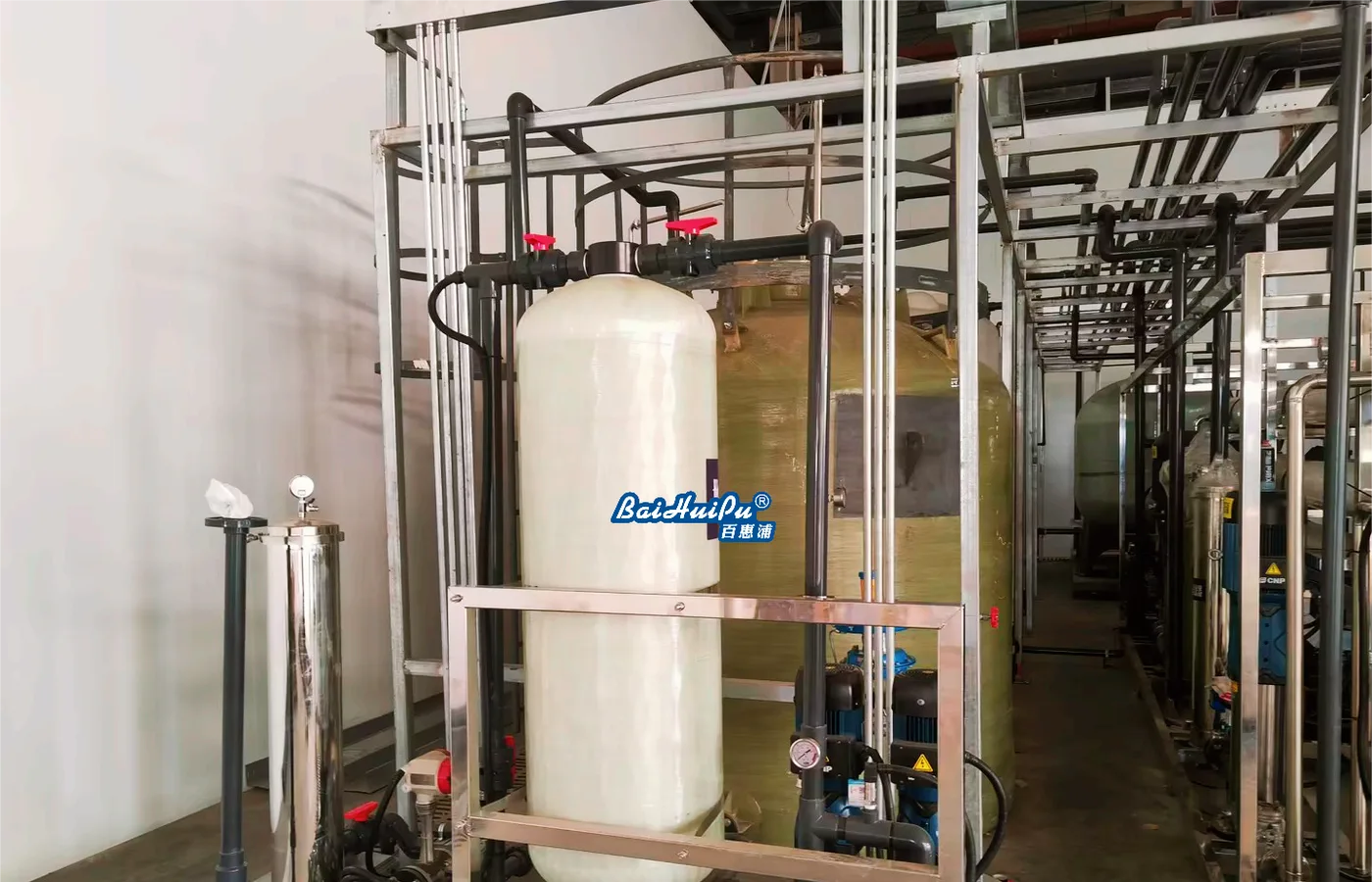
The featured photograph illustrates industrial vessels and storage as context; it does not depict a thermal deaerator or demonstrate dissolved-oxygen performance. Confirm the actual package through approved drawings and representative acceptance data. A complete purchase connects steam, water, gas removal and feed-pump operation on one documented boundary. That allows the owner to compare proposals using the conditions the boiler plant will actually experience throughout its operating schedule.
Questions buyers commonly ask
Does thermal deaeration replace makeup-water treatment?+
No. Dissolved-salt and other quality requirements need their own appropriate treatment stages.
Why include makeup and condensate temperature ranges?+
Their changing proportions and temperatures affect the package heat balance and steam requirement.
Where should oxygen acceptance be measured?+
Agree a representative boundary that distinguishes mechanical deaeration from any downstream chemical contribution.
Is gross vessel volume the usable reserve?+
No. Use the approved operating levels and connected feedwater conditions to define usable storage.
Turn the guide into a project brief.
Final process selection and performance commitments should follow the complete feed-water analysis, application requirements, site utilities and approved technical agreement.