BHP INSIGHTS

Industrial Water Treatment Insights - Page 13

Popular searches:
ALL ARTICLES

Latest Insights

Explore technical guides, application knowledge and engineering considerations for industrial water treatment projects.

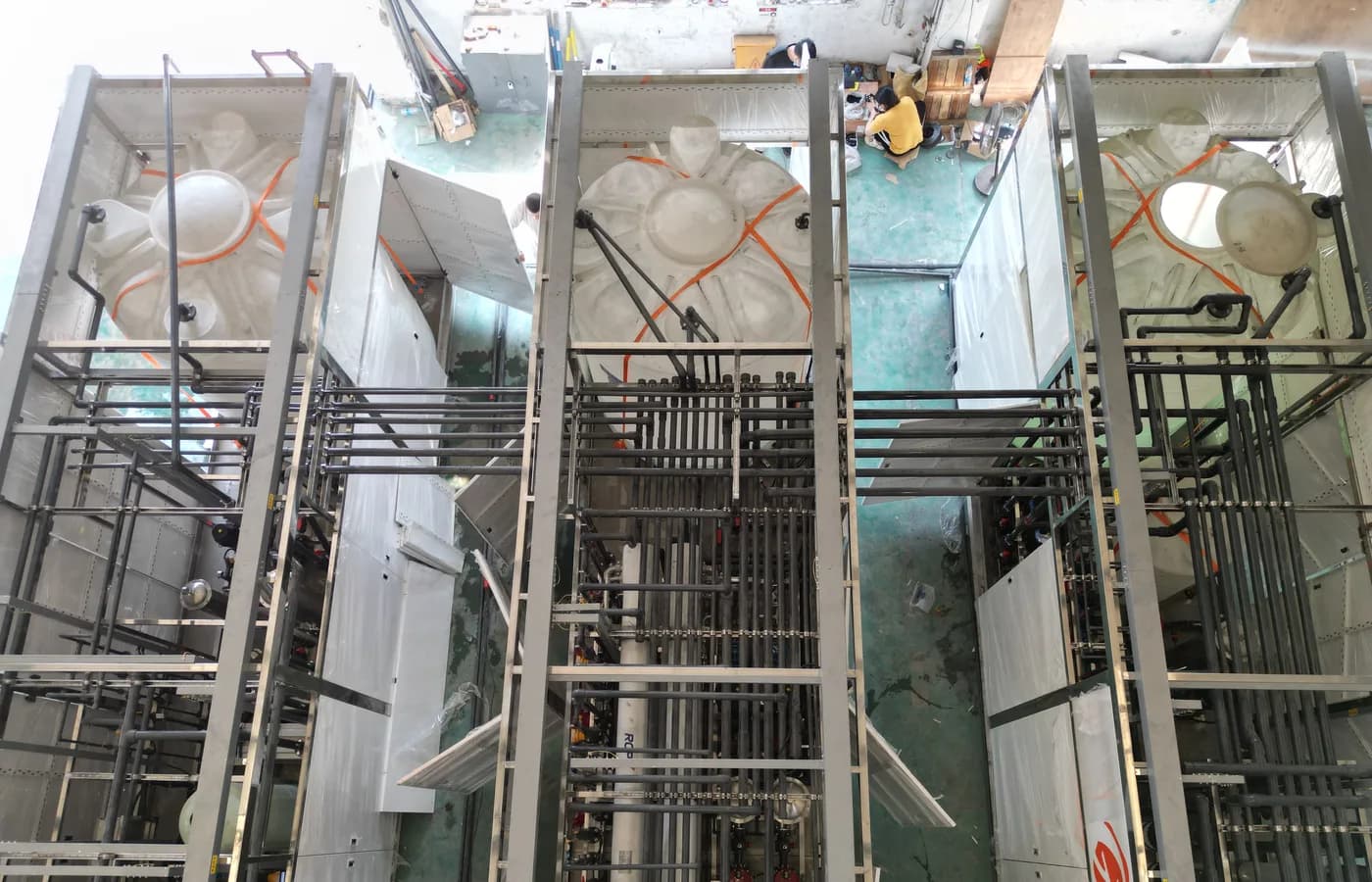
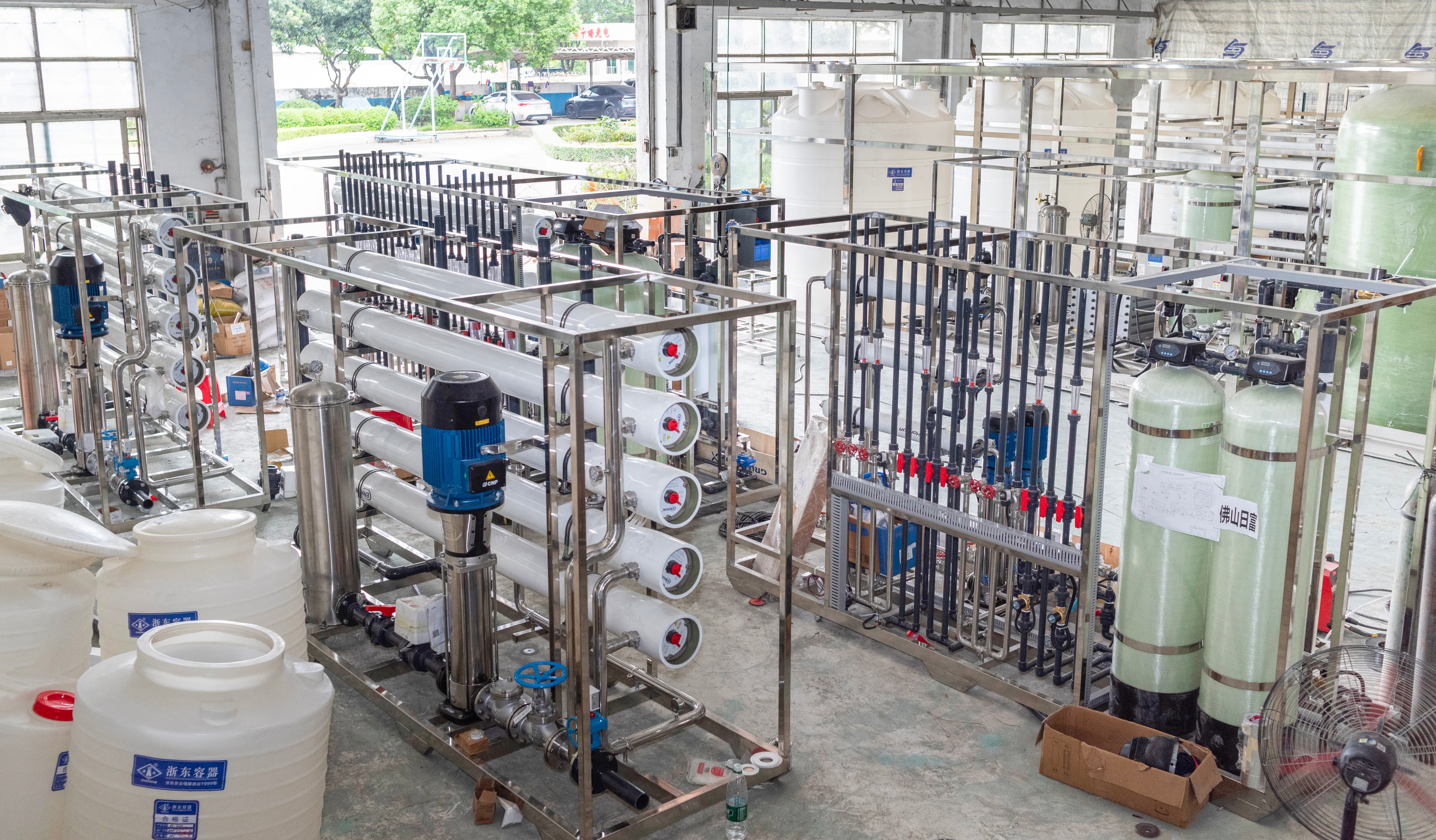
Industrial water-treatment equipment layout viewed from above during assemblyEngineering & ProcurementOctober 14, 20268 min read

Filter Presses for Industrial Wastewater Sludge: Dry-Solids Duty and Procurement Tests

A filter press for industrial wastewater sludge should be selected from measured solids loading and representative dewatering tests. Sludge volume, chamber volume and advertised cake dryness are different quantities. A useful procurement specification connects them through the complete operating cycle, conditioning requirements, filtrate route and the site's practical cake-handling arrangement.

Read Article
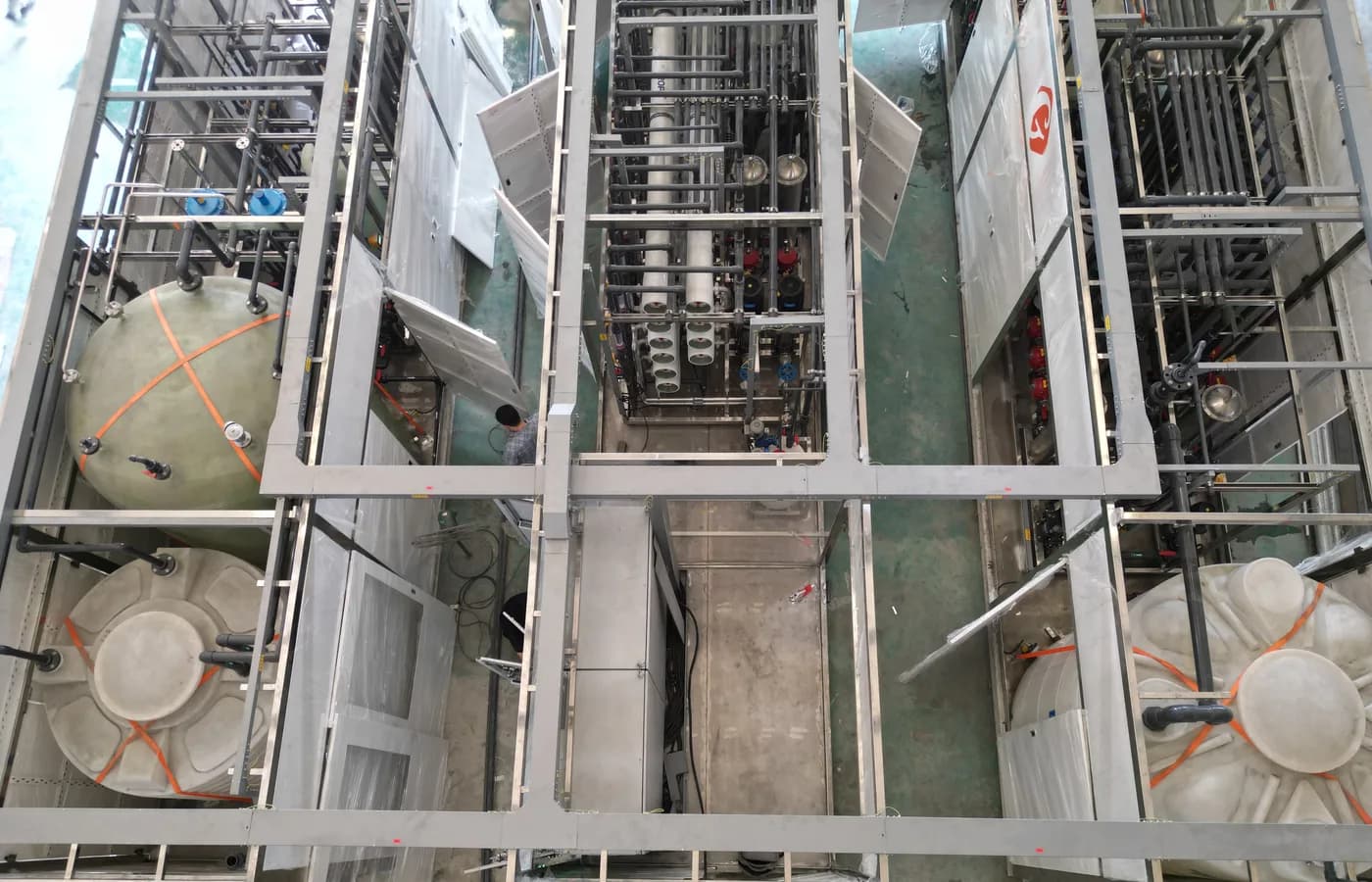
Industrial water-treatment piping and membrane equipment during factory assemblyEngineering & ProcurementOctober 14, 20268 min read

Industrial Wastewater pH Neutralization Systems: Titration, Mixing and Release Control

An industrial wastewater pH neutralization system needs more than a pH setpoint and two dosing pumps. The design should connect representative chemical-demand tests with tank duty, mixing, reagent delivery and a verified release decision. Similar inlet pH readings can correspond to very different treatment requirements when wastewater composition and buffering differ.

Read Article
High-purity water treatment equipment with tanks, piping and control panelPure WaterOctober 14, 20268 min read

Conductivity Instruments for Industrial Pure Water: Sensor Selection and Quality Diversion

Conductivity measurement can support industrial pure-water quality control only when the sensor, temperature basis, installation and release logic are specified together. A display with extra decimal places cannot correct the wrong cell range or an unreliable sample path. Define what the measurement will prove and what other quality evidence the application still requires.

Read Article
High-purity water treatment equipment with tanks, piping and control panelPure WaterOctober 13, 20269 min read

UV Disinfection for Industrial Pure Water: Reactor Selection, Sensors and Acceptance

An industrial pure-water UV reactor should be selected from a defined microbial-control duty and a documented operating envelope. Flow, UV transmittance, lamp condition, reactor hydraulics and sensor evidence all matter. Specify how inadequate treatment is detected and how affected water is handled, then verify the installation with an acceptance plan suited to the actual manufacturing application.

Read Article
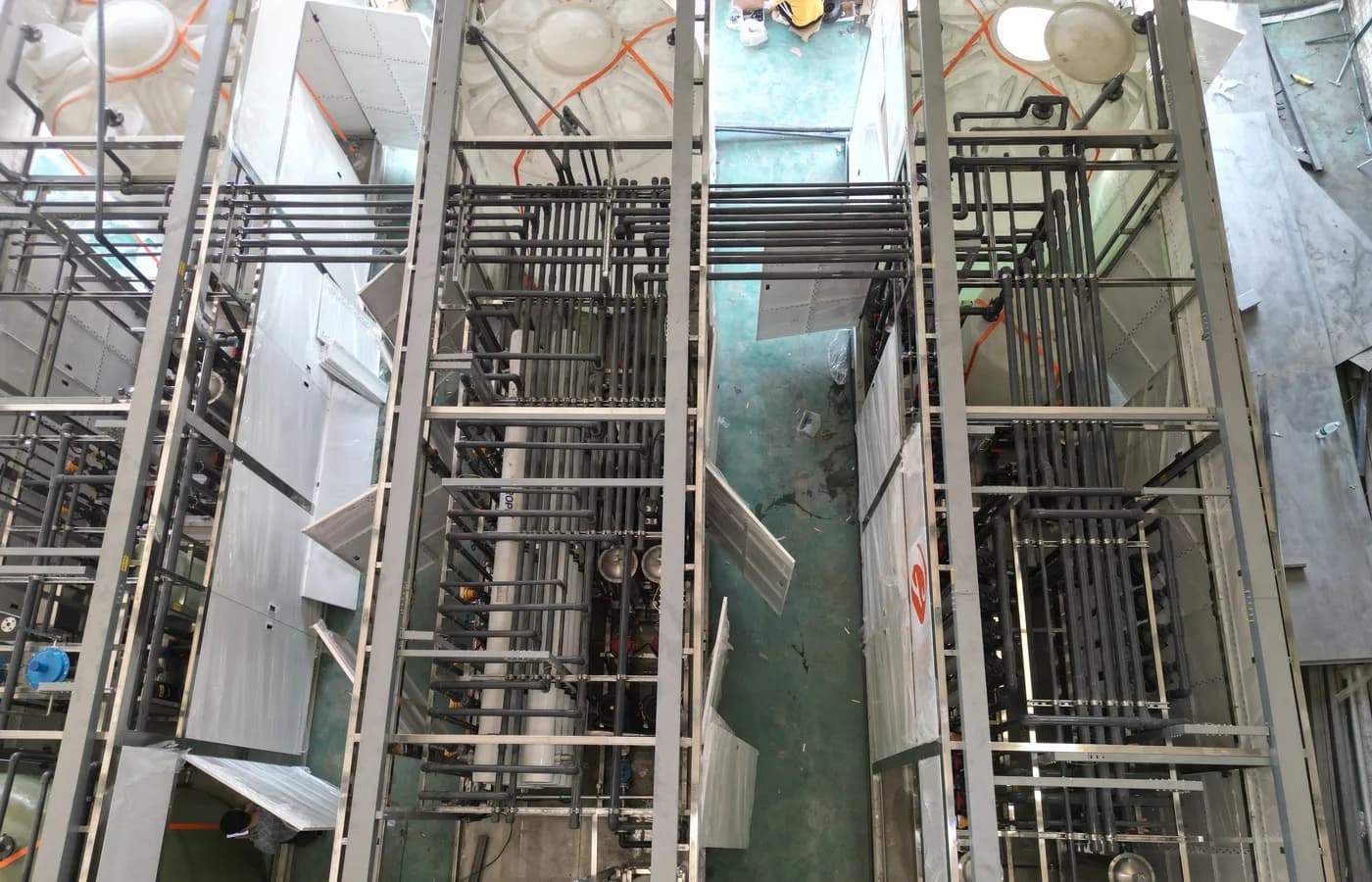
Industrial water-treatment piping and membrane equipment during factory assemblyReverse OsmosisOctober 13, 20269 min read

Dechlorination Before Industrial RO: Activated Carbon or Bisulfite Dosing?

Dechlorination should be specified as an oxidant-removal duty with measurable protection at the industrial RO inlet. Activated carbon and bisulfite dosing create different maintenance, monitoring and failure-management requirements. Select between them using the actual disinfectant species, feed-flow range, downstream membrane limits and the site's ability to operate the chosen barrier consistently.

Read Article
Industrial reverse osmosis treatment train under factory assemblyReverse OsmosisOctober 13, 20269 min read

Industrial RO Cartridge Filter Housings: Retention Rating, Pressure Drop and Service Access

A final cartridge filter is often a small item in an industrial RO quotation, yet its retention rating, pressure loss and sealing arrangement affect the protection available to the membrane train. Specify the cartridge and housing as one assembly. Include how operators detect restriction, replace cartridges and confirm the filter has returned to service correctly.

Read Article
Industrial water-treatment vessels and process piping for pure-water productionReverse OsmosisOctober 13, 20269 min read

Duplex Water Softeners Before Industrial RO: Capacity, Regeneration and Changeover

A duplex softener can maintain a softened-water supply while one vessel regenerates, provided the resin capacity, valve arrangement and regeneration time suit the real operating cycle. Specify the hardness duty and acceptable leakage first, then verify that the standby vessel is genuinely ready when changeover occurs. Two tanks alone do not establish continuous availability.

Read Article
PROJECT INQUIRY

Need a water treatment review?

Share the feed-water analysis, target quality and required capacity with our engineering team.

Start an Engineering Review Talk to an Engineer
Your privacy choices

We use necessary cookies to operate this website. Optional analytics or marketing tools are not loaded unless you choose to allow them.

Cookie Policy
WhatsApp