BHP INSIGHTS

Industrial Water Treatment Insights - Page 12

Popular searches:
ALL ARTICLES

Latest Insights

Explore technical guides, application knowledge and engineering considerations for industrial water treatment projects.

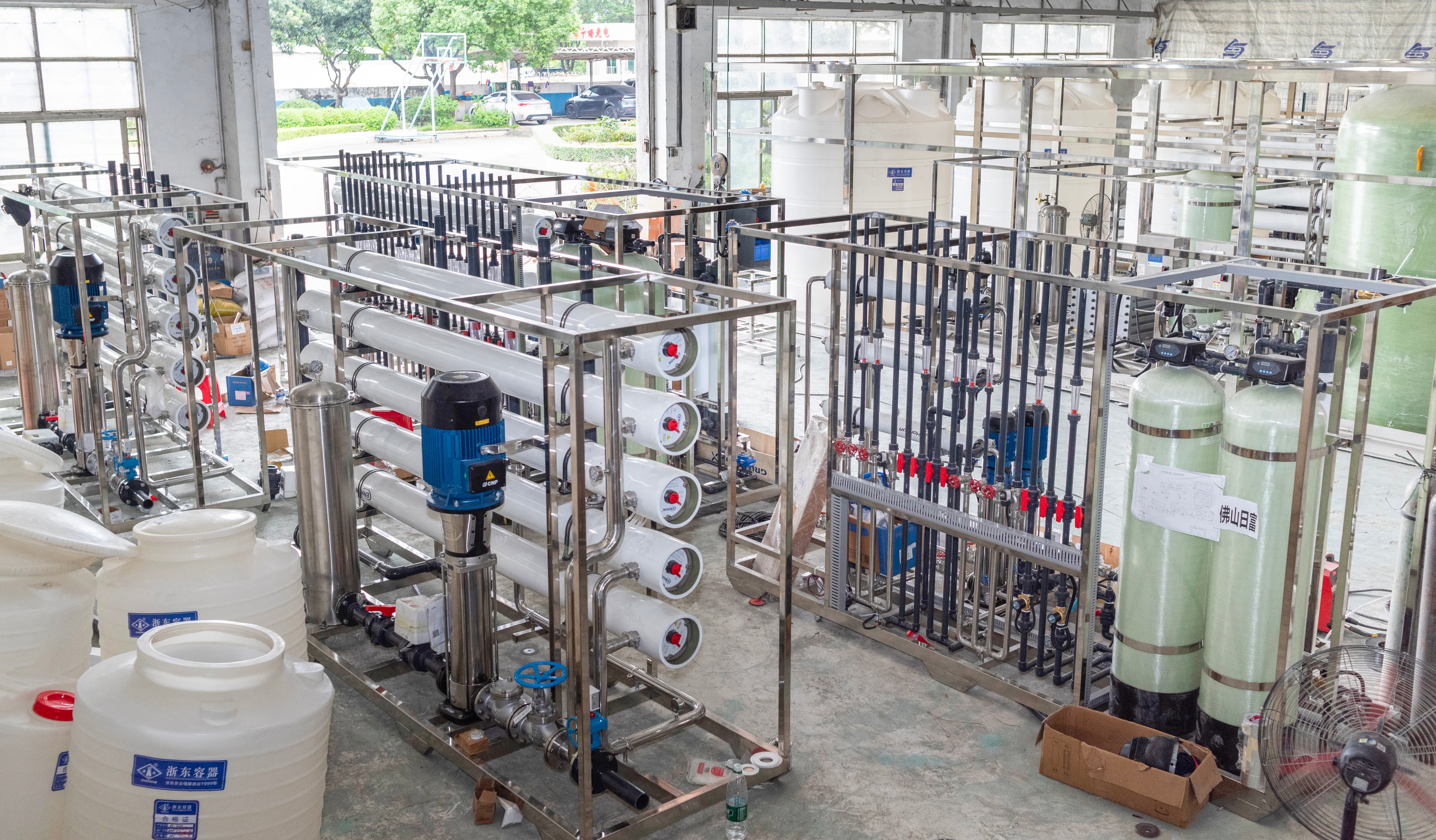
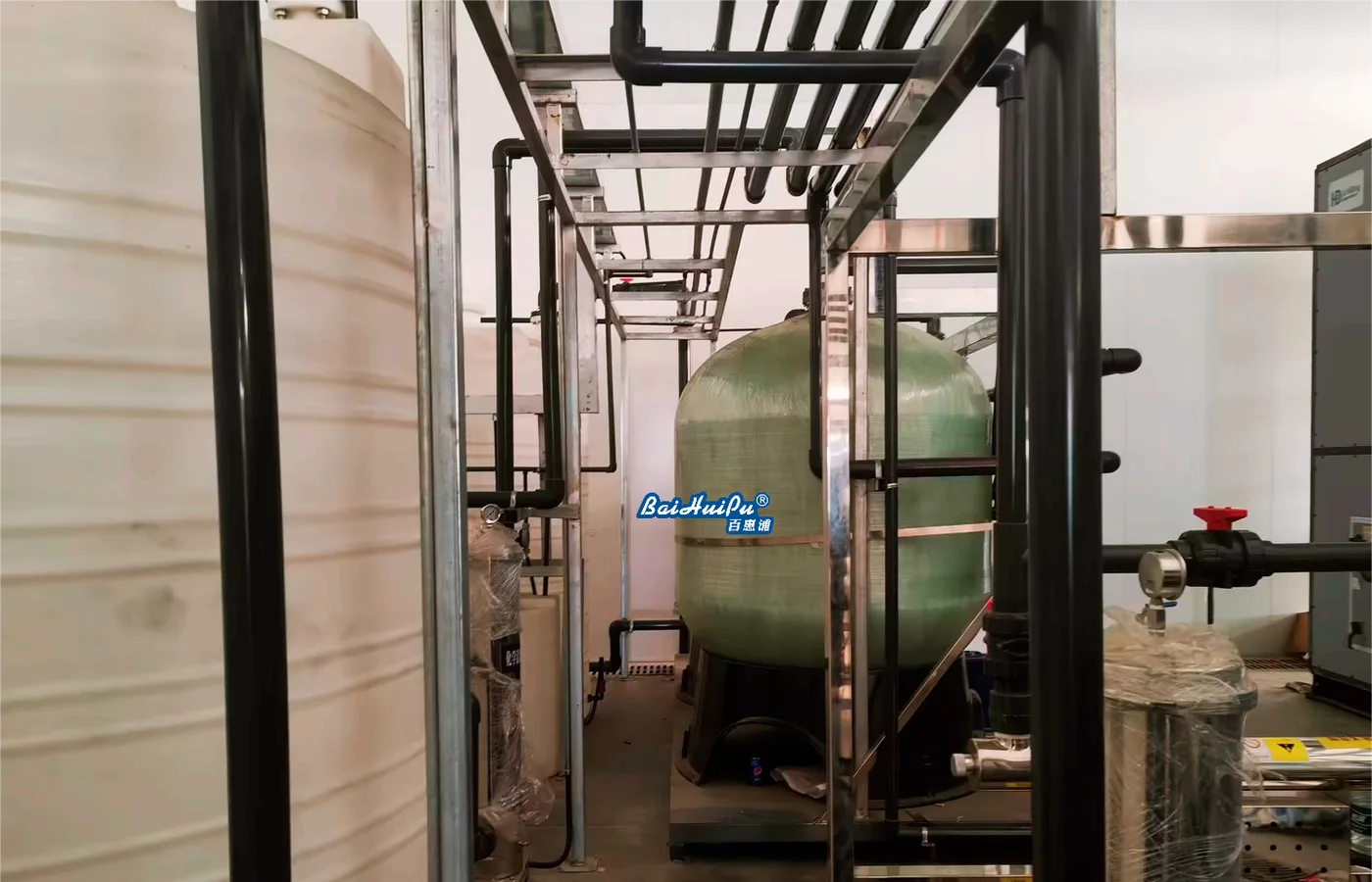
Industrial water-treatment vessels and process piping for pure-water productionWater ReuseOctober 19, 20268 min read

Chelating Resin for Industrial Wastewater Metals: Feed Speciation, Trials and Regeneration Scope

Chelating resin can be considered for selected dissolved-metal removal or recovery duties, but the right grade depends on the actual solution. Total metal concentration alone does not define resin suitability. Buyers need to understand metal form, competing substances, breakthrough behaviour and the destination of the regenerated metal before ordering a package.

Read Article
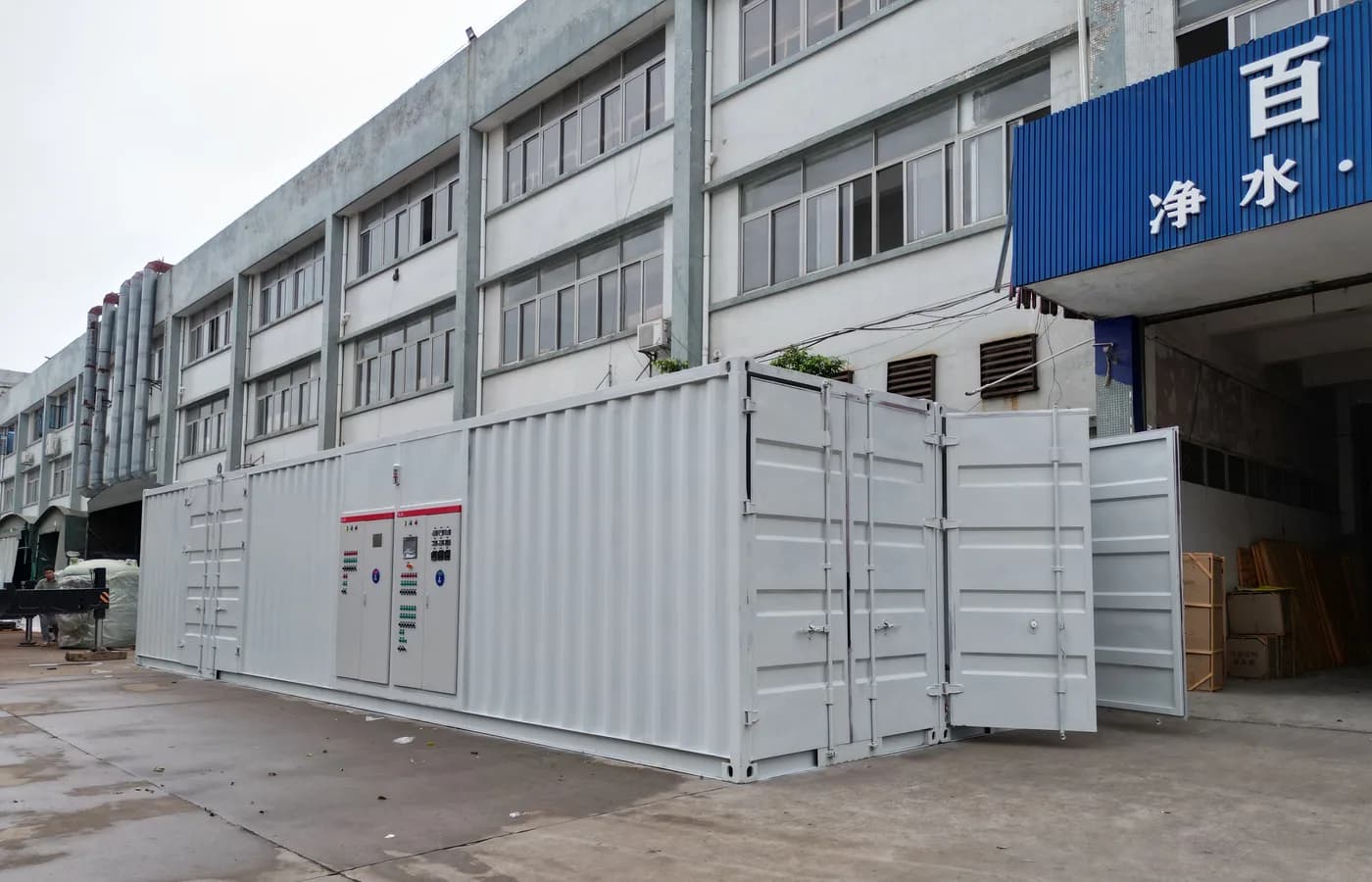
BHP industrial MVR wastewater evaporatorWater ReuseOctober 16, 20268 min read

MVR Evaporator Condensate Reuse: Carryover Control, Sampling and Polishing Scope

MVR evaporation can be part of an industrial wastewater recovery route, but collected condensate still needs a defined quality and reuse boundary. A low-conductivity reading alone does not establish suitability for the intended process. Specify how condensate is separated, sampled, assessed, polished where necessary and released under representative feed and operating conditions.

Read Article
BHP industrial wastewater treatment equipmentWater ReuseOctober 16, 20268 min read

Coalescing Oil-Water Separators for Industrial Wastewater: Feed Suitability and RFQ Boundaries

A coalescing oil-water separator can be considered for a suitable free-oil wastewater stream, but the equipment name does not establish suitability for every oily effluent. Procurement should begin with the oil state, water chemistry, solids and hydraulic profile. Representative testing and a clear separation boundary are more useful than an unsupported universal outlet concentration.

Read Article
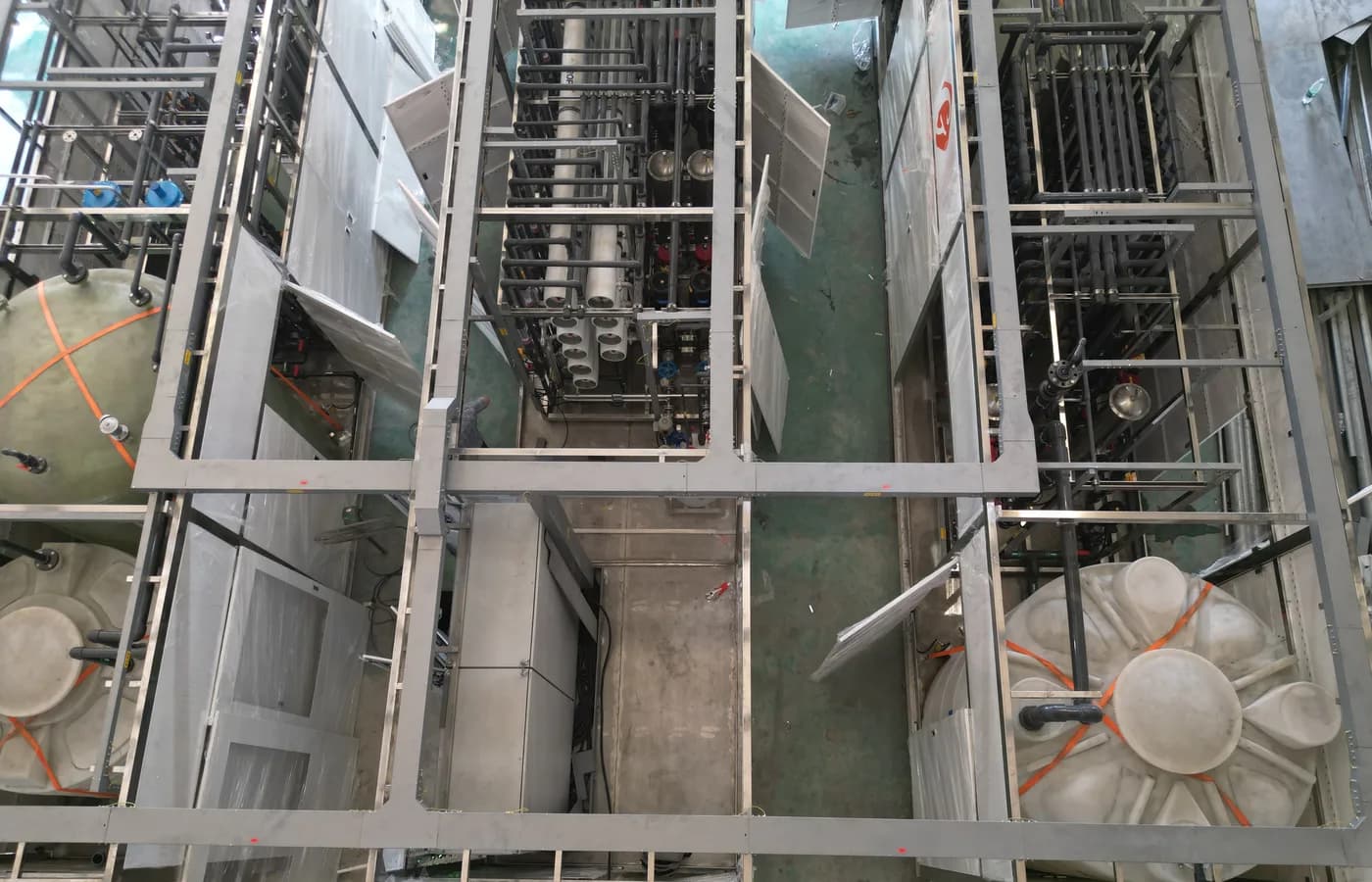
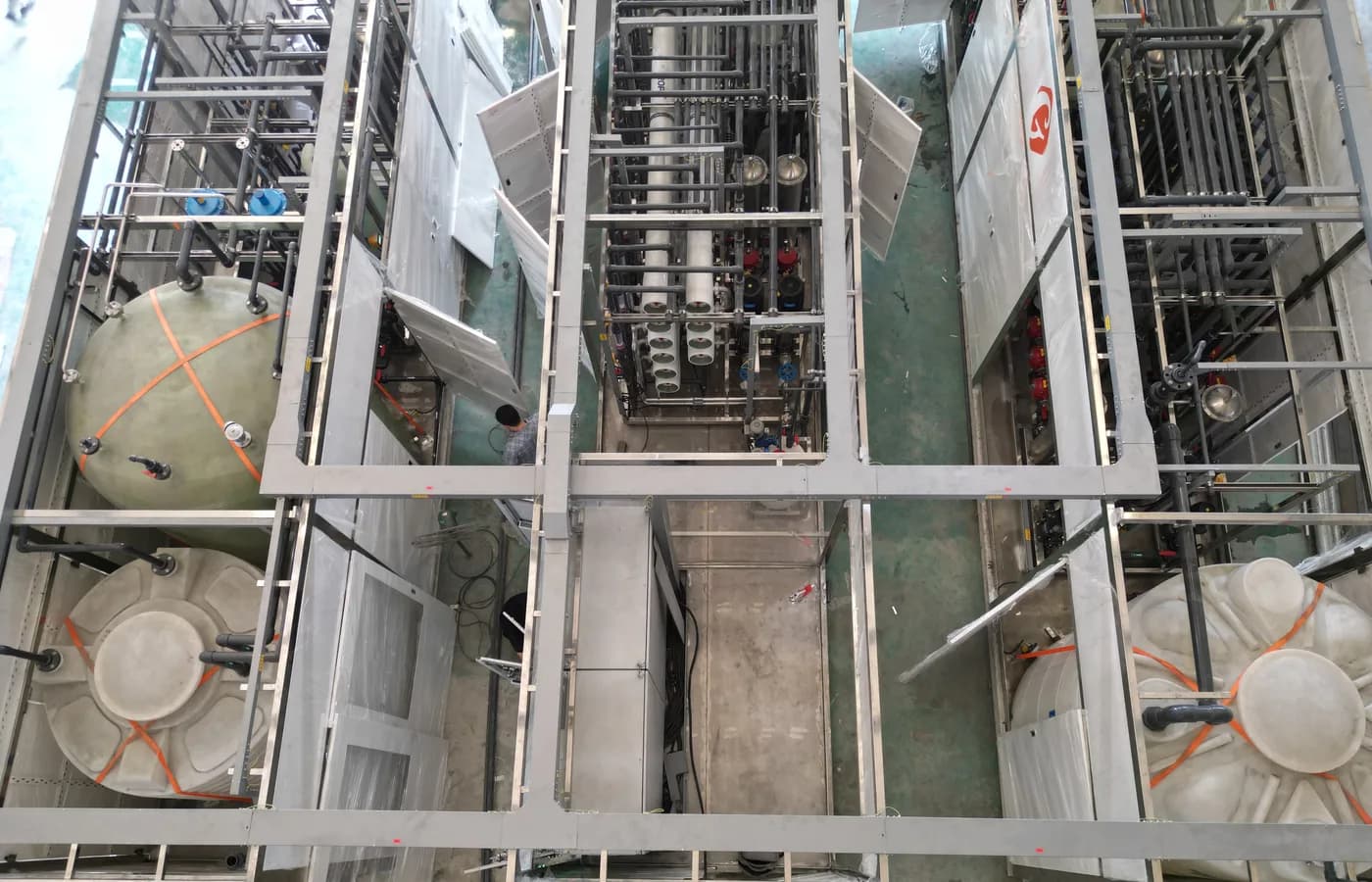
Industrial pure-water treatment train with process piping under factory assemblyReverse OsmosisOctober 16, 20268 min read

Heat Exchangers for Industrial RO Feed Water: Thermal Duty, Fouling and Utility Interfaces

Heating or cooling industrial RO feed water is a separate equipment duty with its own utility and operating constraints. The heat exchanger should be specified from the required membrane-feed temperature range, seasonal utility conditions and water chemistry. A nominal connection size or heat-transfer area does not establish that the complete package can hold the required operating condition.

Read Article
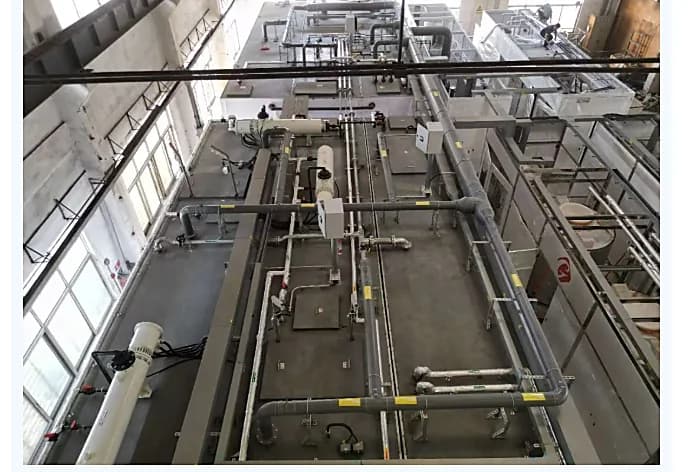
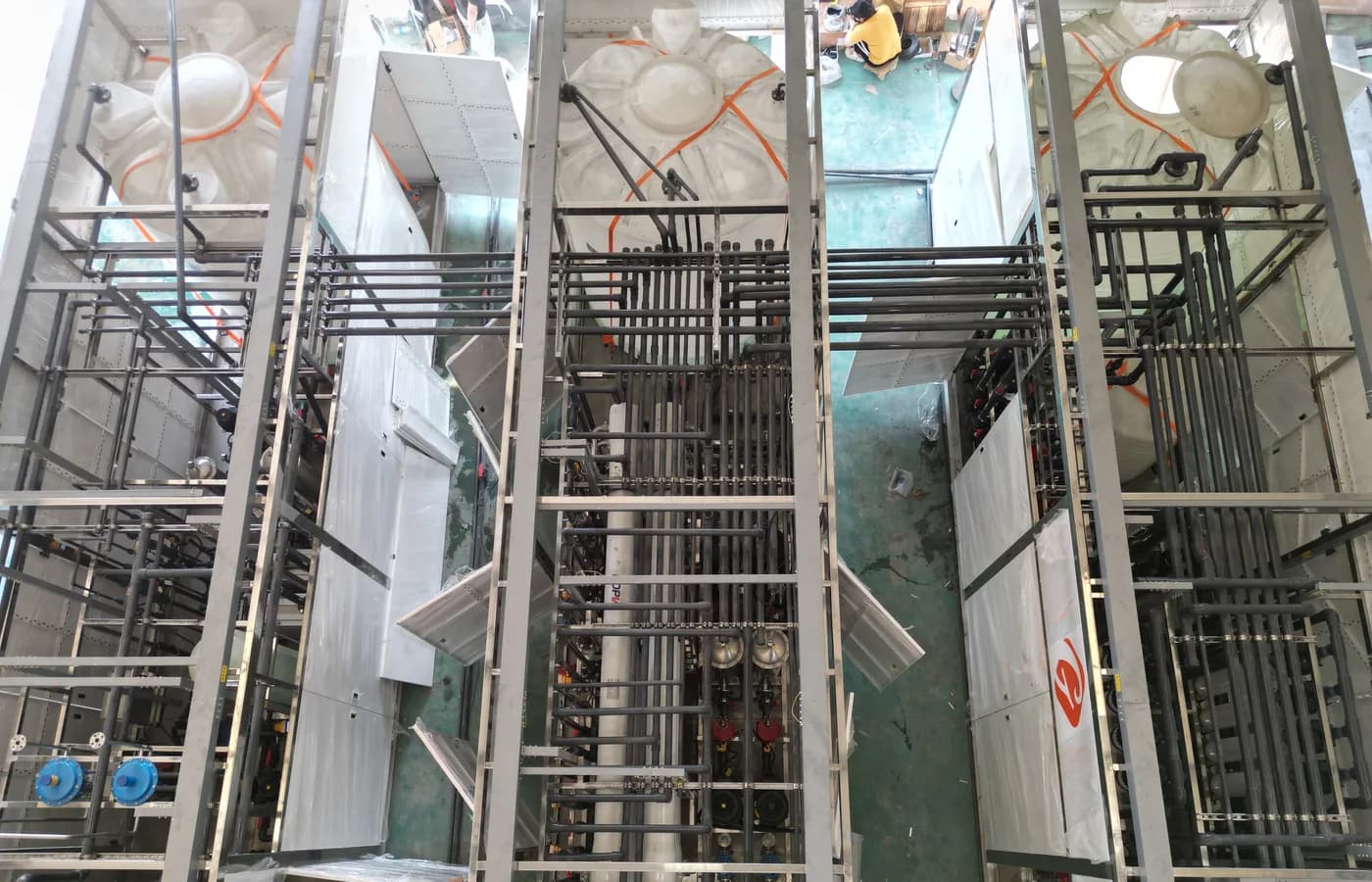
Industrial water treatment piping and process equipment under assemblyEngineering & ProcurementOctober 16, 20268 min read

Industrial Water Treatment Flowmeters: Measurement Principle, Installation and Acceptance

A water treatment flowmeter should be selected from the liquid, operating range and installation conditions at its actual measuring point. Matching the pipe connection alone is insufficient. An effective specification links the measuring principle, hydraulic arrangement, signal quality and acceptance evidence to the operating decision the instrument must support.

Read Article
Industrial reverse osmosis equipment and membrane train for process-water productionEngineering & ProcurementOctober 15, 20269 min read

Industrial RO Shutdown and Membrane Preservation: Layup Scope and Restart Evidence

Industrial RO shutdown planning should define what protects the membranes while the plant is inactive and what evidence permits a restart. An outage date alone is not a preservation specification. Establish the membrane condition, approved layup method, monitoring duties and restart sequence before maintenance, seasonal shutdown or delayed commissioning leaves the system unattended.

Read Article
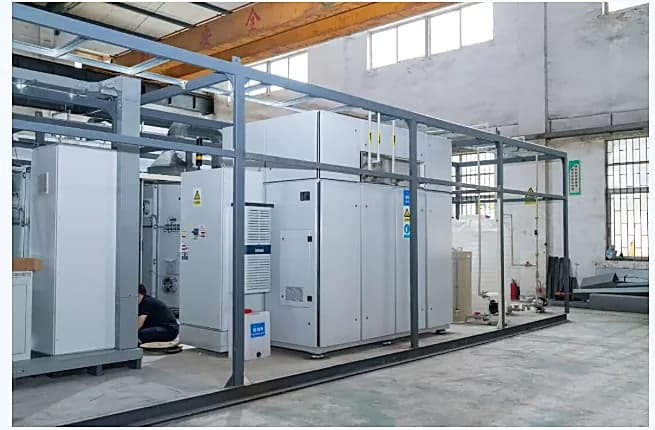
High-purity water treatment equipment with tanks, piping and control panelUltrapure WaterOctober 15, 20268 min read

Online TOC Analyzers for Industrial Pure Water: Method Selection and Sample-System Design

An online TOC analyzer can reveal organic-carbon changes that conductivity alone does not describe. For industrial pure water, its usefulness depends on the analytical method and the sample arriving at the instrument. Compare complete measurement systems, including sampling, response, verification and maintenance, rather than buying only a low detection-limit specification.

Read Article
PROJECT INQUIRY

Need a water treatment review?

Share the feed-water analysis, target quality and required capacity with our engineering team.

Start an Engineering Review Talk to an Engineer
Your privacy choices

We use necessary cookies to operate this website. Optional analytics or marketing tools are not loaded unless you choose to allow them.

Cookie Policy
WhatsApp